
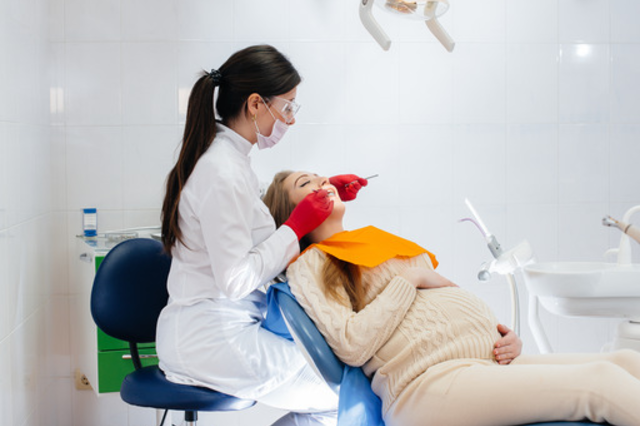
Pregnancy is a beautiful journey, but it also brings changes to your body that can impact your oral health. Hormonal fluctuations during pregnancy can make you more susceptible to dental issues like gum disease and cavities. Maintaining proper dental care during this time is not only safe but essential for both your health and your baby’s well-being. This guide will cover the best practices to ensure your smile stays healthy throughout pregnancy.
The Importance of Oral Health During Pregnancy
Oral health plays a significant role in overall health, and this connection becomes even more vital during pregnancy. Conditions like gingivitis, which affects up to 75% of pregnant women, can progress to periodontitis if left untreated, potentially leading to complications like preterm birth and low birth weight. By adopting safe dental practices, you can minimize these risks and maintain a healthy pregnancy.

Safe Dental Practices for Expecting Mothers
- Prioritize Regular Dental Checkups
Routine dental visits are crucial during pregnancy. Inform your dentist about your pregnancy so they can tailor your care accordingly. Most dental procedures, including cleanings and cavity fillings, are safe during pregnancy, particularly during the second trimester. However, elective treatments should be postponed until after delivery. - Maintain a Strict Oral Hygiene Routine
Brushing twice a day with fluoride toothpaste and flossing daily are essential steps in preventing plaque buildup. Hormonal changes can make your gums more sensitive, so use a soft-bristled toothbrush to avoid irritation. - Watch Out for Pregnancy Gingivitis
Pregnancy gingivitis, characterized by red, swollen, or bleeding gums, is common. Combat this by being consistent with your oral hygiene and scheduling regular professional cleanings. - Be Mindful of Morning Sickness
If morning sickness causes frequent vomiting, the stomach acid can erode your tooth enamel. Rinse your mouth with a mixture of water and baking soda after vomiting to neutralize the acid. Avoid brushing immediately, as this can cause further enamel damage. - Eat a Balanced Diet
Your baby’s teeth start developing around the third month of pregnancy. Consuming foods rich in calcium, phosphorus, and vitamins A, C, and D supports this process. Avoid sugary snacks to minimize the risk of cavities. - Manage Cravings Wisely
It’s natural to experience cravings during pregnancy, but indulging in too many sugary or acidic foods can harm your teeth. Opt for healthy alternatives like fresh fruits, nuts, or yogurt to satisfy your cravings without compromising your oral health. - Avoid Harmful Substances
Smoking and excessive alcohol consumption are harmful to both you and your baby. Additionally, some dental products may contain ingredients that are not recommended during pregnancy. Always check labels and consult your dentist if you’re unsure. - Discuss Necessary Treatments with Your Dentist
If you need urgent dental treatments, such as for infections or pain relief, rest assured that many procedures are safe during pregnancy. X-rays, for example, can be performed with proper shielding. Always communicate openly with your dentist about any concerns.
Addressing Dental Emergencies During Pregnancy
Dental emergencies can happen at any time, even during pregnancy. Severe tooth pain, swelling, or bleeding gums should not be ignored. If you experience any of these symptoms, contact a dental professional immediately. For those in Arizona, the Surprise Dentist provides compassionate care tailored to meet the unique needs of expectant mothers.
Postpartum Oral Care Tips
Caring for your oral health doesn’t stop after delivery. Postpartum gum disease is a possibility, especially if you experienced dental issues during pregnancy. Keep up with your hygiene routine and schedule a dental checkup within the first six months after giving birth.
Final Thoughts
Maintaining good oral health during pregnancy is crucial for your overall well-being and your baby’s development. By following these safe dental practices, you can reduce the risk of complications and enjoy a healthy smile throughout this special time. Always consult your dentist if you have questions or concerns, and don’t hesitate to seek professional care when needed.