
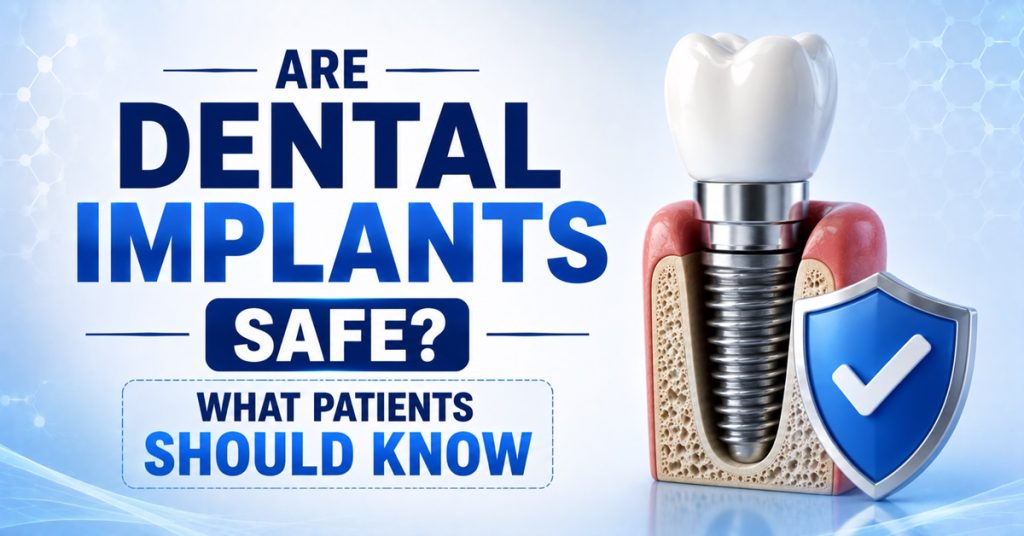
Dental implants are widely used to replace missing teeth and restore chewing, speech, bite function, and smile appearance. Patients often ask whether surgery, implant materials, healing, or long term maintenance could create health concerns. Our team explains the benefits, possible risks, and safety steps before treatment begins.
Patients considering Cosmetic Dentistry in Surprise, AZ may ask, are dental implants safe for long term tooth replacement. Dental implants are medical devices placed into the jawbone to support crowns, bridges, or dentures. Most implant systems use materials such as titanium or zirconia that are selected for biocompatibility and strength.
Why Are Dental Implants Considered Safe?
Dental implant treatment includes planning, surgical care, healing, and regular maintenance. A Dentist Surprise AZ can review oral health, gum condition, jawbone volume, medical history, medications, and lifestyle habits before treatment.
A complete evaluation helps identify factors that may raise the chance of complications. Healthy gums, sufficient bone, controlled health conditions, good oral hygiene, and regular dental visits support safer healing and long term implant function.
What Are the Possible Risks?
Dental implants have a strong safety record, yet no surgical treatment is free from risk. Possible concerns include:
- Infection: Bacteria around the implant or surgical area can affect healing and may require dental treatment.
- Implant failure: An implant can become loose or fail to bond with the surrounding bone. Smoking, poor healing, infection, and some health conditions can raise this risk.
- Nerve irritation: An implant placed near a nerve can cause temporary or lasting numbness, tingling, or altered sensation in uncommon cases.
- Sinus concerns: Implants placed in the upper back jaw may be close to the sinus. Careful imaging and planning help reduce the chance of sinus complications.
- Gum inflammation: Plaque around an implant can irritate the surrounding gums and supporting tissues. Regular cleaning and dental visits help protect implant health.
Who May Need Extra Planning?
Some patients may need additional evaluation before implant surgery.
Patients With Bone Loss
Jawbone loss can leave limited space for implant support. Bone grafting or another bone-building procedure may be recommended before implant placement.
Patients With Gum Disease
Active gum disease can affect the tissues that support natural teeth and implants. Gum health may need to be brought under control before implant treatment.
Patients Who Smoke
Smoking can slow healing and may reduce long term implant success. Our team can discuss tobacco cessation support before surgery.
Patients With Certain Health Conditions
Conditions that affect healing or infection control may change treatment planning. A complete medical history allows the dental team to select appropriate care and timing.
How Can Patients Protect Dental Implants?
Long term implant health depends on daily care and regular dental monitoring.
- Brush twice daily: Gentle brushing removes plaque from teeth, gums, and implant restorations.
- Clean between teeth: Floss, interdental brushes, or other recommended tools can help clean areas around implants.
- Attend dental visits: Routine examinations help identify gum inflammation, bite changes, or implant concerns at an early stage.
- Avoid tobacco: Tobacco use can interfere with healing and raise the risk of implant complications.
- Report changes quickly: Pain, swelling, bleeding, looseness, or changes in bite should be reported to the dental team.
What Makes Implant Planning Safer?
Safe implant care starts before surgery. Dental imaging helps evaluate bone height, bone width, nerve locations, sinus anatomy, and implant positioning.
The dental team can then select an implant size, location, restoration type, and surgical approach that fits the patient’s oral condition. Clear aftercare instructions and follow-up visits support healing and help maintain the implant over time.
A Confident Step Toward Tooth Replacement
For many patients, dental implants offer a dependable way to replace missing teeth. Safety depends on careful patient selection, accurate planning, healthy gums, suitable bone support, skilled surgical care, and consistent home maintenance.
Our team at Surprise Dental can review each patient’s dental and health history and explain the benefits, risks, and available alternatives. Patients with missing teeth are welcome to schedule an implant consultation to learn whether implant treatment fits their oral health needs.