
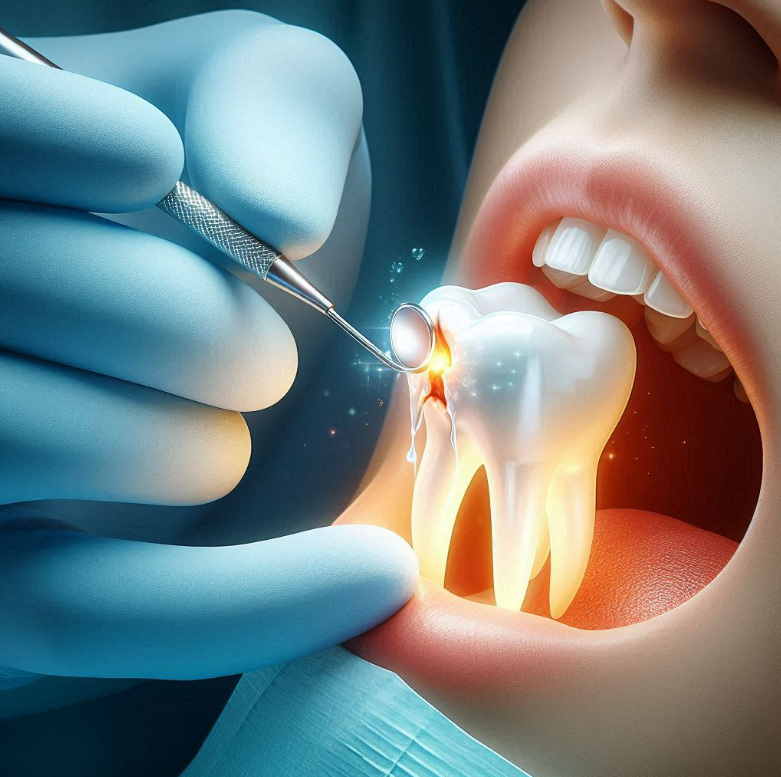
Cavities are one of the most common dental issues people experience, yet they’re often ignored, especially if there’s no immediate pain. Many patients even wonder how long can a cavity go untreated, but the reality is that leaving cavities unaddressed can result in more severe dental problems, potentially requiring more invasive and costly procedures. So, how long can you leave a cavity untreated before it leads to serious complications? In this blog post, we’ll explore the stages of cavity development, the risks of untreated cavities, and how you can protect your oral health with the help of Dentistry in Surprise AZ.
What is a Cavity?
A cavity, also known as tooth decay or dental caries, is a permanently damaged area in the hard surface of your teeth that develops into tiny openings or holes. They occur when plaque, a sticky film of bacteria, builds up on your teeth. The bacteria in plaque produce acids that erode tooth enamel, eventually creating cavities.
How Long Can a Cavity Be Left Untreated?
The time it takes for a cavity to worsen depends on several factors, including:
- Your Oral Hygiene: People with good oral hygiene habits might slow down the progression of cavities.
- Diet: High sugar and acidic diets can accelerate decay.
- Saliva Production: Saliva helps neutralize acids, so people with dry mouths may see cavities worsen more quickly.
On average, it can take months or even years for a cavity to grow, but once a cavity forms, it doesn’t go away on its own. The progression of decay can lead to severe oral health problems over time.
Here’s a rough timeline of how a cavity can progress if left untreated:
Stages of Cavity Development
As the decay progresses, it moves beyond the enamel into the dentin layer beneath, which is softer and more vulnerable to damage. When the dentin is exposed, the patient may begin to experience sensitivity to hot, cold, or sweet foods and beverages. Pain at this stage is intermittent and might be easy to ignore, leading some to delay seeking treatment.
- Initial Stage: Demineralization (First Few Months)
- In the earliest stages, you may not even notice that a cavity is forming. The enamel begins to lose minerals, leading to white spots on the tooth surface. During this phase, you might be able to reverse the damage with fluoride treatments and better oral care.
- Enamel Decay (6 Months – 1 Year)
- As the enamel continues to break down, the cavity begins to penetrate deeper into the tooth. At this stage, you might experience slight sensitivity to hot or cold foods and drinks. Dental fillings are typically required to stop the progression.
- Dentin Decay (1 Year – 2 Years)
- If left untreated, the cavity reaches the dentin layer, which is softer and more prone to decay. At this point, you may feel more significant discomfort. Without treatment, the damage will continue to worsen, often requiring more invasive procedures like crowns.
- Pulp Damage and Infection (2+ Years)
- If the decay progresses into the inner layer of the tooth (the pulp), you may experience intense pain, and the tooth could become infected. A root canal may be necessary to remove the infected tissue. Delaying treatment can lead to tooth abscesses or loss.
- Tooth Loss and Further Complications
- Eventually, if no treatment is administered, the infection can spread to other areas of the mouth, potentially causing gum disease, bone loss, or even systemic health issues like cardiovascular disease.
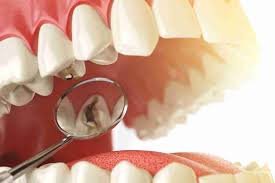
Risks of Leaving a Cavity Untreated
Ignoring a cavity for too long can lead to various complications, such as:
- Increased Pain: As the decay progresses, what was once a mild sensitivity could turn into sharp pain, especially when eating or drinking.
- Infections and Abscesses: Untreated cavities can lead to painful infections. These infections can form abscesses, which are pockets of pus that may require antibiotics or surgery to treat.
- Tooth Loss: In severe cases, the tooth may be damaged beyond repair, requiring extraction.
- Costly Treatments: Treating a cavity early with a simple filling is much more affordable than advanced treatments like root canals, crowns, or extractions.
- Impact on Overall Health: Studies suggest that poor oral health, including untreated cavities, can be linked to other health conditions like heart disease, diabetes, and respiratory infections.
Signs You Should See a Dentist
If you’re experiencing any of the following symptoms, it’s time to schedule a visit to the dentist:
- Sensitivity to hot, cold, or sweet foods and beverages
- Visible holes or pits in your teeth
- Dark spots or stains on the surface of your teeth
- Persistent bad breath or bad taste in your mouth
- Toothache or pain when biting down
The earlier you address a cavity, the less invasive and less expensive the treatment will be.
How to Prevent Cavities
Cavities can often be avoided with good oral hygiene and regular dental care. Here are some tips to prevent tooth decay:
- Brush Twice a Day: Use fluoride toothpaste to help strengthen enamel.
- Floss Daily: Flossing removes food particles and plaque between your teeth where your toothbrush can’t reach.
- Limit Sugary Foods and Drinks: Reduce your intake of sugary snacks and beverages that feed the bacteria responsible for tooth decay.
- Visit Your Dentist Regularly: Regular check-ups can catch cavities in their early stages before they become a serious problem.
- Use Mouthwash: An antiseptic or fluoride mouthwash can add an extra layer of protection.
Conclusion
While it might be tempting to ignore a small cavity, doing so can lead to more severe dental issues down the road. The timeline for how long you can leave a cavity untreated varies from person to person, but the earlier you catch it, the better your outcome will be.
Regular dental visits, good oral hygiene, and a healthy diet are your best defenses against cavities. If you think you might have a cavity, don’t wait, schedule an appointment with your dentist today.