
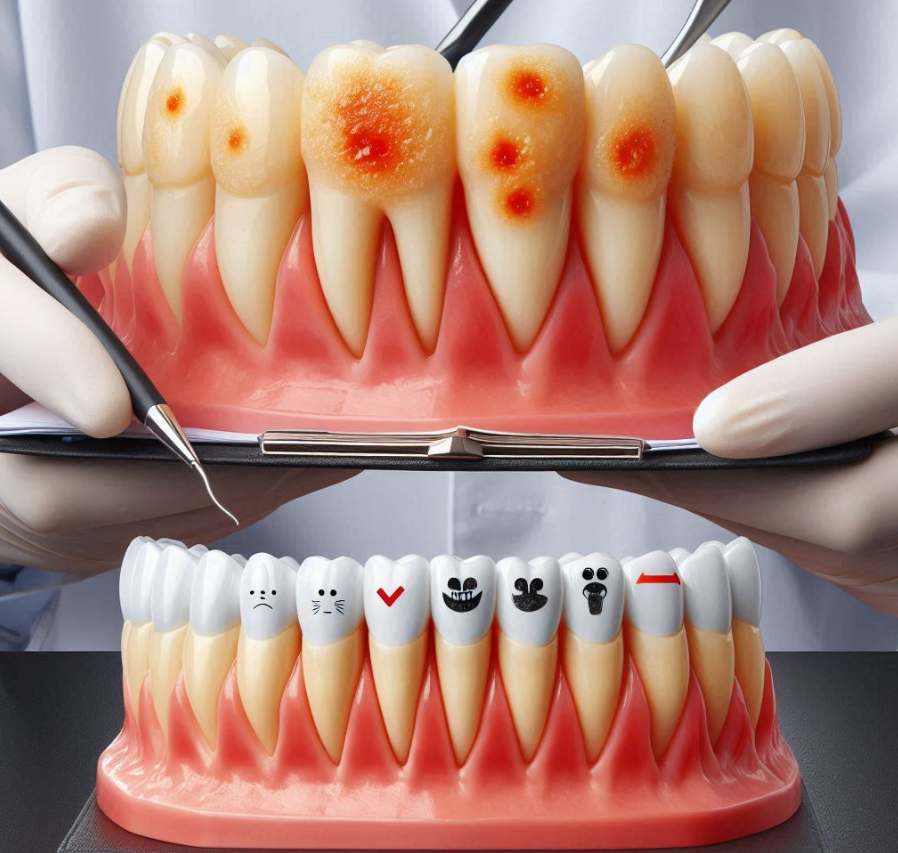
Dental health plays a significant role in our overall well-being, and one of the most common issues affecting it is dental plaque. Many people are familiar with the term “plaque” but may not fully understand what it is, how it forms, or the impact it has on oral health. In this blog post, we will dive into the facts about dental plaque, discussing its causes, effects, and prevention strategies to help you maintain a healthy, vibrant smile.
What Is a Dental Plaque?
Dental plaque is a soft, sticky film that accumulates on the surfaces of your teeth throughout the day. It consists primarily of bacteria, food particles, and saliva. While it might not be visible to the naked eye at first, over time, if not removed, plaque can harden into tartar (or calculus), which is much more difficult to eliminate without professional dental cleaning.
Key Components of Dental Plaque:
- Bacteria: Plaque harbors millions of bacteria that feed on sugars from food and drinks.
- Saliva: Saliva provides moisture and nutrients for bacteria to thrive.
- Food particles: Especially sugars and starches that fuel the bacterial growth.
How Does Dental Plaque Form?
Plaque begins forming as soon as you eat or drink something sugary or starchy. Bacteria present in your mouth feed on these sugars, producing acids in the process. These acids mix with food debris and saliva, creating a film that coats your teeth.
Within just 20 minutes after eating, plaque can start to build up. If not removed through regular brushing and flossing, it continues to grow, which increases the risk of oral health problems such as cavities, gum disease, and even bad breath.
Stages of Plaque Formation:
- Initial Buildup: After meals, bacteria break down sugars, creating acids that form the sticky plaque layer.
- Tartar Formation: Over time, if not properly cleaned, plaque hardens into tartar, often accumulating at the gum line.
- Progression to Cavities and Gum Disease: Prolonged exposure to plaque acids can erode enamel and lead to gum inflammation, contributing to serious dental issues.
The Effects of Dental Plaque
Neglecting proper dental hygiene can lead to several adverse effects due to plaque buildup. These include:
1. Tooth Decay (Cavities)
As plaque bacteria feed on sugars, they produce acids that attack your tooth enamel. If not addressed, this can result in cavities, which require fillings to repair. Left untreated, cavities may progress to deeper layers of the tooth, causing pain and infection.
2. Gingivitis (Early Gum Disease)
Plaque that accumulates along the gum line can irritate and inflame the gums, leading to gingivitis. Common symptoms include red, swollen gums that may bleed when brushing or flossing. Gingivitis is reversible with proper care, but if left untreated, it can advance to periodontitis, a more severe form of gum disease.
3. Tartar Buildup
Once plaque hardens into tartar, it becomes much more difficult to remove and requires professional dental cleaning. Tartar can worsen gum irritation, promote bacterial growth, and contribute to gum disease.
4. Bad Breath
The bacteria in plaque produce foul-smelling compounds, which can lead to persistent bad breath (halitosis). Proper oral hygiene helps reduce the likelihood of bad breath by removing plaque buildup.
5. Tooth Loss
In severe cases, untreated plaque can lead to periodontitis, a condition where the gums pull away from the teeth, creating pockets that become infected. This can ultimately result in tooth loss if the supporting structures around the tooth become too damaged.
How to Prevent Dental Plaque
Fortunately, preventing dental plaque is entirely possible with a few simple yet effective steps. According to Surprise Dentist, consistency is key in maintaining healthy teeth and gums. By following a regular oral care routine, you can keep your smile in great shape.
1. Brush Your Teeth Twice a Day
The American Dental Association (ADA) recommends brushing at least twice a day using a fluoride toothpaste. Be sure to brush for at least two minutes and use a toothbrush with soft bristles to avoid damaging your enamel and gums.
2. Floss Daily
Flossing helps remove food particles and plaque from between your teeth and along the gum line, areas that brushing alone can’t always reach.
3. Use Mouthwash
An antimicrobial or fluoride mouthwash can help reduce plaque buildup, strengthen enamel, and fight bad breath. It’s an excellent addition to your oral care routine.
4. Limit Sugary and Starchy Foods
Since plaque bacteria feed on sugars and starches, reducing your consumption of sugary snacks, sodas, and processed foods can significantly reduce plaque formation.
5. Regular Dental Checkups
Seeing your dentist every six months for a professional cleaning and examination can help detect and address any plaque buildup or oral health issues early on. Tartar, in particular, needs to be removed by dental professionals.
6. Drink Plenty of Water
Water helps wash away food particles and sugars that can contribute to plaque buildup. Drinking water throughout the day also stimulates saliva production, which naturally helps keep your mouth clean.
FAQs About Dental Plaque
- Is plaque the same as tartar? No, plaque is a soft film that forms on teeth, while tartar is hardened plaque that has bonded to the tooth surface. Tartar requires professional removal by a dentist or hygienist.
- Can plaque cause gum disease? Yes, if not removed, plaque can lead to gum disease. Gingivitis, the earliest form, occurs when plaque irritates the gums, and if left untreated, it can develop into periodontitis, a more severe condition.
- How can I tell if I have plaque? Plaque is not always visible, but you may feel a fuzzy coating on your teeth, especially after eating. Tartar, however, is easier to spot because it appears as yellow or brown deposits on the teeth.
- Can children get dental plaque? Yes, children can develop plaque just like adults. Teaching them proper oral hygiene habits early on is essential for preventing cavities and other dental issues.
Conclusion
Dental plaque may be a common problem, but it’s entirely preventable with consistent oral hygiene practices. By brushing and flossing daily, maintaining a balanced diet, and visiting your dentist regularly, you can keep plaque at bay and ensure the long-term health of your teeth and gums. Don’t let plaque lead to more serious dental issues , start taking proactive steps to protect your smile today.