
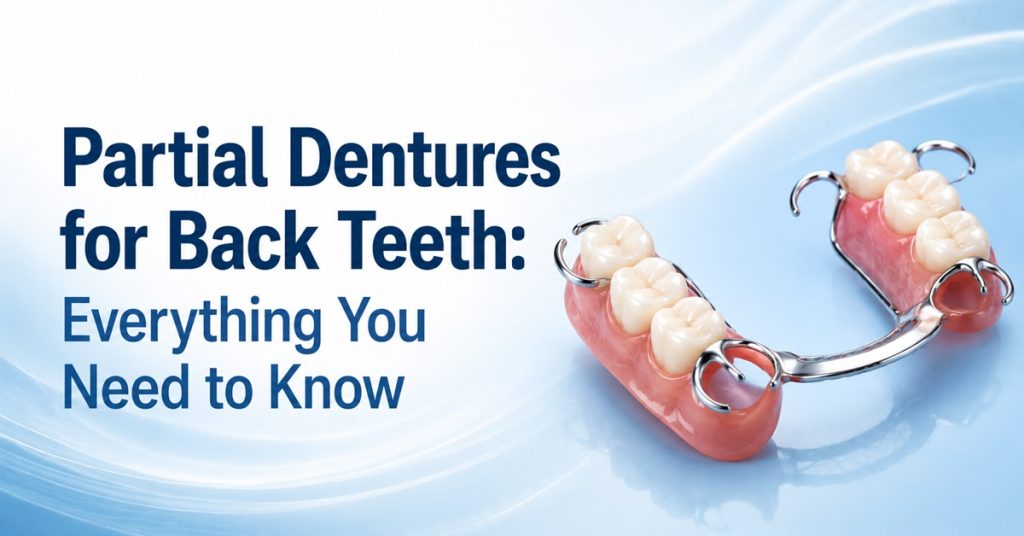
Missing back teeth can create challenges that many people do not expect. Even though these teeth are not always visible when smiling, they play a major role in chewing, bite balance, jaw support, and overall oral health. Many patients feel frustrated when eating becomes difficult or when nearby teeth begin shifting into empty spaces.
At Surprise Dental, our goal is to help patients understand every available treatment option. Through Restorative Dentistry in Surprise, AZ, patients can restore missing teeth, improve bite function, and regain confidence in daily activities. A personalized treatment plan can make a significant difference in comfort and quality of life.
Back teeth handle much of the force generated during chewing. When molars or premolars are missing, the remaining teeth often carry extra pressure. Over time, this can affect bite alignment, chewing efficiency, and oral wellness.
Many patients ask whether replacing missing back teeth is truly necessary. A consultation with a Dentist Surprise can help answer that question and identify the most appropriate solution based on individual needs.
What Are Partial Dentures for Back Teeth?
Partial dentures for back teeth are custom dental appliances designed to replace one or more missing molars or premolars. These removable restorations fit alongside natural teeth and fill gaps in the smile.
Unlike full dentures, partial dentures are used when healthy natural teeth remain. They help restore chewing function, maintain alignment, and support overall dental health.
Patients often choose this treatment when they want an effective solution that restores function without replacing an entire arch of teeth.
Can You Get Partial Dentures for Back Teeth?
One of the most common questions patients ask is, can you get partial dentures for back teeth?
The answer is yes. Partial dentures are frequently recommended for individuals who have lost one or several back teeth. These restorations are carefully designed to fit comfortably and securely within the mouth.
When back teeth are missing, neighboring teeth may begin drifting toward the empty space. Replacing those teeth can help maintain proper spacing, improve bite balance, and support long term oral health.
The exact design depends on factors such as:
- Number of missing teeth.
- Location of missing teeth.
- Condition of remaining teeth.
- Gum health.
- Bite alignment.
A personalized evaluation helps determine the most suitable approach.
Why Are Back Teeth Important?
Many people focus on front teeth when thinking about their smile. Back teeth play an equally important role in oral function.
Chewing Efficiency
Molars and premolars break down food into smaller pieces before swallowing. Missing these teeth can make eating certain foods more difficult.
Bite Stability
Back teeth support proper contact between the upper and lower arches. Missing teeth can create uneven bite forces throughout the mouth.
Tooth Alignment
Empty spaces often allow neighboring teeth to shift. This movement can affect alignment and contribute to bite problems.
Jaw Support
A balanced bite helps distribute chewing forces throughout the mouth. Replacing missing teeth helps support healthy oral function.
Types of Partial Dentures for Back Teeth
Several treatment options are available depending on the patient’s needs.
Acrylic Partial Dentures
These dentures use an acrylic base that supports replacement teeth.
Benefits
- Often selected as an economical treatment option.
- Useful as a temporary tooth replacement solution.
- Can restore chewing function relatively quickly.
Considerations
- Bulkier than some alternatives.
- May require adjustments over time.
Cast Metal Partial Dentures
These dentures use a metal framework combined with replacement teeth.
Benefits
- Strong and durable design.
- Thinner structure for improved comfort.
- Excellent stability and retention.
Considerations
- Higher initial cost compared with acrylic options.
Flexible Partial Dentures
Flexible materials create a lightweight and comfortable appliance.
Benefits
- Improved flexibility.
- Natural appearance.
- Comfortable fit for many patients.
Considerations
- Not suitable for every clinical situation.
Partial Dentures for Back Teeth on One Side
Some patients lose teeth only on one side of the mouth. In these situations, partial dentures for back teeth on one side may be recommended.
This type of restoration is designed to fill gaps located in a specific area rather than replacing teeth throughout the arch.
Benefits
- Restores chewing ability on the affected side.
- Helps maintain bite balance.
- Supports proper spacing between teeth.
- Improves comfort during meals.
Patients often notice improved function once missing teeth are replaced and bite forces become more evenly distributed.
Partial Dentures for Upper Back Teeth
Missing upper molars can affect chewing and bite support. Partial dentures for upper back teeth are custom designed to restore these missing teeth and improve daily function.
Benefits
- Improved chewing performance.
- Better distribution of bite pressure.
- Enhanced oral function.
- Restoration of missing tooth spaces.
Many patients appreciate the renewed ability to enjoy foods that previously felt difficult to chew.
Benefits of Partial Dentures for Back Teeth
Improved Chewing Function
One of the primary advantages involves restoring chewing ability. Replacing missing molars allows food to be processed more effectively.
Better Bite Balance
Balanced chewing forces help protect remaining teeth from excessive pressure.
Prevention of Tooth Movement
Teeth naturally shift toward open spaces. Filling gaps helps maintain alignment and spacing.
Enhanced Comfort
Patients often report greater comfort during meals once missing back teeth are replaced.
Improved Confidence
Even when back teeth are not highly visible, patients frequently feel more confident knowing their smile is complete and functional.
Common Concerns About Partial Dentures
Will They Feel Comfortable?
Most patients adjust well after a short adaptation period. Modern materials and custom fabrication help create a comfortable fit.
Will They Affect Speech?
Minor speech adjustments may occur initially. Most individuals adapt quickly with regular use.
Will They Stay Secure?
Properly fitted partial dentures are designed to remain stable during normal activities such as speaking and eating.
Are They Noticeable?
Modern denture materials are crafted to blend with natural teeth and surrounding oral structures.
Caring for Partial Dentures
Good maintenance habits help extend the lifespan of dentures and support oral health.
Daily Cleaning
Clean dentures every day to remove food debris and plaque buildup.
Regular Dental Visits
Routine examinations allow fit, function, and oral tissues to be monitored.
Proper Storage
Store dentures according to professional instructions when not being worn.
Maintain Oral Hygiene
Healthy gums and natural teeth provide important support for long term denture success.
Who Is a Good Candidate?
Patients may be candidates for partial dentures for back teeth if they:
- Have one or more missing molars or premolars.
- Maintain healthy remaining teeth.
- Want a removable tooth replacement option.
- Seek improved chewing function and bite support.
- Wish to prevent shifting of nearby teeth.
A professional evaluation helps determine whether partial dentures are the most suitable treatment option.
Conclusion
Missing back teeth can affect much more than appearance. Chewing ability, bite stability, tooth alignment, and oral health can all be impacted when molars or premolars are lost. Fortunately, partial dentures for back teeth offer an effective way to restore function, comfort, and confidence.
Whether a patient is asking can you get partial dentures for back teeth, considering partial dentures for back teeth on one side, or learning about partial dentures for upper back teeth, there are treatment options available to meet a wide range of needs.
At Surprise Dental, our team is committed to helping patients find solutions that support long term oral health and everyday comfort. Contact our office today to schedule a consultation, discuss your tooth replacement options, and take the next step toward a stronger, healthier, and more functional smile.