
Missing teeth can make chewing, speaking, and smiling harder. Older adults may worry that age, health conditions, bone loss, or healing time could make implant treatment unsuitable. Our dental team reviews each person’s oral and general health before recommending tooth replacement.
For patients seeking Cosmetic Dentistry in Surprise, AZ, dental implants can provide stable support for replacement teeth. Research on older adults shows that age alone does not rule out implant treatment. Dental implants for seniors may be considered when the gums, jawbone, general health, and daily oral care support treatment.
How Do Dental Implants Help Older Adults?
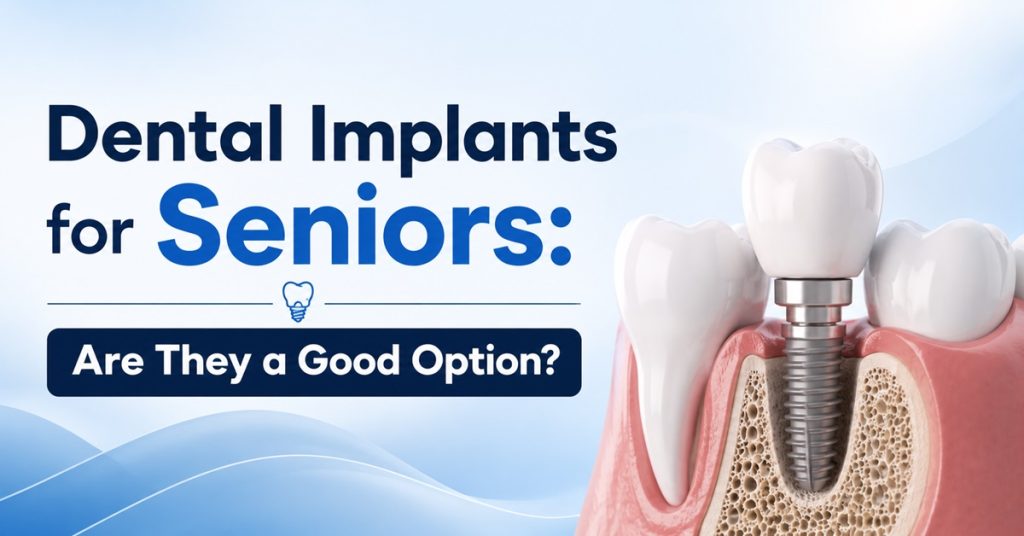
A dental implant replaces the root portion of a missing tooth. An implant post sits in the jawbone and supports a crown, bridge, or denture.
Key Benefits
- Better chewing: Stable replacement teeth can make it easier to enjoy a wider range of foods and support normal chewing function.
- Improved speech: Missing teeth or loose dentures can affect speech. Secure replacement teeth may provide better control during speaking.
- Better smile support: Dental implants can fill gaps and help create a more complete smile.
- Jawbone support: An implant can provide stimulation to the surrounding bone, helping reduce changes linked with tooth loss.
- Secure dentures: Implant supported dentures can offer more stability than traditional removable dentures for suitable patients.

What Health Factors Matter?
A Surprise Dentist may review several health factors before implant treatment. Age is only one part of the treatment decision.
Gum Health
Healthy gums provide a better setting for implant treatment. Active gum disease may need care before implants are placed.
Bone Support
Tooth loss can reduce jawbone volume over time. Some patients may need bone grafting before implant placement if the available bone does not provide enough support.
Diabetes
Controlled diabetes may allow many patients to receive implants. Poor blood sugar control can slow healing and raise the risk of oral infection.
Medications
Older adults may take several prescription medicines. A dental team should review current medicines before surgery, with special attention to drugs that affect bleeding or bone metabolism.
Smoking
Tobacco use can slow tissue healing and raise the risk of implant complications. Reducing or stopping tobacco use can support healthier healing.
What About Full Mouth Dental Implants?
For patients with many missing or severely damaged teeth, full mouth dental implants for seniors may be an option. This approach does not always mean one implant for every missing tooth.
Several implants can support a fixed bridge or full arch restoration. The final plan depends on bone support, gum health, bite, medical history, and the condition of the remaining teeth.
What Is Recovery Like?
Mild soreness, swelling, or tenderness may occur after implant surgery. Recovery time varies based on the number of implants, bone condition, surgical needs, and overall health.
Our team may recommend softer foods, gentle oral cleaning, prescribed medicines, and follow-up visits during early healing. The implant then needs time to bond with the jawbone before the final restoration is placed.
How Can Seniors Protect Their Implants?
Long term implant care requires habits similar to care for natural teeth.
- Brush twice daily: Gentle brushing helps control plaque around teeth, gums, and implant restorations.
- Clean between teeth: Floss, interdental brushes, or other recommended tools can help clean areas that a toothbrush may miss.
- Attend dental visits: Regular examinations can help identify gum inflammation, bite changes, loose components, or restoration wear.
- Protect overall health: Good nutrition, controlled medical conditions, and healthy lifestyle habits can support oral health and healing.
When Should an Implant Consultation Be Considered?
Dental implants can be a good option for many older adults, yet suitability must be based on individual health and oral conditions. Age alone does not make implant treatment unsuitable.
Our team at Surprise Dental can examine the gums, teeth, jawbone, bite, medical history, and current medications before recommending treatment. A consultation can help determine whether implants, implant supported dentures, bridges, or traditional dentures are the better fit for long term tooth replacement.