
Missing teeth can affect chewing, speech, confidence, and the health of nearby teeth. Some patients may need extra support before receiving an implant, especially when the jawbone has lost volume after tooth loss. Our team focuses on making each step comfortable, easy to follow, and suited to each patient’s dental needs.
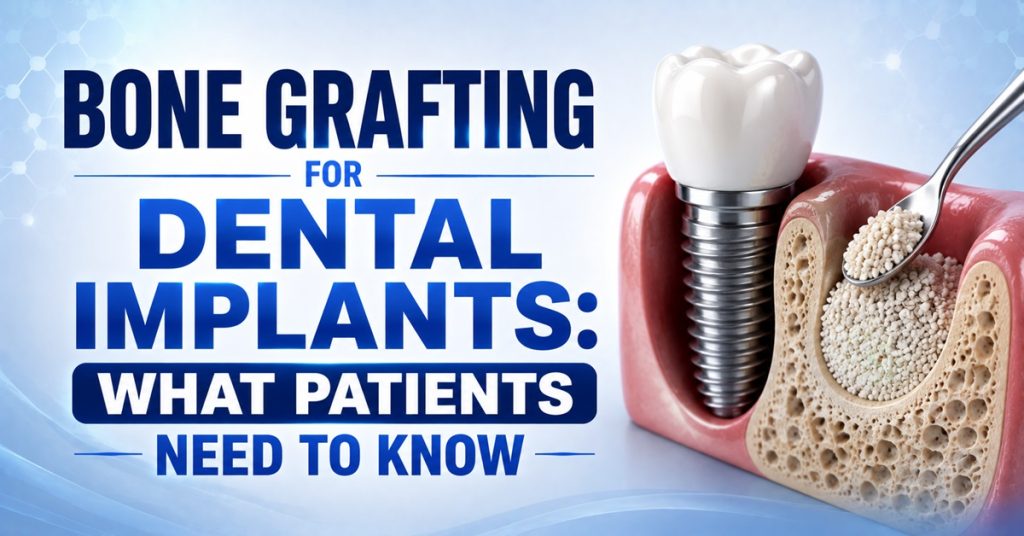
Patients considering Cosmetic Dentistry in Surprise, AZ may hear about bone grafting during an implant consultation. A bone graft for dental implant treatment adds bone material to an area with limited bone volume, giving the jaw a stronger foundation for future implant placement.
What Is Bone Grafting for Dental Implants?
Bone grafting for dental implants is a procedure that adds bone material to an area of the jaw that has lost bone density or height. The added material supports new bone growth over time.
A dental implant needs enough healthy bone for stable support. When tooth loss has caused bone shrinkage, a graft can help rebuild the area before implant placement.
Why Does Jawbone Loss Happen?
Several dental conditions can reduce jawbone volume:
- Tooth loss: The jaw receives less stimulation after a tooth is lost, which can lead to gradual bone loss.
- Gum disease: Advanced gum infection can damage the bone surrounding teeth and reduce support.
- Long-term denture use: Bone changes can occur over time after natural teeth are lost.
- Trauma or infection: Injury or infection can leave an area with less bone than needed for an implant.
What Happens During a Bone Graft?
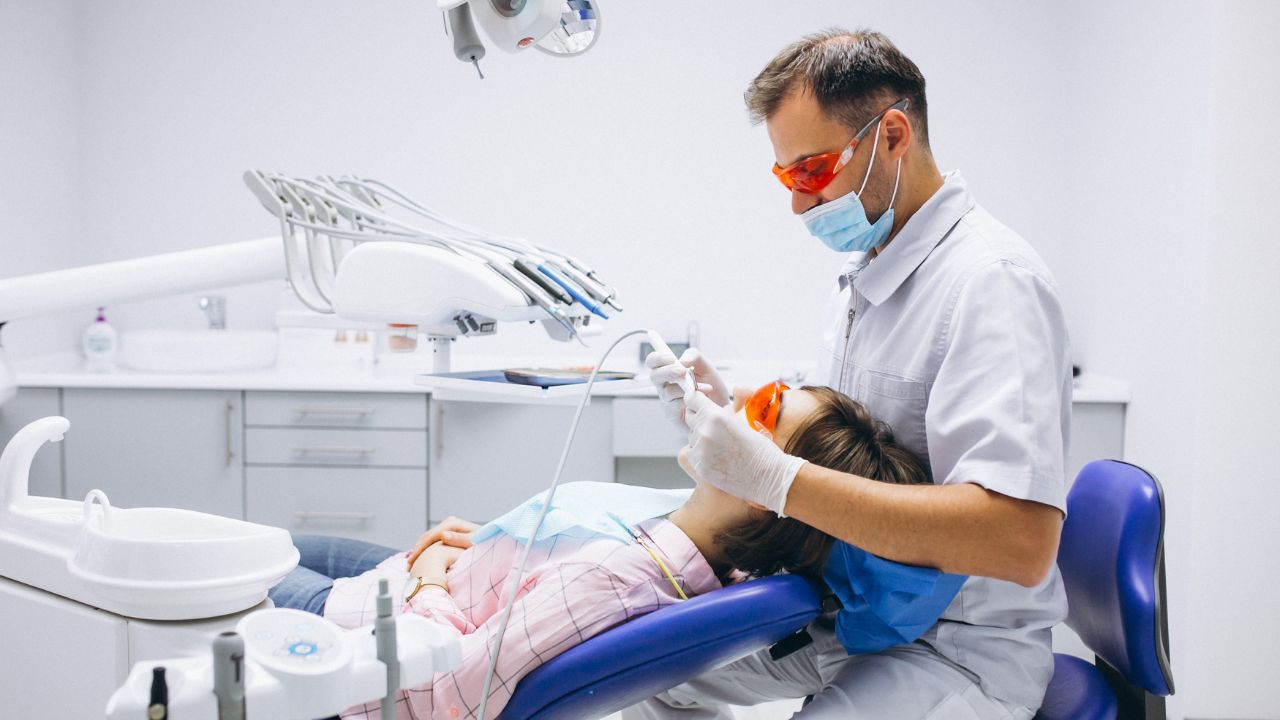
A Dentistry in Surprise AZ consultation can include an oral examination and dental imaging to check bone height, width, gum health, and nearby structures.
During treatment, the area is numbed to keep the patient comfortable. The dentist places grafting material into the area with reduced bone volume and protects the site so healing can begin.
The graft may come from a human donor, animal source, synthetic material, or another approved source. The recommended material depends on the patient’s dental condition and treatment plan.
What Is Recovery Like?
Mild soreness, swelling, or tenderness can occur after treatment. These effects often improve during the first several days.
Patients can support healing through simple care habits:
- Follow all prescribed aftercare instructions.
- Choose softer foods during the early healing period.
- Keep the mouth clean according to the dental team’s instructions.
- Avoid smoking or tobacco products, which can interfere with oral healing.
- Attend follow-up visits so healing and bone development can be checked.
The healing period varies from patient to patient. Some cases may need several months before an implant can be placed.
When Can the Dental Implant Be Placed?
The implant timing depends on the amount of bone needed, graft size, healing response, gum condition, and overall oral health.
Once sufficient bone has formed, the implant can be placed into the prepared area. The implant then needs time to bond with the surrounding bone before the final restoration is attached.
Can Every Patient Have a Bone Graft?
Bone grafting can support many patients who have reduced jawbone volume, yet each case needs an individual evaluation. Gum health, medical history, smoking habits, infection, bone condition, and planned implant location can affect treatment planning.
A careful dental examination helps identify whether grafting is suitable and whether another approach may provide better support.
Building a Strong Foundation for an Implant
Bone grafting can give patients with bone loss a path toward stable implant treatment. With proper planning, healing care, and regular dental visits, grafted bone can provide support for an implant and a natural-looking dental restoration.
Our team at Surprise Dental can evaluate bone health, explain available treatment choices, and create a plan based on each patient’s needs. Scheduling an implant consultation can help patients learn whether bone grafting may be the right step toward restoring comfortable chewing and a confident smile.