
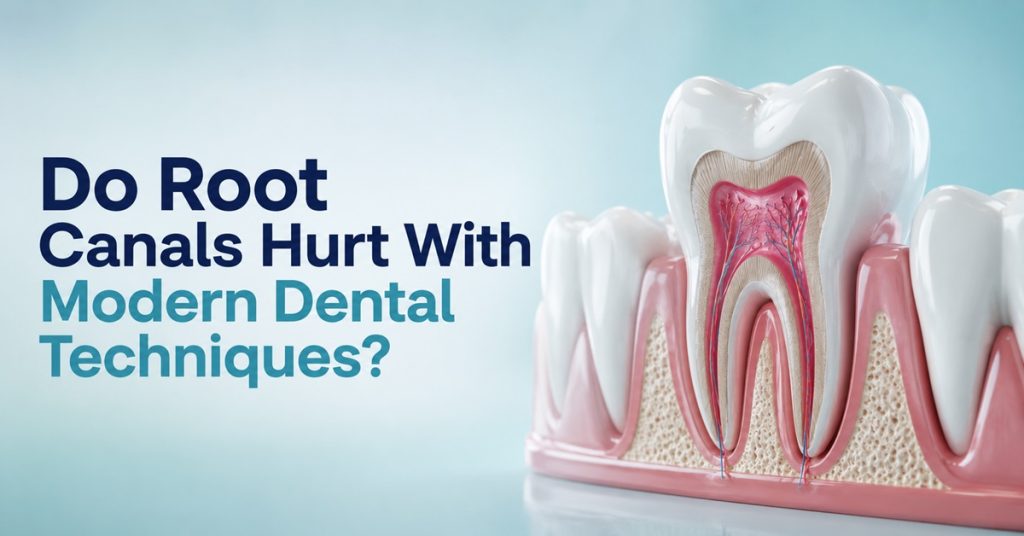
Many patients feel nervous when a dentist recommends a root canal. Stories shared over the years have created fear, making people think the procedure is painful. Our team at Surprise Smiles Dental wants every patient to feel informed before making a treatment decision. One of the most common questions we hear is do root canals hurt, and modern dentistry has changed the experience for the better.
Patients searching for Restorative Dentistry in Surprise, AZ often hope to save a damaged tooth without dealing with severe discomfort. Modern root canal treatment, endodontic therapy, infected tooth treatment, dental pulp therapy, and tooth preservation focus on removing infection, protecting healthy tooth structure, and restoring comfort. For many patients, the pain caused by the infection is much greater than anything experienced during the procedure itself.
Why Do People Think Root Canals Hurt?
The reputation of root canals began many years ago when dental technology, anesthesia, and treatment methods were much different from today. Older techniques often made dental care less comfortable, leaving lasting memories that continued through generations.
Modern dentistry has changed dramatically. Digital imaging, advanced local anesthesia, precise instruments, improved cleaning systems, and modern restoration materials help create a smoother treatment experience. Many patients are surprised by how comfortable a root canal feels compared to what they expected.
During an appointment with a Dentist Surprise AZ, our team carefully explains every step before treatment begins. Patients know what to expect throughout the visit, which often reduces anxiety and helps create a more relaxed experience.
Do Root Canals Hurt During Treatment?
The simple answer for many patients is no.
Local anesthesia numbs the tooth and surrounding tissues before treatment begins. Patients remain awake during the procedure, though the treatment area stays comfortable throughout the appointment.
Many patients compare the experience to receiving a routine dental filling. Pressure or gentle movement may be noticed during treatment, though sharp pain is not expected. Our team checks patient comfort throughout the appointment and provides additional anesthetic if needed.
How Bad Do Root Canals Hurt Before Treatment?
Patients asking how bad do root canals hurt are often describing the pain caused by the infection rather than the procedure itself.
An infected tooth may create:
- Persistent tooth pain that continues throughout the day. The discomfort may become stronger when eating, biting, or drinking hot or cold beverages.
- Swollen gums near the affected tooth. The surrounding tissue may feel tender when touched.
- A dental abscess that creates pressure around the tooth root. Infection may spread into nearby bone if treatment is delayed.
- Sensitivity to temperature that continues long after hot or cold food has been removed.
These symptoms often become the reason patients seek emergency dental care. Removing the infected pulp during a root canal helps eliminate the source of pain instead of allowing it to continue.
What Happens During a Root Canal?
Learning each step of treatment often helps patients feel calmer before the appointment.
Examination and Diagnosis
Our team performs a complete examination of the tooth.
Digital dental images help identify infection, evaluate the root canal system, locate every canal, and determine the most appropriate treatment plan.
Local Anesthesia
The tooth and surrounding tissue receive local anesthesia before treatment begins.
The numbness allows patients to remain comfortable during the procedure.
Cleaning the Tooth
A small opening is created through the top of the tooth.
Small dental instruments remove infected dental pulp, bacteria, damaged tissue, and debris from every canal. The canals are cleaned, shaped, and disinfected before sealing.
Sealing the Root Canal
After cleaning is complete, the canals are filled with a biocompatible material.
This seal helps block bacteria from returning to the inside of the tooth and supports long term tooth preservation.
Restoring the Tooth
Many treated teeth receive a dental crown after healing.
The crown strengthens the remaining tooth, restores chewing ability, protects against fractures, and supports long term function.
Do Root Canal Treatment Hurt After the Appointment?
Patients frequently ask do root canal treatment hurt after they leave the dental office.
Mild soreness or tenderness during the first several days is common. The tissues surrounding the tooth may remain sensitive after treatment, especially if infection was present before the appointment.
Many patients notice that this tenderness becomes milder each day. Pain caused by the infection usually improves soon after the damaged tissue has been removed.
Over the counter pain medicine or prescribed medication may be recommended based on the condition of the tooth. Following the treatment instructions provided by our team supports a smooth recovery.
Tips for a Comfortable Recovery
Following simple home care instructions supports healthy healing after treatment.
- Take medications as directed. Pain relief and antibiotics, when prescribed, help support healing and reduce discomfort during recovery.
- Choose softer foods during the first few days. Foods such as yogurt, mashed potatoes, oatmeal, scrambled eggs, soup, and smoothies reduce pressure on the treated tooth.
- Brush and floss every day. Keeping the mouth clean lowers the amount of bacteria around the treated area and supports healthy gums.
- Avoid chewing hard foods with the treated tooth until the permanent restoration has been placed. This protects the remaining tooth structure from unnecessary stress.
- Attend every follow up appointment. Our team checks healing, places the permanent restoration when needed, and confirms the tooth is functioning properly.
When Should Patients Contact the Dental Office?
Most recoveries progress smoothly.
Patients should contact our office if they notice:
- Severe pain that becomes stronger instead of milder after several days. This may indicate that the tooth or surrounding tissues need further evaluation.
- Swelling that continues to increase after treatment. Early evaluation helps identify the cause and determine the proper care.
- A temporary filling or crown that becomes loose or falls out. Protecting the treated tooth helps prevent bacteria from entering the canals again.
- Difficulty biting comfortably after healing. A simple adjustment may improve the bite and restore comfort.
Prompt care supports the best possible outcome for every patient.
How Can Patients Lower the Chance of Needing a Root Canal?
Healthy daily habits help protect teeth from deep decay and infection.
- Brush twice each day with fluoride toothpaste to remove plaque and food particles from the teeth.
- Clean between the teeth every day with dental floss or interdental cleaners. Healthy gums support healthy teeth.
- Visit the dental office for routine examinations and professional cleanings. Early care often stops small problems before they become larger ones.
- Treat small cavities before they reach the inner portion of the tooth. Early treatment helps preserve healthy tooth structure.
- Wear a mouthguard during sports activities. Protecting teeth from injury lowers the chance of cracks that allow bacteria to enter the pulp.
- Limit sugary snacks and sweet drinks. Lower sugar intake helps reduce the risk of tooth decay.
- Schedule a dental visit soon after noticing lingering sensitivity, swelling, or tooth pain. Early treatment often protects the natural tooth.
Final Thoughts
Patients asking do root canals hurt, how bad do root canals hurt, or do root canal treatment hurt often discover that modern dentistry has transformed the experience. Local anesthesia, advanced technology, gentle techniques, and careful treatment planning help make root canal therapy much more comfortable than many people expect. In many cases, the infection inside the tooth causes far more discomfort than the procedure itself.
If tooth pain, swelling, lingering sensitivity, or signs of infection have become part of daily life, schedule an appointment with Surprise Smiles Dental. Our team is ready to evaluate the tooth, answer every question, explain every treatment option, and provide compassionate care that helps patients protect their smiles for years to come.