
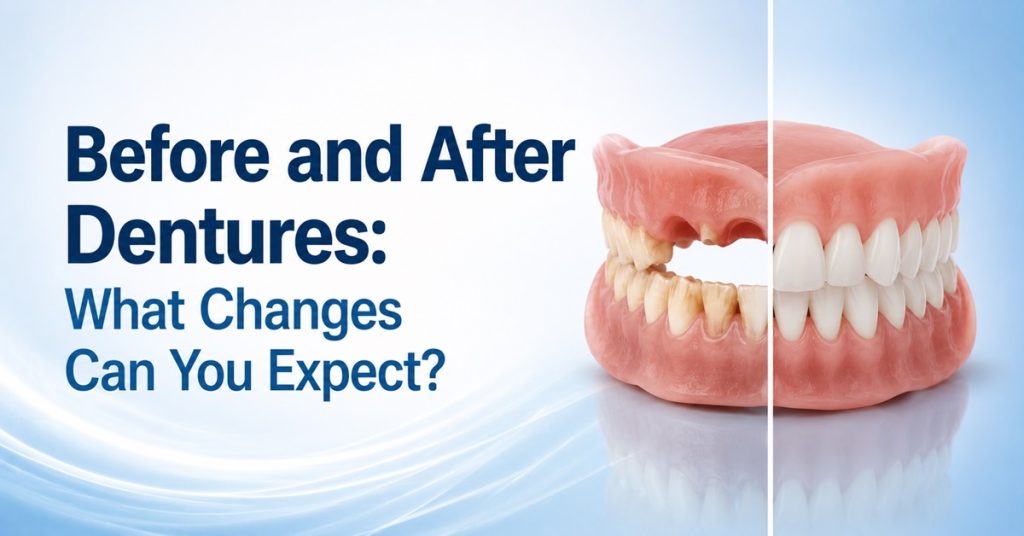
The decision to get dentures often comes with many questions. Patients frequently wonder how their smile will look, how eating and speaking may change, and whether dentures will feel comfortable. Looking at the differences before and after dentures can help patients feel more informed and confident about treatment.
At Surprise Dental, our team helps patients restore smiles and improve oral function through personalized care. Through Restorative Dentistry in Surprise, AZ, patients can replace missing teeth and regain the ability to smile, eat, and speak with greater confidence. Learning what happens during the denture process can make the experience feel much more manageable.
Missing teeth can affect appearance, chewing ability, speech patterns, facial support, and self esteem. Many individuals live with these challenges for years before seeking treatment. Dentures offer an opportunity to restore both function and appearance.
Many people begin their treatment journey after speaking with a Surprise Dentist about concerns involving tooth loss. A professional evaluation helps identify the most suitable solution for restoring comfort and oral health.
Understanding the Before and After Dentures Transformation
When comparing before and after dentures, patients often notice changes that go far beyond their smile. Dentures can affect several areas of daily life.
Common improvements may include:
- Better smile appearance.
- Improved chewing performance.
- Enhanced speech clarity.
- Increased confidence during social interactions.
- Better support for facial features.
- Improved quality of life.
The exact results vary from one person to another, yet many individuals experience meaningful improvements in both function and appearance.
What Life May Be Like Before Dentures
Tooth loss affects people in different ways. Some individuals lose a few teeth, while others experience complete tooth loss.
Difficulty Chewing Food
Missing teeth can make it harder to break down food properly. Certain foods may become uncomfortable or impossible to chew.
Many people begin avoiding fruits, vegetables, meats, and other foods that require stronger biting forces.
Changes in Speech
Teeth play an important role in pronunciation. Missing teeth may cause speech changes that affect communication.
Some patients notice difficulty producing certain sounds or speaking with confidence in public settings.
Changes in Facial Appearance
Teeth provide support for facial muscles and soft tissues. Missing teeth can lead to a sunken appearance around the cheeks and mouth.
These facial changes may contribute to an older appearance.
Reduced Confidence
Many individuals become self conscious about gaps in their smile. Social interactions, photographs, and conversations may feel uncomfortable.
Confidence often declines when people worry about how their smile looks.
What Happens During the Denture Process?
Understanding the treatment process helps patients feel prepared.
Initial Evaluation
A dental examination helps determine oral health status, gum condition, bone structure, and treatment goals.
This appointment allows our team to create a personalized treatment plan.
Tooth Extractions if Needed
Some patients require removal of damaged or unhealthy teeth before dentures can be created.
Healing timelines vary based on individual circumstances.
Measurements and Impressions
Precise impressions are taken to create dentures that fit comfortably and function properly.
Accurate measurements contribute to better comfort and stability.
Denture Fabrication
The dentures are custom crafted to match facial features, smile appearance, and oral anatomy.
Attention is given to tooth shape, positioning, and aesthetics.
Placement and Adjustments
Once dentures are ready, adjustments may be performed to improve comfort and fit.
Follow up visits allow fine tuning during the adaptation period.
What Changes Can You Expect After Dentures?
The differences between dentures before and after treatment often become noticeable in several areas.
Improved Smile Appearance
One of the most visible benefits is smile restoration.
Benefits Include:
- Missing spaces are filled with replacement teeth.
- Smile symmetry improves.
- Facial appearance often becomes fuller and more balanced.
- Patients frequently report feeling more comfortable smiling in photographs and social settings.
A restored smile can create a noticeable improvement in self image.
Better Facial Support
Tooth loss can reduce support for facial tissues.
Positive Changes May Include:
- Fuller cheeks.
- Improved lip support.
- Reduced sunken appearance around the mouth.
- A healthier and more youthful facial profile.
These changes contribute to the visible transformation seen in many before and after dentures cases.
Improved Eating Ability
Dentures help restore chewing function.
Improvements Often Include:
- Greater ability to chew a variety of foods.
- Improved meal enjoyment.
- Better food processing during chewing.
- Increased confidence when dining with others.
Patients often find that eating becomes easier after adapting to their dentures.
Enhanced Speech
Speech adjustments may occur during the first few weeks.
With regular practice, many patients notice improvements in pronunciation and communication.
Reading aloud and speaking regularly can help speed adaptation.
Increased Confidence
A restored smile often contributes to improved confidence.
Many patients report feeling more comfortable during:
- Social gatherings.
- Family events.
- Professional interactions.
- Everyday conversations.
The emotional benefits can be just as meaningful as the physical improvements.
Common Challenges During the Adjustment Period
Adapting to dentures takes time. This process varies among individuals.
Mild Soreness
New dentures may create temporary pressure points. Follow up visits allow adjustments that improve comfort.
Increased Saliva Production
Some patients notice extra saliva during the first few days.
This response typically decreases as the mouth becomes accustomed to the dentures.
Learning New Chewing Habits
Eating may feel different initially.
Starting with softer foods and smaller bites often helps patients adapt more comfortably.
Speech Practice
Certain words may require extra practice during the adjustment period.
Most patients notice improvement with regular use.
Tips for Successful Denture Adaptation
Patients can support successful outcomes by following simple habits.
Wear Dentures as Directed
Consistent use helps the mouth adapt to the new appliance.
Attend Follow Up Visits
Adjustments can improve fit, comfort, and stability.
Practice Speaking
Reading aloud helps strengthen speech patterns and improve confidence.
Start With Softer Foods
Soft foods allow patients to become familiar with chewing with dentures before introducing firmer foods.
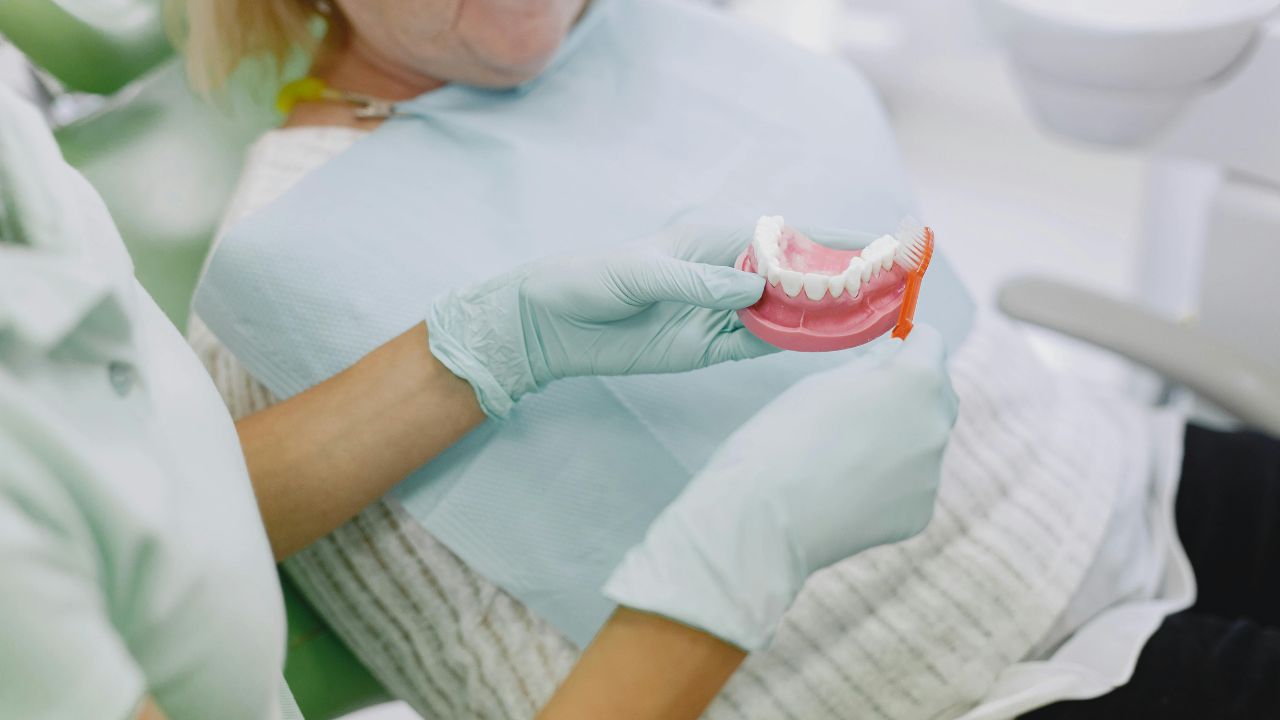
Maintain Proper Cleaning
Daily cleaning helps preserve appearance, oral hygiene, and longevity.
Good denture care supports long term oral health.
Long Term Benefits of Dentures
When patients compare dentures before and after, many continue to enjoy benefits for years.
These benefits often include:
- Restored smile appearance.
- Improved chewing ability.
- Better communication.
- Enhanced confidence.
- Improved facial support.
- Greater comfort in social situations.
Routine dental care and proper maintenance help preserve these benefits over time.
Conclusion
The transformation seen before and after dentures extends far beyond appearance. Dentures can restore chewing ability, improve speech, support facial structure, and strengthen confidence. Many patients discover that replacing missing teeth positively affects many areas of daily life.
At Surprise Dental, our team is committed to helping patients achieve healthy, functional, and attractive smiles through personalized treatment plans. Every patient deserves compassionate care and solutions that support long term oral wellness.
If missing teeth are affecting comfort, confidence, or quality of life, now is an excellent time to take the next step. Contact our office today to schedule a consultation, learn more about your treatment options, and discover how dentures can help create a stronger, healthier, and more confident smile.