
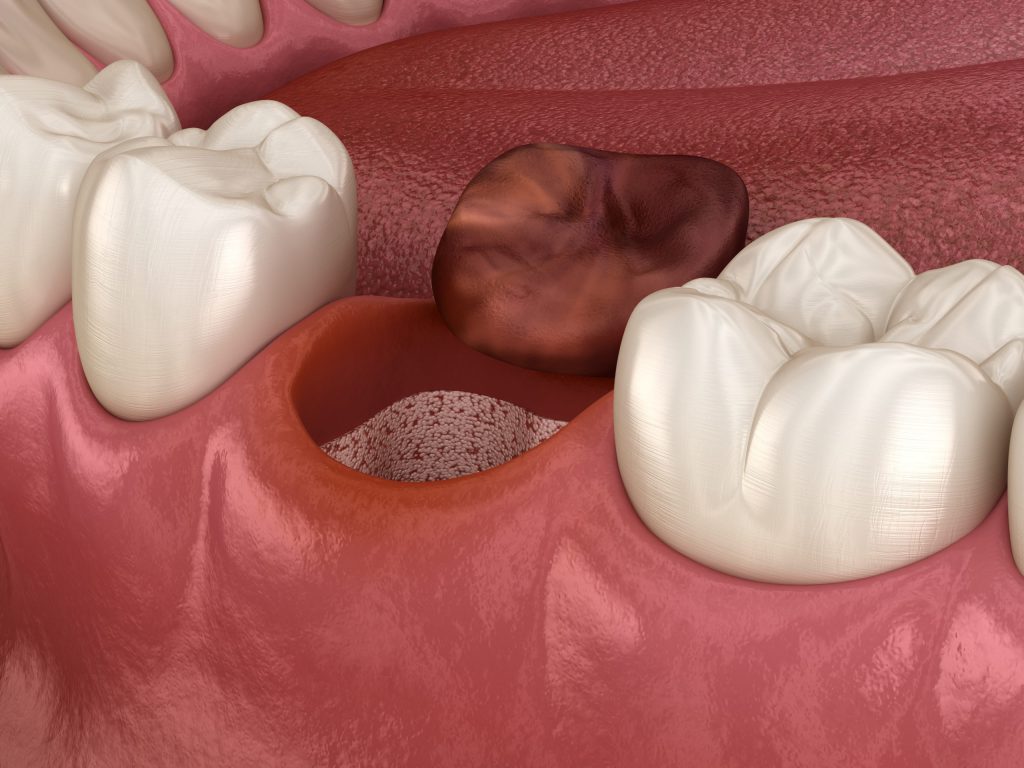
Dry socket, medically known as alveolar osteitis, is a painful condition that can occur after a tooth extraction. It happens when the blood clot that forms in the socket where the tooth was removed either dissolves or fails to form properly. This leaves the underlying bone and nerves exposed, leading to significant discomfort and delayed healing. Understanding dry socket is crucial for anyone undergoing dental extractions, particularly wisdom teeth removal, which is commonly associated with this condition.
What Causes Dry Socket?
Several factors contribute to the development of dry socket. The primary cause is the loss of the blood clot that serves as a protective barrier over the bone and nerves in the empty tooth socket. Here are some common causes:
- Smoking and Tobacco Use: Chemicals in tobacco can interfere with healing and increase the risk of dry socket.
- Difficult Tooth Extractions: More complicated extractions can lead to trauma in the area, affecting blood clot formation.
- Hormonal Factors: Women taking oral contraceptives may have a higher risk due to hormonal influences on blood clotting.
- Poor Oral Hygiene: Neglecting oral care can introduce bacteria into the wound, complicating healing.
- Previous History of Dry Socket: Individuals who have experienced dry socket before are at increased risk for future occurrences.
Understanding these risk factors can help patients take proactive steps to minimize their chances of developing dry socket after dental procedures.
Symptoms of Dry Socket
The symptoms of dry socket typically manifest within two to three days following a tooth extraction. Patients may experience:
- Severe Pain: Intense pain radiating from the extraction site to other areas of the face, such as the ear or neck.
- Visible Bone: An empty socket where the blood clot should be, often exposing white bone.
- Bad Breath and Taste: A foul odor or taste in the mouth due to food particles trapped in the socket.
- Swelling and Irritation: The area around the extraction site may appear swollen or irritated.
If you experience these symptoms after a tooth extraction, it is essential to contact your dentist promptly for evaluation and treatment.
Treatment Options for Dry Socket
If you develop dry socket, your dentist will likely recommend several treatment options aimed at alleviating pain and promoting healing:
- Cleaning the Socket: Your dentist will clean out any debris or food particles from the socket.
- Medicated Dressings: A medicated dressing may be placed in the socket to relieve pain and promote healing.
- Pain Management: Over-the-counter pain relievers or prescription medications may be provided to manage discomfort.
- Follow-Up Visits: Regular follow-up appointments may be necessary for dressing changes until healing occurs.
While dry socket can be painful, it is generally manageable with appropriate dental care.
How to Prevent Dry Socket
Preventing dry socket involves taking specific precautions before and after your tooth extraction. Here are some effective strategies:
- Avoid Smoking: Refrain from smoking or using tobacco products for at least 48 hours post-extraction.
- Follow Dentist’s Instructions: Adhere closely to your dentist’s post-operative care instructions regarding oral hygiene and activity restrictions.
- Avoid Straws: Do not use straws for at least a week after surgery, as sucking can dislodge blood clots.
- Gentle Rinsing: If rinsing your mouth is necessary, do so gently to avoid disturbing any clots.
- Maintain Oral Hygiene: Keep your mouth clean but avoid vigorous brushing around the extraction site until it has healed.
By following these guidelines, patients can significantly reduce their risk of developing dry socket after dental procedures.

When to See a Dentist
If you suspect you have developed dry socket or if you experience worsening pain or other concerning symptoms following an extraction, it is crucial to seek professional help. A qualified Dentist Surprise AZ can provide appropriate care and ensure that any complications are addressed promptly. Regular check-ups and open communication with your dental provider are key components of maintaining oral health during recovery.
In conclusion, understanding what dry socket is and how it can be avoided is essential for anyone facing tooth extraction. By recognizing risk factors, being aware of symptoms, and following preventive measures, patients can enhance their recovery experience and minimize discomfort. If you have further questions about dental extractions or dry socket prevention, consider consulting with a trusted dental professional. For more information about dental care in your area, visit your local Surprise AZ dentist’s office here.