
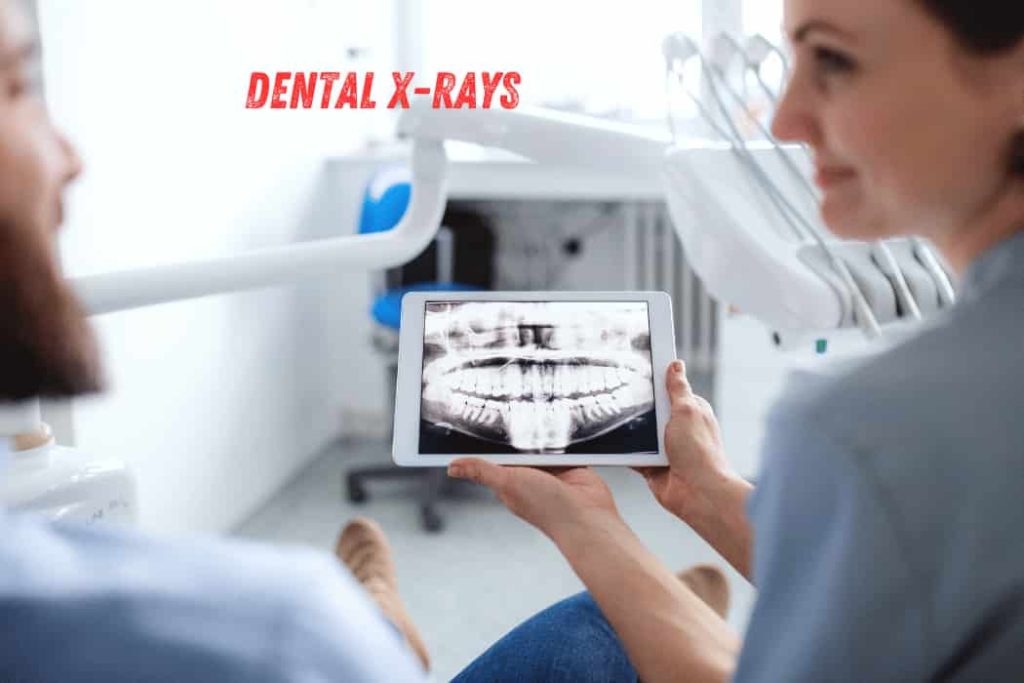
A dazzling smile is a powerful asset, but maintaining good oral health goes beyond aesthetics. It’s about preventing problems before they escalate and ensuring your mouth stays comfortable and functional for life. While regular brushing, flossing, and checkups are crucial, there’s another vital tool in your oral health arsenal: dental X-rays. Often referred to as radiographs, dental X-rays are low-dose images of your teeth, jawbone, and surrounding structures. They provide invaluable information that the naked eye simply cannot see during a routine dental exam. For those seeking a reliable and professional dental experience, a Surprise Dentist can offer expert care, ensuring your oral health is in good hands. This blog explores the importance of dental X-rays and how they contribute to your oral health.
Why Are Dental X-rays Important?
Dental X-rays offer a glimpse beneath the surface, revealing hidden dental issues that could otherwise go undetected. Here’s how they benefit your oral health:
- Early Cavity Detection: Cavities often begin between teeth or under existing fillings, areas invisible during a visual exam. X-rays reveal these hidden cavities in their early stages, allowing for prompt treatment and preventing them from progressing into more serious problems.
- Monitoring Bone Health: X-rays allow your dentist to assess the health of your jawbone, detecting signs of bone loss associated with gum disease (periodontitis) before it becomes severe. Early intervention in gum disease is crucial for preventing tooth loss and preserving bone structure.
- Evaluating Tooth Development: For children, X-rays can track the development of permanent teeth, identifying any potential impaction or eruption issues. Early detection allows for timely intervention and orthodontic treatment if necessary.
- Planning and Assessing Treatment: X-rays are essential tools for planning dental procedures like root canals, crowns, or implant placement. They help your dentist determine the extent of tooth decay, root anatomy, jawbone health, and overall suitability for the treatment.
- Diagnosing Jaw Issues: X-rays can reveal problems with your jawbone, such as cysts, tumors, or fractures. Early detection and diagnosis of these conditions are crucial for proper treatment and management.
Types of Dental X-rays
There are various types of dental X-rays, each serving a specific purpose:
- Bite-wing X-rays: These X-rays focus on the upper and lower molars and premolars, capturing the crowns and roots of these teeth to detect cavities between them.
- Periapical X-rays: These detailed X-rays capture one or two entire teeth, including the crown, root, and surrounding bone, providing a clear view for assessing root health, bone loss, and potential abscesses.
- Panoramic X-rays: These single X-rays capture a wide panoramic view of your mouth, including all teeth, the jawbone, sinuses, and temporomandibular joints (TMJs).
- Cephalometric X-rays: This specialized X-ray captures a side view of your head, showcasing the relationship between your teeth, jawbone, and facial structures. It’s often used in orthodontics to plan treatment for teeth alignment issues.
Safety of Dental X-rays
Dental X-rays use very low doses of radiation. Modern dental offices utilize advanced technology that minimizes radiation exposure further. Your dentist will only recommend X-rays when necessary and will take precautions to ensure your safety.
Frequency of Dental X-rays
The frequency of dental X-rays depends on your individual needs and risk factors for dental problems. Your dentist will determine the appropriate interval based on your age, oral health history, and susceptibility to cavities or gum disease.
Open Communication with Your Dentist
If you have concerns about dental X-rays, discuss them openly with your dentist. They can explain the specific reasons for recommending X-rays in your case and address any questions you may have about safety.
The Benefits Outweigh the Concerns
Dental X-rays are a safe and valuable tool for safeguarding your oral health. By enabling early detection and diagnosis of dental problems, they can save you time, money, and discomfort in the long run. Early intervention with treatment plans based on X-ray findings can prevent more extensive and expensive procedures.
Conclusion
While brushing, flossing, and regular checkups are the foundation of a healthy smile, dental X-rays offer a powerful tool for uncovering hidden issues. At Surprise Smiles, we believe in a proactive approach to oral health. By incorporating dental X-rays when necessary, we can ensure early detection and treatment, preventing problems before they surprise you. Schedule an appointment at (623) 215-1075 today! Let’s work together to keep your smile healthy, beautiful, and full of confidence.