
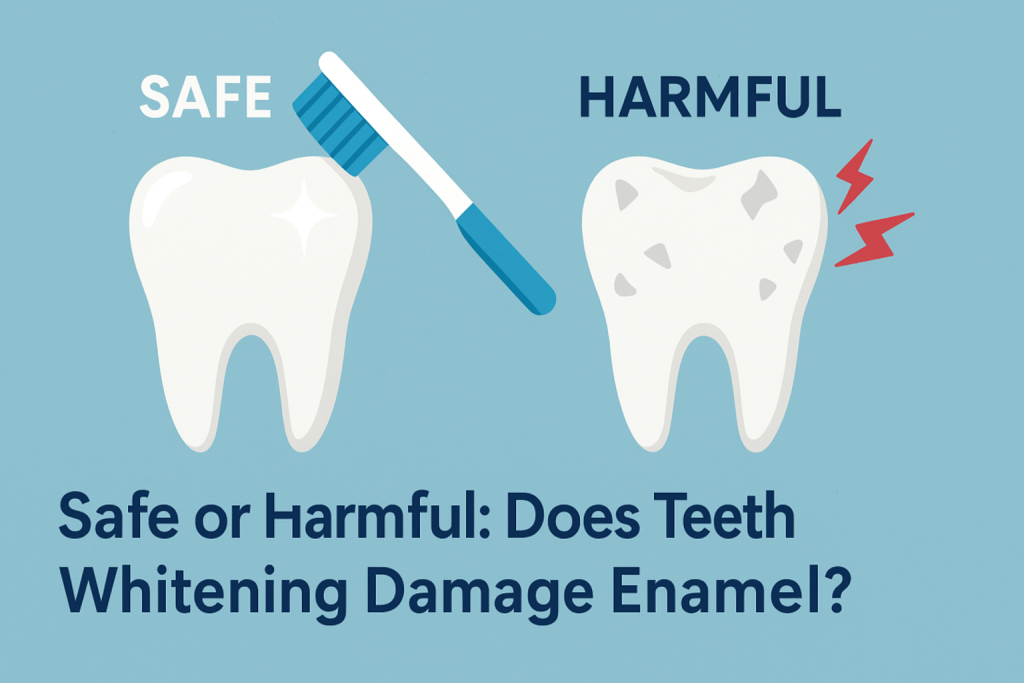
It’s normal to feel a little unsure when it comes to dental treatments that change how your teeth look. One of the most common questions patients ask is does teeth whitening damage enamel? That concern is valid. After all, enamel is the protective outer shell of your teeth, and any sign of weakness or erosion can lead to sensitivity, discoloration, or cavities.
At Surprise Dental, we hear this question often from both new and returning patients who are thinking about brightening their smiles. They’re excited about removing stains, but they want to make smart decisions. That’s where facts and expert guidance help relieve uncertainty.
Teeth whitening is one of the most requested treatments in Cosmetic Dentistry in Surprise, AZ, and it’s easy to see why. A brighter smile can improve confidence, but it’s important to understand how whitening works and what it does to the structure of your teeth.
What Enamel Is and Why It Matters
Enamel is the hard outer layer that shields each tooth. It’s made of mineral-rich material that guards the soft inner layers, helps prevent decay, and protects nerves from temperature changes. Once enamel is worn down, it does not grow back. That’s why patients care so much when they ask, Does teeth whitening damage enamel?
Whitening treatments use agents that reach into the pores of the enamel to break apart deep stains. This makes some people feel like those active ingredients could weaken the enamel or strip it away.
The truth is that when whitening is done correctly, the enamel stays intact. The structure of the tooth remains strong and functional.
How Whitening Works
Professional whitening treatments rely on agents like hydrogen peroxide or carbamide peroxide, which gently penetrate the surface of your teeth. These compounds lift and dissolve stain molecules without physically scraping or removing the enamel itself.
Patients often report some mild sensitivity after whitening. That can feel like a problem, but it’s usually temporary and does not indicate damage. This sensitivity happens because the whitening agents open up microscopic pores in the enamel, allowing air or liquids to reach the nerve endings more easily. These pores typically close back up within 24 to 48 hours.
If someone tries whitening products too frequently or uses strong concentrations without professional guidance, there is a chance of enamel dehydration, irritation, or even erosion. That’s why we always recommend consulting with a Surprise Dentist before starting or repeating any whitening treatment.
Risks of Overuse or Improper Use
When whitening is done too often or without proper supervision, it can lead to:
- Tooth sensitivity: This occurs when whitening compounds are used back-to-back without giving the enamel time to recover.
- Gum irritation: Whitening gels that spread onto the gums can cause discomfort and minor inflammation.
- Enamel erosion: Rare, but possible if using overly strong products regularly without professional supervision.
- Translucency at the edges of teeth: Repeated bleaching can make the edges of your teeth look see-through or bluish.
This is why understanding the answer to does teeth whitening damage enamel? is not just about whether it’s safe in general, but whether it’s being done the right way.
Safe Whitening Practices That Protect Enamel
To keep your teeth healthy and your enamel strong, here are some safe whitening strategies:
- Follow your dentist’s instructions: Professional guidance helps match the right concentration and method to your needs.
- Avoid over-the-counter products that promise extreme results fast
These often contain high peroxide levels that can dry out enamel. - Limit whitening treatments to no more than once every six months unless advised otherwise: More frequent whitening can increase sensitivity and stress the enamel surface.
- Use a toothpaste for sensitive teeth before and after whitening: This can help block nerve pathways and reduce sensitivity.
- Drink water during and after meals: This helps rinse away dark-colored foods that can stain freshly whitened teeth.
Enamel Protection Before and After Whitening
Keeping enamel strong is not just about what happens during the whitening treatment. It’s also about what you do before and after:
- Get a professional cleaning before whitening: Plaque can block whitening agents and lead to uneven results.
- Avoid acidic foods and drinks right after whitening: Items like citrus fruits, soda, or vinegar-based dressings can make enamel more vulnerable.
- Use a straw for staining drinks: This keeps liquids like tea or coffee from making direct contact with the front of your teeth.
- Stick with calcium-rich foods: Items like cheese and yogurt help replenish minerals in your enamel.
- Avoid tobacco: Smoking not only stains but also weakens gum health, putting enamel at more risk over time.
Why Professional Whitening Is Safer
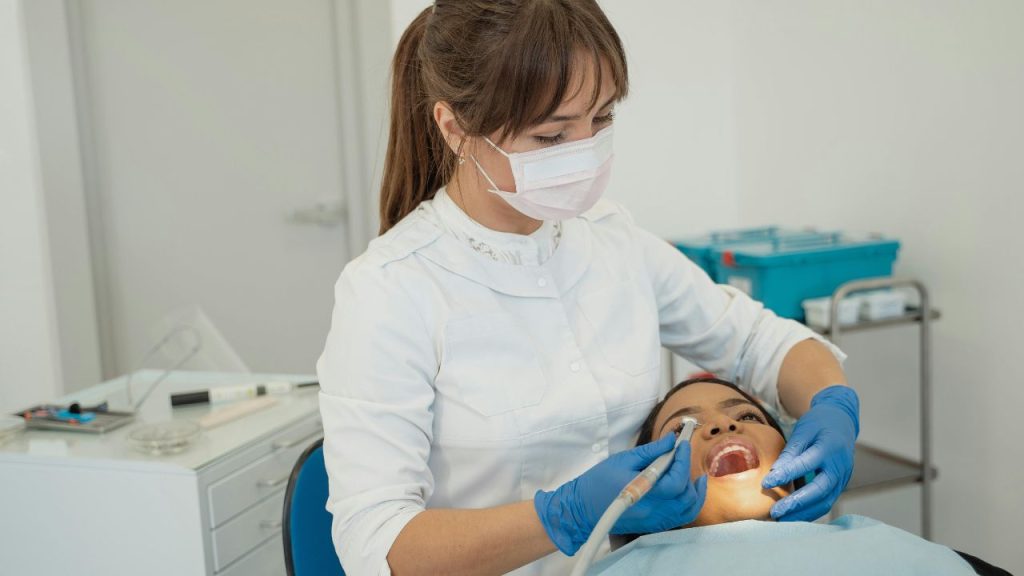
There’s a good reason professional whitening is considered safer than store-bought products. In-office treatments are controlled, monitored, and based on your specific dental history. We can adjust the strength, protect your gums, and provide post-care guidance.
When patients come to us with concerns like does teeth whitening damage enamel?, we’re able to explain exactly how the process works for their individual situation. No two mouths are the same, and a personalized approach makes a big difference.
Final Thoughts and Reassurance
Whitening treatments can be both safe and effective when performed correctly. Asking does teeth whitening damage enamel? is a smart question, and the short answer is no, not when done with care. Protecting enamel is part of every professional treatment plan we offer.
Our team at Surprise Dental is here to help you keep your teeth healthy and bright without sacrificing their natural strength. Whether you’re considering your first whitening or thinking about a touch-up, we’re here to guide you through it with comfort and clarity.
Let’s work together to protect your smile. Schedule your whitening consultation today or reach out with your questions. A brighter, stronger smile is just one step away.