
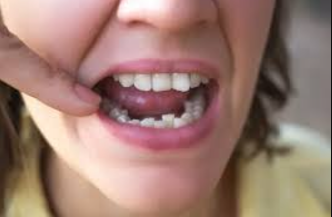
Teeth misalignment, also known as malocclusion, affects a significant portion of the population. It can range from minor crowding to more severe issues, such as overbites, underbites, or crossbites. A common question many people ask is whether genetics play a role in these dental issues. Understanding the hereditary aspects of teeth misalignment can help individuals take proactive steps toward maintaining their oral health.
The Role of Genetics in Teeth Misalignment
Genetics can significantly influence the alignment of your teeth. Traits such as jaw size, tooth size, and the overall structure of your oral cavity are inherited from your parents. If your parents had crowded or crooked teeth, there’s a higher chance you might inherit these traits. For example, having a smaller jaw and larger teeth could result in crowding, while a larger jaw might lead to gaps between teeth.
In addition to jaw and tooth size, other inherited factors that contribute to misalignment include:
- Overbites and Underbites: These can often be traced to familial patterns in jaw alignment.
- Tooth Eruption Patterns: Delayed or irregular eruption of permanent teeth can lead to misalignment, and these patterns are sometimes hereditary.
- Spacing Issues: If your family has a history of wide gaps between teeth, you may inherit this characteristic.
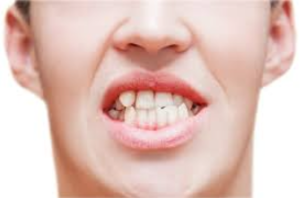
Environmental and Lifestyle Factors
While genetics play a significant role, environmental and lifestyle factors also contribute to teeth misalignment. Habits like thumb-sucking, prolonged use of pacifiers, or tongue thrusting during childhood can influence the positioning of teeth. Additionally, injuries to the jaw or dental issues, such as premature loss of baby teeth, can lead to alignment problems.
Dietary habits during childhood may also impact oral development. A diet lacking in chewy or fibrous foods can result in underdeveloped jaw muscles, potentially contributing to malocclusion.
How to Determine if Misalignment is Hereditary
The best way to understand whether your teeth misalignment is hereditary is through a thorough evaluation by a dental professional. A Dentist Surprise patients with detailed assessments to uncover the root causes of alignment issues and offer tailored solutions. Genetics are considered alongside other factors to create a comprehensive treatment plan.
Dentist Surprise clinics also emphasize preventive care, which can be especially helpful for younger patients whose oral health is still developing. By identifying hereditary risks early, parents can help guide their children toward interventions like orthodontics if needed.
Treatment Options for Teeth Misalignment
Thanks to modern dentistry, teeth misalignment can be effectively addressed through various treatment options, regardless of whether the cause is genetic or environmental. Some of the most common solutions include:
- Braces: Traditional braces remain one of the most reliable ways to correct severe misalignment. They are particularly effective in younger patients.
- Invisalign: Clear aligners are a popular option for those looking for a less noticeable way to straighten their teeth.
- Orthodontic Appliances: Devices like expanders can help address jaw size discrepancies that contribute to malocclusion.
- Surgical Options: In extreme cases, jaw surgery may be necessary to correct severe misalignment issues caused by hereditary factors.
Can Misalignment Be Prevented?
While hereditary factors cannot be changed, there are preventive measures to minimize the impact of misalignment. Regular dental checkups, proper oral hygiene, and addressing harmful habits early can all play a part in maintaining a healthy smile. Parents should pay close attention to their children’s oral development and consult with a dentist if they notice any signs of misalignment.
In some cases, early orthodontic intervention can prevent more severe issues later in life. For instance, using retainers or spacers during childhood can guide proper alignment as permanent teeth come in.
Final Thoughts
Teeth misalignment is often influenced by a combination of genetics and environmental factors. While you can’t change your genetic makeup, understanding its role allows you to take proactive steps in addressing alignment issues early. Whether hereditary or environmental, the right dental care can ensure you achieve a healthy, beautiful smile.
If you’re in Surprise, Arizona, and want expert advice on managing or treating teeth misalignment, don’t hesitate to consult a professional. A Dentist Surprise patients with solutions tailored to their needs, ensuring everyone can achieve their best smile.