
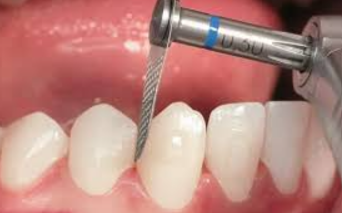
Interproximal reduction (IPR) is a common orthodontic procedure that involves the removal of a small amount of enamel from the sides of teeth. This technique is often used to create space for crowded teeth or to improve alignment without the need for tooth extraction. Some patients may wonder about IPR teeth risks, but they are minimal when done properly. While it may sound concerning to remove enamel, when performed correctly, IPR is safe, effective, and beneficial in achieving a balanced smile.
What is Interproximal Reduction?
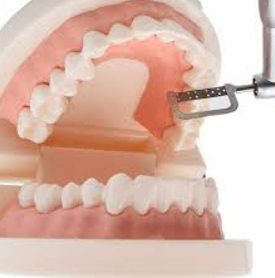
IPR, sometimes called tooth stripping or slenderizing, is a minimally invasive procedure performed by a dental professional. It involves reducing the width of teeth by removing 0.2–0.5 millimeters of enamel. Dentists use precise tools such as diamond strips or discs to achieve this, ensuring the process is controlled and does not compromise tooth health. While effective, it’s important to consider the IPR teeth risks, such as increased tooth sensitivity or potential damage to the enamel if not carefully monitored, although these risks are minimal with proper technique
This technique is commonly used in conjunction with braces or clear aligners to address orthodontic concerns such as:
- Crowding
- Overlapping teeth
- Black triangles (small gaps near the gums)
- Bite irregularities
Why is Interproximal Reduction Needed?
Creating space in a crowded mouth is essential to ensure proper alignment and avoid more invasive procedures. For example, tooth extractions can sometimes be avoided with IPR. Additionally, the removal of small enamel portions can help reduce the risk of relapses where teeth shift back into their original positions after orthodontic treatment.
IPR also enhances the aesthetic appearance of your smile by correcting asymmetry and eliminating gaps caused by overlapping teeth.
Is Interproximal Reduction Safe?
The safety of interproximal reduction largely depends on the expertise of the dentist and the appropriate use of this technique, which often leads patients to ask, Is interproximal reduction safe? Here are key factors that contribute to its safety:
- Minimal Enamel Removal: Only a small amount of enamel is removed, leaving the teeth structurally sound and functional.
- Precision Tools: Advanced tools ensure controlled enamel removal without harming surrounding tissues.
- Planning and Evaluation: Before IPR, dentists carefully assess tooth structure, gum health, and overall oral health to ensure the procedure is suitable.
It is important to note that enamel plays a vital role in protecting teeth from sensitivity and decay. Therefore, removing too much enamel or performing IPR on already weakened teeth can pose risks. This is why the procedure should only be done by an experienced professional.
Benefits of Interproximal Reduction
Interproximal reduction offers several advantages for patients undergoing orthodontic treatment:
- Improved Alignment: By creating extra space, teeth can shift into proper alignment more effectively.
- Reduced Need for Extractions: IPR is a less invasive alternative to tooth extraction in many cases.
- Enhanced Aesthetics: Addressing issues like black triangles and overlapping improves the overall appearance of your smile.
- Long-Term Stability: Properly aligned teeth are less likely to shift back after treatment, reducing the chances of relapse.
Interproximal reduction pros and cons
Interproximal reduction pros and cons often come up during orthodontic treatment discussions, especially for patients with mild crowding. This technique involves carefully removing small amounts of enamel between teeth to create space for better alignment. The pros include improved smile aesthetics, more room for shifting teeth, and potentially avoiding extractions. On the other hand, the cons may involve temporary tooth sensitivity and a slightly increased risk of enamel weakening if not performed properly. Understanding the interproximal reduction pros and cons helps patients make informed choices about their treatment plan.
Potential Risks and Precautions
While IPR is generally safe, it is not without risks. Potential issues include:
- Sensitivity: Some patients may experience temporary sensitivity after enamel is removed.
- Enamel Weakening: Excessive reduction can weaken teeth and increase the risk of decay.
- Gum Irritation: The procedure may cause minor gum discomfort, which typically resolves quickly.
To mitigate these risks, dentists evaluate the patient’s enamel thickness, oral health, and specific orthodontic needs before recommending IPR. Regular follow-ups and proper oral hygiene further ensure the safety and success of the procedure.
How to Care for Teeth After Interproximal Reduction
Maintaining excellent oral hygiene is critical after undergoing IPR to prevent complications. Here are some tips to care for your teeth:
- Brush twice daily with fluoride toothpaste to strengthen enamel.
- Floss regularly to clean interproximal spaces thoroughly.
- Use mouthwash to minimize plaque buildup and protect against decay.
- Schedule regular dental check-ups to monitor your oral health.
Where to Seek Professional Advice
If you are considering orthodontic treatment involving interproximal reduction, consult a trusted dental professional. Choosing an experienced dentist ensures the procedure is performed safely and effectively.
If you’re seeking expert care, consider Dentistry in Surprise AZ for personalized dental solutions. With skilled professionals and state-of-the-art technology, you can feel confident about achieving your dream smile.
Final Thoughts
Interproximal reduction is a valuable tool in modern orthodontics that provides a less invasive approach to creating space and improving alignment. When performed by an experienced dentist, the procedure is safe and offers numerous benefits. However, it’s important to be aware of the potential IPR teeth risks and ensure the procedure is carefully planned for the best outcomes.
If you have concerns about your orthodontic options, discuss them with your dentist to determine if interproximal reduction is right for you. With the right approach, you can enjoy a healthier, more beautiful smile for years to come.