
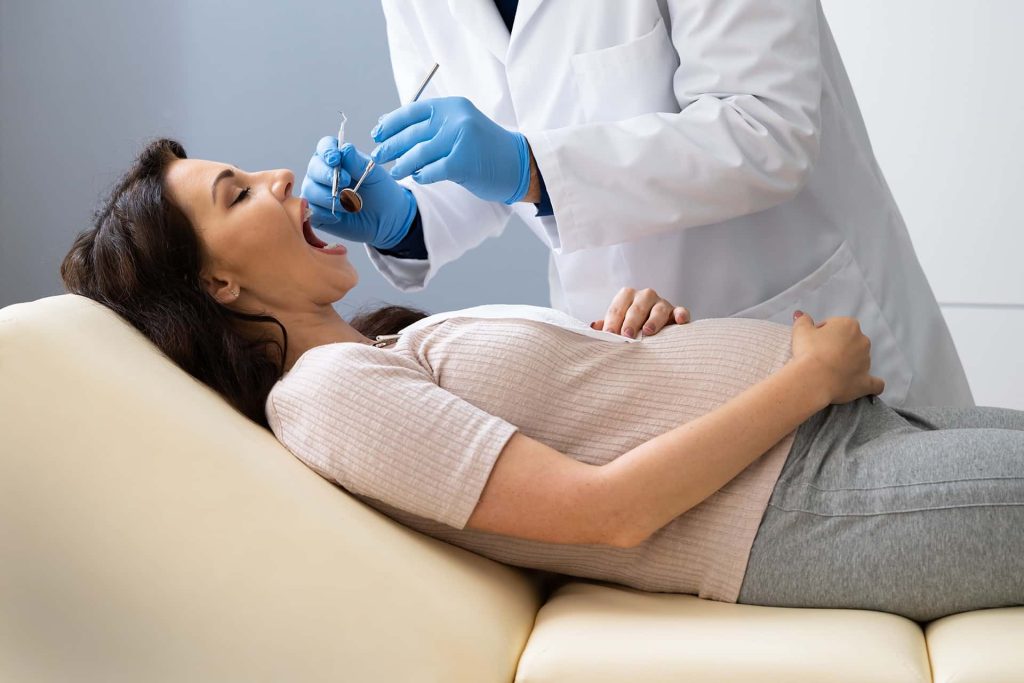
Pregnancy is a transformative time in a woman’s life, marked by significant physiological changes that can impact overall health, including oral health. Many women may not realize that pregnancy can lead to various dental issues, including gum disease, tooth decay, and other oral health problems. Understanding these potential risks and the importance of maintaining good oral hygiene during pregnancy is vital for both the mother and the developing baby.
The Connection Between Pregnancy and Dental Health
During pregnancy, hormonal fluctuations significantly affect a woman’s body, including her gums and teeth. Increased levels of hormones such as progesterone can enhance the body’s response to plaque, leading to inflammation and gum disease. This condition, known as pregnancy gingivitis, is characterized by swollen, bleeding gums and can develop as early as the second month of pregnancy. If left untreated, gingivitis can progress to periodontitis, a more severe form of gum disease that may result in tooth loss.
Moreover, studies have indicated a potential link between periodontal disease and adverse pregnancy outcomes, such as premature birth and low birth weight. Therefore, it is crucial for pregnant women to prioritize their dental health to mitigate these risks.
Common Dental Issues During Pregnancy
Several dental issues are commonly associated with pregnancy:
- Gingivitis: This is the most prevalent dental issue during pregnancy. Symptoms include swollen gums that may bleed during brushing or flossing. Regular dental check-ups can help manage this condition effectively.
- Periodontitis: If gingivitis is not addressed, it can lead to periodontitis, which involves deeper gum infection that affects the bone supporting the teeth. This condition has been linked to complications such as preterm labor.
- Tooth Decay: Pregnant women are at an increased risk for cavities due to changes in dietary habits and oral hygiene practices. Morning sickness can also contribute to tooth erosion from stomach acids.
- Pregnancy Tumors: These benign growths can develop on the gums due to hormonal changes and are usually painless but may require removal if they cause discomfort.
Importance of Dental Care During Pregnancy
Maintaining good oral hygiene is essential during pregnancy. Here are some tips for expecting mothers:
- Regular Dental Visits: It is recommended that pregnant women schedule dental check-ups at least once during their pregnancy. Dentists can provide professional cleanings and monitor any developing issues.
- Good Oral Hygiene Practices: Brushing twice a day with fluoride toothpaste and flossing daily are crucial for preventing plaque buildup and gum disease.
- Dietary Considerations: A balanced diet rich in vitamins and minerals supports both maternal health and fetal development. Limiting sugary snacks can also reduce the risk of cavities.
- Addressing Morning Sickness: For those experiencing nausea or vomiting, it’s important to rinse the mouth with water or a baking soda solution after vomiting to neutralize acids before brushing teeth.
- Seeking Professional Help: If dental issues arise, consulting a Dentistry in Surprise AZ can help manage anxiety associated with dental procedures during pregnancy.
Safe Dental Treatments During Pregnancy
Many women worry about the safety of dental treatments during pregnancy. However, most routine procedures are safe when performed by qualified professionals:
- Preventive Care: Cleanings and exams are safe at any stage of pregnancy but are ideally performed during the second trimester.
- Restorative Procedures: Treatments such as fillings or crowns can be performed safely if necessary.
- Emergency Care: In cases of severe pain or infection, immediate treatment is essential regardless of the trimester.
Certain medications used in dentistry, such as local anesthetics (like lidocaine) and some antibiotics (like amoxicillin), are considered safe for pregnant women.

Conclusion
In conclusion, pregnancy can indeed lead to various dental issues due to hormonal changes that affect oral health. Understanding these risks emphasizes the need for diligent oral care during this critical period. Expecting mothers should prioritize regular dental visits, maintain good oral hygiene practices, and seek professional help when needed. By doing so, they not only protect their own health but also promote healthy outcomes for their babies.