
Struggling with interrupted sleep, loud snoring, or waking up gasping for air can be frightening. For many, the decision to consider sleep apnea surgery doesn’t come easily. It’s often after trying CPAP machines, lifestyle changes, or oral appliances that the idea of surgery starts to feel like a serious option. Our team at Surprise Dental wants every patient to feel informed, comforted, and confident about making that choice.
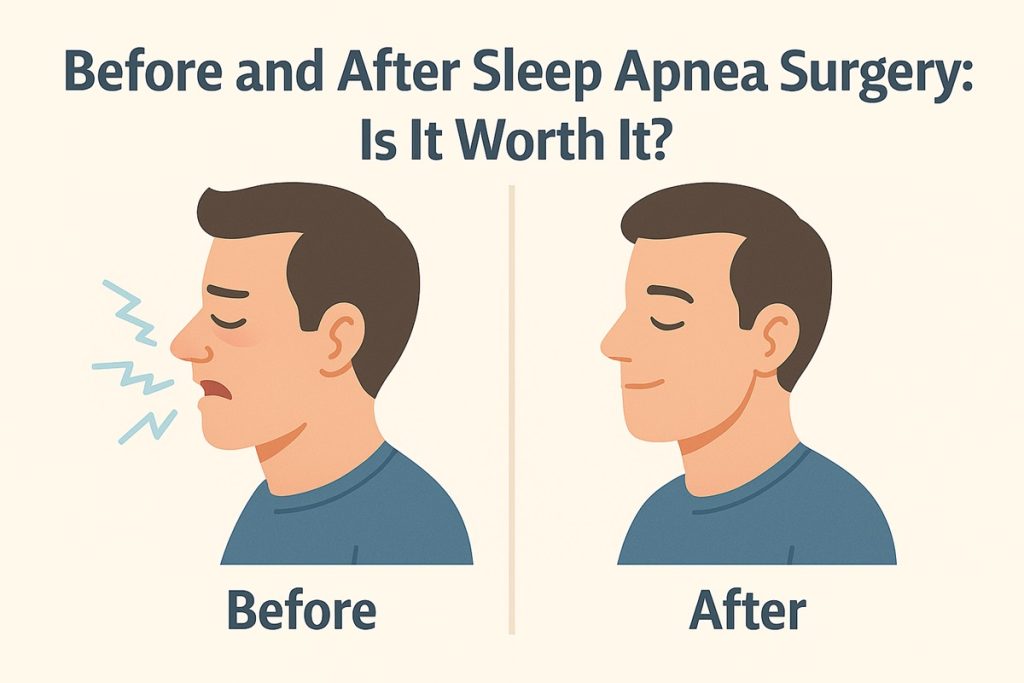
What Happens Before and After Sleep Apnea Surgery
For patients diagnosed with Sleep Apnea in Surprise, AZ, the path toward relief often starts with a thorough sleep study. Sleep apnea doesn’t just disturb rest. It affects daytime focus, blood pressure, and even heart health. Surgery is recommended when conservative treatments like CPAP or mandibular advancement devices have failed to help.
The before and after sleep apnea surgery experience varies depending on the type of surgery performed. There are several types available based on what’s causing the airway blockage. These include uvulopalatopharyngoplasty (UPPP), nasal surgery, tongue base reduction, or maxillomandibular advancement. Each option aims to widen the upper airway, allowing smoother breathing during sleep.
Before surgery, patients typically undergo imaging, routine blood tests, and airway assessments to guide the right surgical plan. Understanding how your anatomy affects airflow helps us recommend the most effective solution. Once surgery is completed, patients are monitored to observe changes in breathing, sleep patterns, and oxygen saturation.
Real Pain Points Patients Share
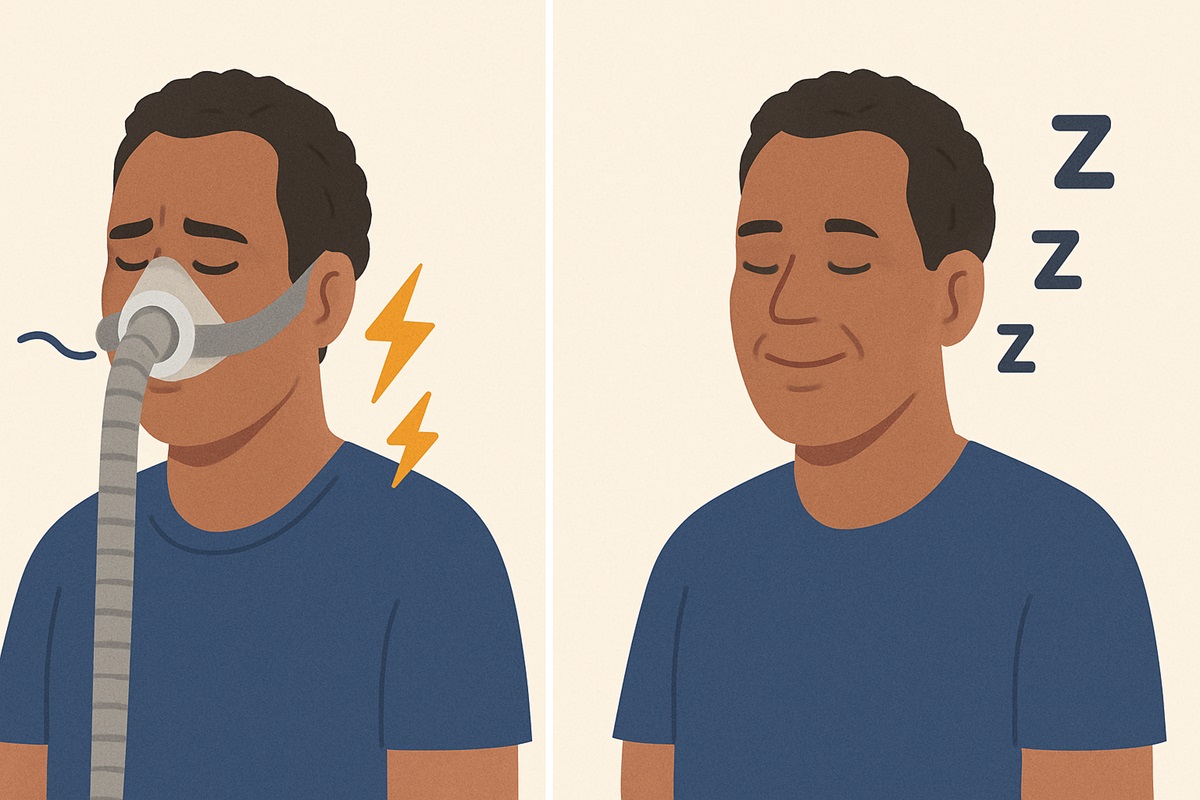
Many people delay treatment because they fear pain, a long recovery, or question if the results last. Sleep apnea symptoms like morning headaches, memory loss, or fatigue often go unlinked to the condition itself. For others, years of CPAP intolerance leave them feeling stuck. If you’ve been told your airway is too narrow, surgery could offer a reliable way forward.
This is where Dentist Surprise AZ practices help bridge the gap between ongoing frustration and long-term relief. Surgical solutions aren’t rushed into. They’re carefully weighed based on sleep test results, the severity of apnea, and your lifestyle needs.
Aftercare: What Recovery Looks Like
Post-surgical healing usually takes around 2 to 4 weeks, depending on the procedure. Mild discomfort is common in the throat, jaw, or nose. Swelling and soreness can occur, especially during the first week. Pain medications and soft diets are usually recommended for comfort.
Monitoring sleep post-surgery is key. Many patients undergo a follow-up sleep study within a few months to measure improvements. A significant decrease in apnea-hypopnea index (AHI) levels and better oxygen levels at night often reflect surgery success.
Over time, patients share benefits like:
- Reduced snoring and gasping episodes
- More energy and mental alertness
- Lower dependence on machines or devices
- Improved quality of life and reduced sleep fragmentation
Is It Worth It? A Look at the Long-Term Impact
The value of sleep apnea surgery isn’t just in stopping snoring. It’s in regaining restorative sleep and preventing long-term complications like hypertension, stroke, or metabolic conditions. When surgery succeeds, patients notice lasting relief from symptoms they thought were unrelated, like anxiety or daytime fog.
Not every person will be a match for surgical intervention. This is why reviewing sleep apnea surgery before and after outcomes, including sleep test data, is vital. Some patients experience life-changing results. Others may still need supportive devices but benefit from milder symptoms.
Prevention and Better Sleep Hygiene for the Future
Surgery is just one piece of the treatment puzzle. It’s also important to maintain habits that support healthy breathing during sleep.
Here are some ways to support better outcomes:
- Maintain a healthy weight to reduce pressure on the airway
- Limit alcohol or sedative use before bed
- Sleep on your side to avoid airway collapse
- Keep nasal passages clear with saline or prescribed treatments
- Follow up with your sleep specialist for ongoing monitoring
Combining surgery with a sleep-friendly routine helps preserve results and reduce the risk of new complications.
Reassurance from Trusted Experts
Patients often arrive feeling unsure. Is it worth going through surgery? Will it really help? Is the recovery manageable? We listen, evaluate carefully, and walk each patient through the steps so they can make the best choice for their health. Our practice has supported many through this process, and we’ve seen firsthand how life-changing it can be.
If you’re tired of the fatigue, the snoring, the constant battle with machines that don’t feel comfortable, it may be time to ask whether surgery is the next step. Our team at Surprise Dental is here to answer your questions, guide you through your options, and help you breathe easier at night.
Ready to Breathe Freely?
Reach out today to schedule a consultation or ask more about how sleep apnea surgery might fit your needs. We’re here to help you rest better, live better, and regain energy for your daily life.