
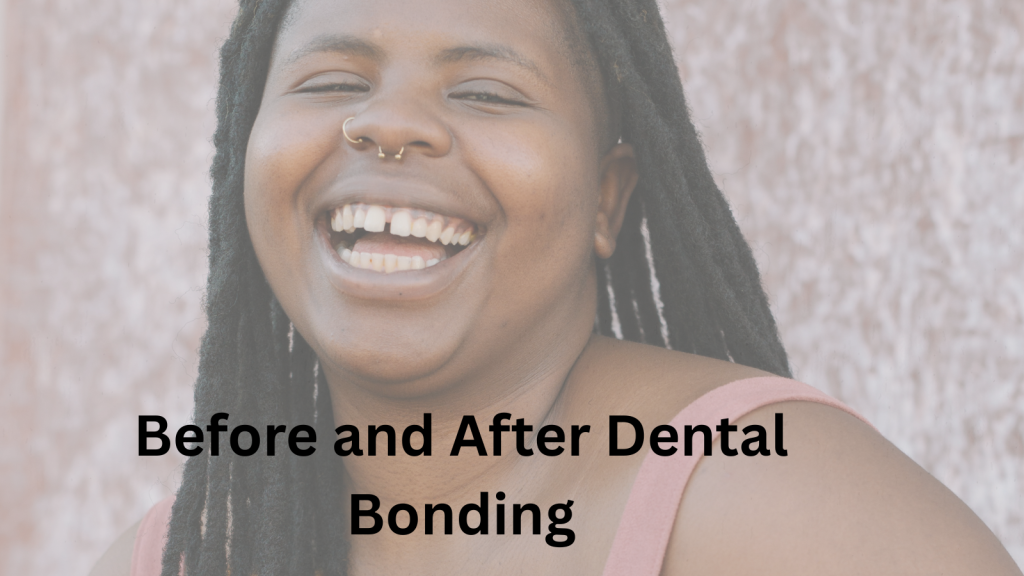
A confident smile can make a lasting impression. For those dealing with chipped, discolored, or uneven teeth, dental bonding offers a simple and effective solution. Many people worry about how their teeth look in photos or social settings, and imperfections can make them feel self-conscious. The good news is that dental bonding provides a way to correct these concerns, giving patients a reason to smile again.
If you are looking for Restorative Dentistry in Surprise, AZ, this treatment can be a great option to enhance your appearance without extensive procedures. By applying a tooth-colored composite resin, bonding restores teeth in a way that looks natural and blends seamlessly with the rest of the smile.
What Is Dental Bonding?
Dental bonding is a procedure that corrects minor flaws in the teeth. It involves the application of a composite resin that is shaped and hardened using a special curing light. This material adheres securely to the natural tooth, improving its appearance and function.
Benefits of Dental Bonding:
- Quick and Effective: The procedure typically takes less than an hour per tooth, making it one of the fastest ways to enhance a smile.
- Minimally Invasive: No significant enamel removal is required, preserving more of the natural tooth structure.
- Affordable: Compared to veneers or crowns, bonding is a budget-friendly cosmetic option.
- Natural Appearance: The composite resin is matched to the natural tooth shade for a seamless look.
- Reversible: Unlike some treatments, bonding can be adjusted or removed in the future if necessary.

Who Can Benefit from Dental Bonding?
This treatment is ideal for individuals who have:
- Small chips or cracks in their teeth.
- Gaps that affect the symmetry of their smile.
- Slight discoloration that does not respond well to whitening treatments.
- Uneven or misshapen teeth.
Dental bonding is particularly useful for those who want a fast and painless solution to improve their smile without undergoing more extensive dental work.
What to Expect Before and After Dental Bonding
Many patients are eager to see dental bonding before and after results and understand how bonding can transform their smiles. Knowing what happens before, during, and after the procedure can help set realistic expectations.
Before the Procedure:
- The dentist examines the teeth and determines if bonding is the right solution.
- A shade guide is used to select the correct composite resin color to match the natural teeth.
- The surface of the tooth is prepared by roughening it slightly and applying a conditioning liquid to help the resin adhere.
The Bonding Process:
- The composite resin is applied and molded to the desired shape.
- A special curing light hardens the resin in a matter of seconds.
- The bonded area is polished to ensure it matches the surrounding teeth perfectly.
After the Procedure:
- Patients can resume normal activities immediately.
- The bonded teeth should be cared for just like natural teeth with regular brushing and flossing.
- Avoid biting directly into hard foods to maintain the bonding’s longevity.
If you are looking for a Dentist Surprise AZ, consider scheduling a consultation to discuss whether bonding is the right choice for your smile goals.
How Long Does Dental Bonding Last?
With proper care, dental bonding can last anywhere from 3 to 10 years. The longevity of the bonding depends on factors such as oral hygiene, dietary habits, and personal lifestyle. To extend the life of the bonding, it is best to:
- Brush and floss daily to prevent plaque buildup.
- Use a non-abrasive toothpaste to avoid premature wear.
- Avoid chewing on hard objects like ice, pens, or fingernails.
- Schedule regular dental checkups to monitor the condition of the bonded teeth.
Comparing Dental Bonding to Other Cosmetic Treatments
While dental bonding is a great solution, other cosmetic treatments may also be considered depending on the patient’s needs.
Bonding vs. Veneers:
- Bonding is a faster and more cost-effective option that requires minimal tooth preparation.
- Veneers are more durable but require more enamel removal and are usually more expensive.
Bonding vs. Crowns:
- Bonding is ideal for minor imperfections, while crowns are better for severely damaged or weakened teeth.
Bonding vs. Teeth Whitening:
- Bonding corrects discoloration that does not respond to whitening treatments.
- Whitening is a good option for overall brightening, but does not correct structural imperfections.
Is Dental Bonding Right for You?
Deciding on dental bonding depends on your cosmetic goals and dental health. Those with minor imperfections who want a quick, painless, and affordable solution often find bonding to be the perfect choice. The best way to determine if this treatment is suitable is to visit a dental professional who can provide personalized recommendations based on individual needs.
Ready to Transform Your Smile?
Dental bonding is an excellent way to achieve a more attractive smile without invasive procedures. If you are ready to enhance your teeth and gain more confidence, schedule an appointment with a dental professional to discuss your options. A beautiful smile is within reach, and the right treatment can make all the difference.
Taking the first step toward improving your smile can be exciting. By consulting with a trusted dental provider, you can gain a better understanding of what to expect and see how this treatment can bring out the best in your natural smile. If you are considering dental bonding, now is the perfect time to explore how this simple procedure can create a lasting impact.