
Dental implants have changed the face of modern dentistry, proving to be a long-term solution for missing teeth. One big question people ask, though, is whether the procedure hurts. If you plan to go for Dentistry in Surprise AZ and want to know How painful is the implant and how to manage it well. This guide will prepare you for what to expect, from the surgery through recovery, so you can make an informed choice.
Understanding the Dental Implant Procedure
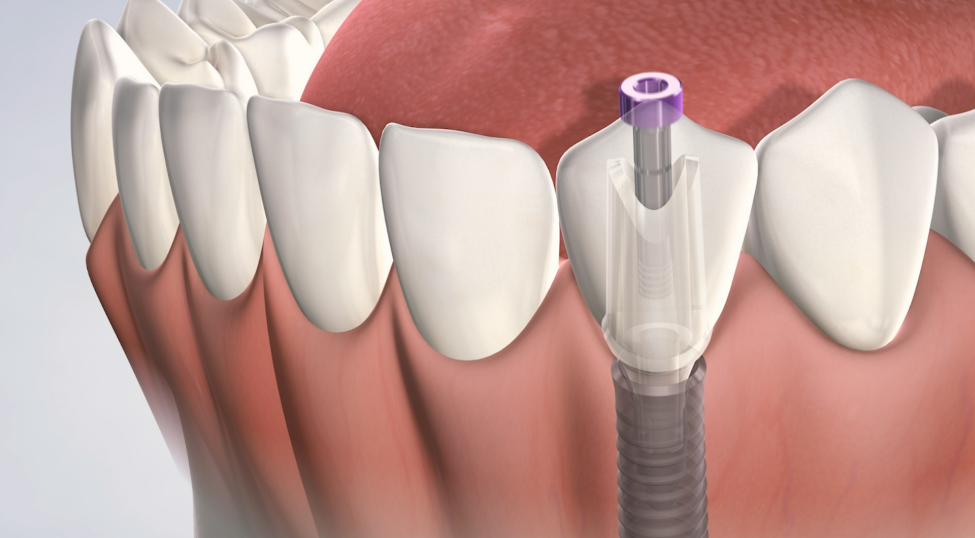
Before diving into the pain aspect, it’s essential to understand how dental implants work. The procedure involves placing a titanium post into the jawbone, which acts as an artificial root for a crown or bridge. Over time, the implant fuses with the bone in a process called osseointegration. While this may sound intense, advancements in modern dentistry ensure that the procedure is as comfortable as possible.
Those of you looking into Dental Implants in Surprise, AZ will be comforted to know that professionals use local anesthesia and sedation to keep surgery as painless as possible.
How Painful Are Dental Implants?
Each patient experiences discomfort differently. Local anesthesia will numb the area, so you will not feel anything during the surgery. While some patients feel that sedation will help allay anxiety and make for an easier experience, others can undergo the surgery in the awake state without much discomfort.
When the anesthesia begins to wear off, mild to moderate discomfort is likely. It can be compared to tooth extraction and controlled well with painkillers prescribed or even available over-the-counter like ibuprofen. Pain typically peaks within 48 hours and begins its decline within a week.
What to Expect After the Procedure
Post-surgical discomfort is common and may present differently in different individuals. The following are considered:
- Swelling: Moderate swelling is to be expected around the gums and jaw. This would peak two days after the surgery and gradually subside.
- Bruising: There may be some minor bruising, especially when there is bone grafting involved.
- Soreness: A few days of soreness at the surgical site can be treated with medication and care.
- Difficulty Chewing: Soft foods are the best to eat for the first couple of days to avoid irritation.
Pain Management Tips After Dental Implants
For easier recovery, obey the following pain-relief indications:
1. Follow the Medication Prescription
Your dentist will probably prescribe some painkillers to keep your discomfort in check. Make sure to follow the instructions given on the dosage very carefully.
2. Use Ice Packs
Using ice packs on the outside of the cheek for 15 to 20 minutes will help to lessen swelling and numb pain.
3. Eat Soft Foods
Eating soft foods like yogurt, mashed potatoes, and smoothies will prevent putting unnecessary pressure on the implant site.
4. Practice Good Oral Hygiene
Disinfecting your mouth is important to keep away the onset of any form of infection. Use a gentle approach to rinse as directed by your dentist.
5. Rest and Try Not To Strain Yourself
Letting your body heal is important, so refrain from heavy lifting or vigorous exercising for at least a couple of days.
Are Dental Implants Painful in the Long Run?
Once the healing phase is over, dental implants shouldn’t give you any pain. They are meant to mimic your natural teeth’s comfort and durability. Persistent pain or discomfort even months after the procedure might suggest a problem like infection or implant failure that requires your dentist’s urgent intervention.
Comparison between Dental Implants and other Procedures
Most of the time, the headache caused by dental implants is not above what can be caused by a tooth extraction or root canal procedure; in some instances, less intense. Thanks to modern pain-alleviating technologies, the majority deem the benefits trump temporary discomfort they might experience.
Conclusion
Dental implants are your lifetime investments in proper oral health and overall well-being. Although some pain comes with putting them in, referring to good pain management strategies when the time comes and good postoperative care will help put up with the procedure. Consult your trusted dental professional on sedation and pain management tailored to your needs if considering dental implants but are worried about pain.
Learning what to expect, and knowing proper care, would mean enjoying minor pain as you reap the long-term benefits from implants.