
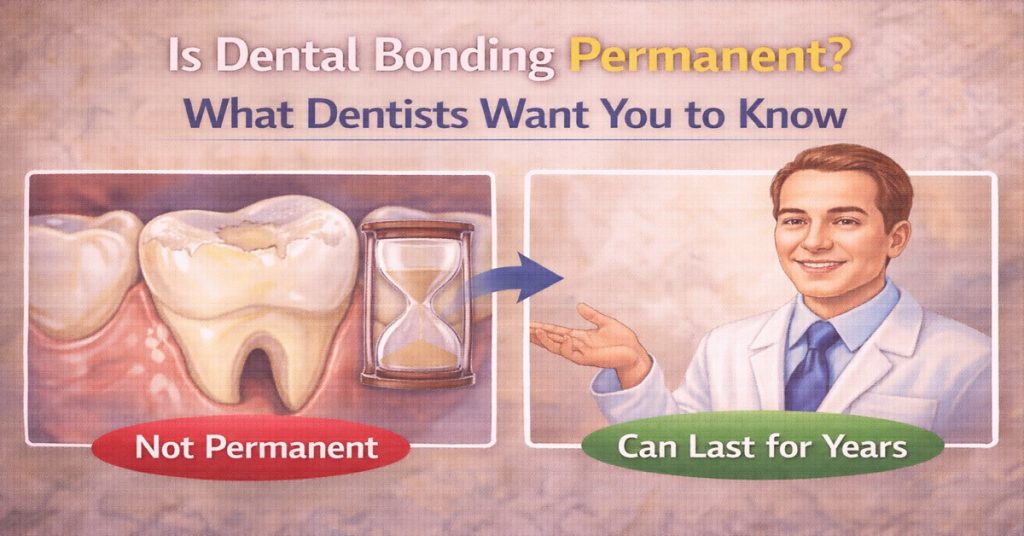
Many patients feel excited about dental bonding, yet remain unsure about how long the results last. Questions about durability, wear, and future repairs often create hesitation. We focus on providing honest guidance so patients feel confident rather than uncertain. This article explains is dental bonding permanent in a clear and supportive way.
Patients exploring Cosmetic Dentistry in Surprise, AZ often want smile improvements that feel safe and reliable. Dental bonding stands out for its simplicity and appearance. Understanding how long bonding lasts helps patients set realistic expectations.
What Dental Bonding Is and How It Works?
Dental bonding uses tooth colored composite resin applied directly to the tooth surface. The material hardens under a special curing light and bonds to enamel.
Bonding helps improve:
- Chips and cracks
- Small gaps between teeth
- Tooth shape and length
- Discoloration that whitening cannot fix
- Minor surface wear
This approach preserves natural tooth structure.
Is Dental Bonding Truly Permanent?
Patients often hear mixed opinions about permanence. Dental bonding does not last forever like crowns, yet it remains long-lasting with proper care.
When patients ask is dental composite bonding permanent, the answer focuses on durability rather than lifetime permanence. Bonding can last many years before needing repair or replacement.
A Dentist Surprise AZ explains longevity during consultations.
How Long Does Dental Bonding Typically Last?
The lifespan of bonding depends on habits, tooth location, and oral care.
Many patients experience:
- Several years of strong appearance
- Stable bonding on front teeth
- Gradual wear over time
- Occasional touch-ups
Bonding durability varies from person to person.
Factors That Affect Bonding Longevity
Several factors influence how long bonding remains intact.
Key influences include:
- Tooth location and bite pressure
- Grinding or clenching habits
- Diet choices involving hard foods
- Oral hygiene routines
- Regular dental visits
Understanding these factors helps extend bonding life.
Dental Bonding Is Permanent Versus Long-term
Some patients assume dental bonding is permanent in the same way as crowns. Bonding offers Long-term results but allows future changes.
Bonding benefits include:
- Easy repair or replacement
- Conservative tooth preparation
- Adjustable cosmetic results
- Lower Long-term commitment
This flexibility appeals to many patients.
Common Pain Points Patients Share
Patients often worry about bonding failure or repeated costs.
Common concerns include:
- Fear of bonding breaking suddenly
- Anxiety about frequent replacements
- Concern about the appearance changing
- Worry about eating restrictions
Clear education helps reduce stress.
How Dental Bonding Compares to Other Options?
Bonding often gets compared with veneers and crowns.
Comparison highlights include:
- Bonding preserves more enamel
- Veneers last longer but involve more preparation
- Crowns offer strength for heavy bite areas
- Bonding allows easier modification
Each option serves different goals.
Where Dental Bonding Works Best?
Bonding works best in specific situations.
Ideal uses include:
- Front teeth cosmetic changes
- Minor chips and cracks
- Small gaps
- Color correction
- Gum line coverage
Back teeth experience higher wear.
How to Make Dental Bonding Last Longer?
Daily habits greatly affect the lifespan.
Helpful habits include:
- Gentle brushing twice daily
- Flossing around bonded teeth
- Avoiding biting hard objects
- Wearing night guards if grinding occurs
- Visiting the dentist regularly
These steps protect bonding integrity.
Signs Bonding May Need Repair
Bonding shows signs before failure.
Watch for:
- Rough edges
- Color changes
- Chips or cracks
- Bite discomfort
- Surface wear
Early repair keeps results strong.
Emotional Confidence and Dental Bonding
Bonding offers emotional relief for many patients. A confident smile supports daily interactions.
Patients often feel:
- Comfortable smiling in photos
- Relaxed during conversations
- Satisfied with natural results
- Proud of smile improvements
These benefits matter deeply.
Preventive Strategies for Long-term Success
Prevention supports bonding longevity.
Preventive steps include:
- Limiting stain-causing foods
- Managing teeth grinding
- Using mouth guards during sports
- Maintaining gum health
- Attending routine exams
Consistency protects results.
When to Consider Other Treatments?
Bonding suits many cases, but not all. Dentists recommend alternatives when durability matters more.
Other options may suit:
- Heavy bite pressure areas
- Extensive tooth damage
- Long-term structural support needs
Dentists guide patients toward the best fit.
Conclusion
Dental bonding offers reliable and attractive results when expectations stay realistic. Understanding is dental bonding permanent helps patients feel informed and confident. At Surprise Dental, we guide patients through bonding decisions with honesty and care.
Scheduling a consultation allows our team to evaluate smile goals, discuss longevity, and recommend the best approach. A confident smile begins with trusted guidance and informed choices.