
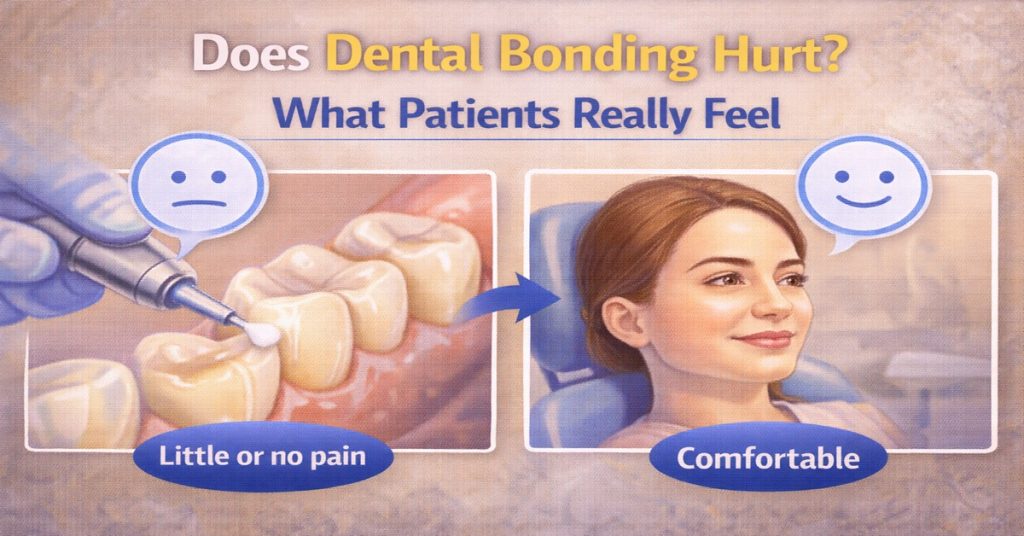
Many people feel nervous before any dental treatment, especially cosmetic care. One of the most common concerns sounds simple yet emotional. Does dental bonding hurt, and what will the experience feel like in the chair? We guide patients with calm explanations that replace fear with confidence.
Patients exploring Cosmetic Dentistry in Surprise, AZ often want smile improvement without discomfort. Dental bonding attracts attention for fast results and conservative care. Understanding real sensations helps patients feel prepared and relaxed.
What Dental Bonding Is and Why Patients Choose It?
Dental bonding uses tooth colored resin to repair chips, close gaps, reshape edges, or improve discoloration. The material bonds directly to enamel and hardens with a curing light. This approach preserves natural tooth structure and supports cosmetic goals.
Patients often choose bonding for reasons such as:
- Fast treatment completed in one visit
- No drilling in many cases
- Natural appearance that blends with enamel
- Affordable cosmetic enhancement
- Minimal recovery time
Bonding focuses on comfort and simplicity.
Does Dental Bonding Hurt During the Procedure?
The question does dental bonding hurt? comes up in nearly every consultation. Most patients report little to no pain during the procedure. Bonding typically avoids needles, drilling, and deep enamel removal.
A Surprise Dentist evaluates sensitivity levels before starting. If a tooth shows sensitivity or decay, light numbing may be used. Many bonding cases need no anesthesia at all.
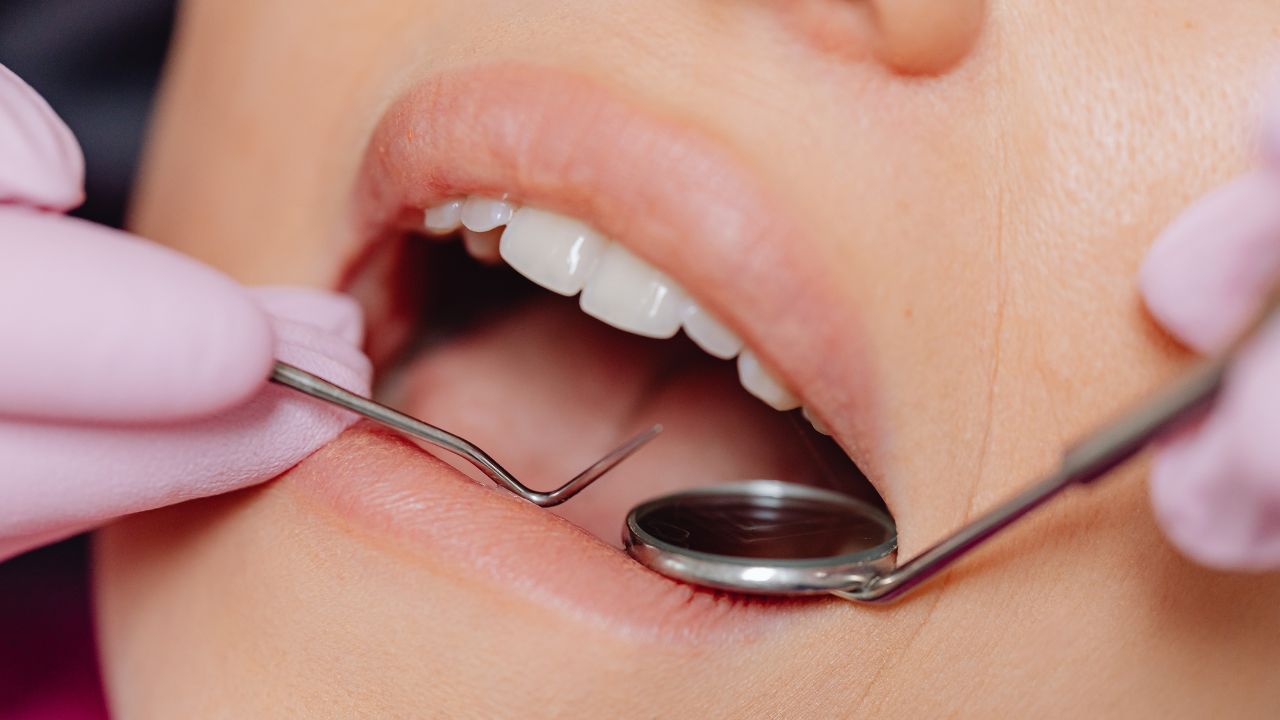
What Patients Feel Step by Step?
Understanding sensations helps reduce anxiety. Dental bonding follows a gentle sequence.
Patients may feel:
- Mild pressure from shaping the resin
- Air or water spray during preparation
- Light warmth from the curing light
- Normal mouth positioning during placement
These sensations feel manageable and brief for most people.
Why Dental Bonding Feels Different From Other Treatments?
Bonding differs from crowns or fillings. The process works on the tooth surface rather than the deep layers.
Comfort stays high since:
- Enamel removal stays minimal
- No nerve involvement occurs
- No drilling vibration happens
- The resin material stays lightweight
This approach supports a calm experience.
Pain After Dental Bonding: What to Expect
After treatment, most patients return to their daily routines right away. Some notice mild sensitivity when biting or touching the bonded area.
Common short-term feelings include:
- Slight tooth sensitivity to temperature
- Awareness of the bonded edge
- Minor gum tenderness near the site
These sensations fade quickly for most patients.
Pain Points That Worry Patients the Most
Patients often worry about pain before treatment rather than during it. Fear builds from past dental experiences or online myths.
Common emotional concerns include:
- Fear of needles
- Worry about drilling sounds
- Anxiety about jaw soreness
- Concern over long appointments
Clear explanations reduce these worries significantly.
How Do Dentists Keep Dental Bonding Comfortable?
Comfort planning starts before treatment begins. Dentists use gentle techniques and constant communication.
Comfort-focused steps include:
- Explaining each step before it happens
- Checking comfort throughout the visit
- Using numbing gel if sensitivity appears
- Shaping resin carefully to avoid pressure
Patient comfort remains a top priority.
Dental Bonding Compared to Other Cosmetic Treatments
Patients often compare bonding with veneers or crowns. Bonding stands out for comfort and simplicity.
Bonding comfort benefits include:
- Less invasive technique
- Shorter chair time
- No temporary restorations
- No lab wait time
These factors help patients feel relaxed.
Who May Feel Slight Sensitivity?
A small group may feel mild sensitivity during bonding. This often relates to existing tooth conditions.
Sensitivity risk increases with:
- Enamel wear
- Gum recession
- Existing tooth decay
- Recent whitening treatments
Dentists adjust care plans for each situation.
Tips to Stay Comfortable After Dental Bonding
Simple habits support comfort after treatment.
Helpful tips include:
- Avoid biting hard foods on bonded teeth
- Choose softer foods for the first day
- Maintain gentle brushing habits
- Report sensitivity that lasts beyond a few days
These steps support smooth recovery.
Emotional Confidence After Dental Bonding
Beyond physical comfort, bonding offers emotional relief. Patients often feel proud of their smile improvements.
Positive feelings include:
- Confidence smiling in photos
- Comfort speaking in public
- Satisfaction with natural results
- Relief from cosmetic concerns
This emotional benefit matters deeply.
When to Contact the Dental Office?
Most patients feel normal quickly. Contact the dental team if discomfort persists.
Reach out if:
- Sensitivity lasts longer than expected
- The bite feels uneven
- Bonded area feels rough
- Gum irritation appears
Early adjustment keeps results comfortable.
Conclusion
Worry about pain should never block smile confidence. Understanding does dental bonding hurt helps patients feel calm and informed. At Surprise Dental, we guide every bonding visit with compassion and clarity.
Scheduling a consultation allows our team to explain options, address concerns, and create a comfort-focused plan. A confident smile begins with trust and supportive care.