
Patients often arrive with one main worry in mind. They want calm dental care without losing control for too long. Many ask how long does dental sedation last? That question reflects both safety and daily routine needs. Our role stays focused on offering steady answers that replace fear with calm facts.
At Sedation Dentistry in Surprise, AZ, patients often arrive with tight shoulders, fast breathing, and racing thoughts. Sedation helps the body settle so care may move forward without panic. Still, duration remains one of the strongest concerns. Time, alertness, and recovery all shape that concern in a very real way.
What Dental Sedation Means for Time and Awareness?
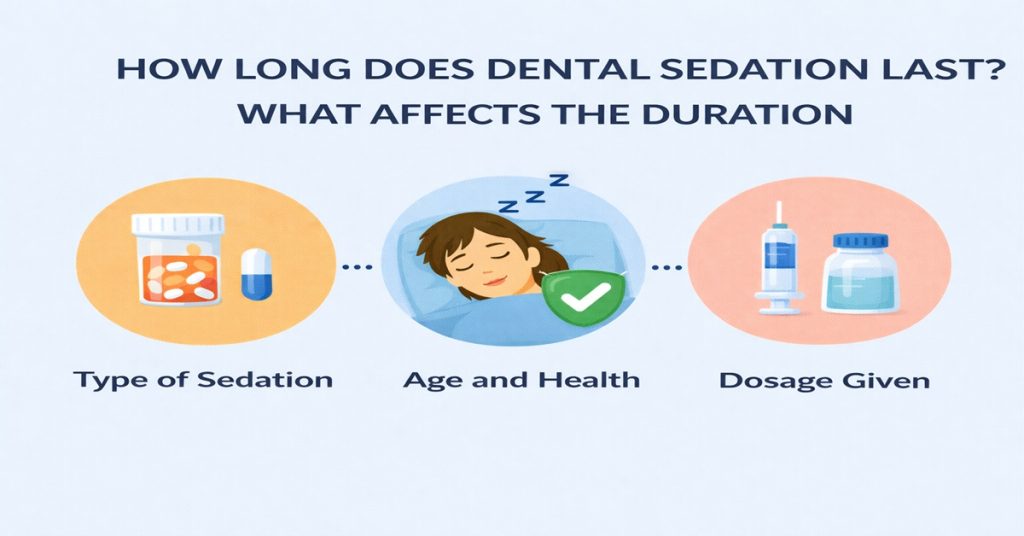
Dental sedation refers to medicine that guides the nervous system into a calm state during care. The length of that calm state changes based on the kind of sedation used, the dose, and the body’s response. Each type follows its own time pattern that patients should know before the care day.
Sedation never stays permanent. The body clears the medicine through natural organ work. Heart rate, breathing rhythm, and mental alertness return in stages. For many patients, this slow return feels gentle and safe rather than sudden.
Why Sedation Duration Differs From One Person to the Next?
A Dentist Surprise team often explains that no two bodies clear medicine at the same pace. Many factors shape how long sedation effects remain active.
- Body weight
- A larger body mass may hold medicine longer in fat tissue.
- A smaller frame may clear medicine at a faster rate.
- Age
- Younger adults often process medicine with quicker liver flow.
- Older adults may feel longer.
- Metabolism speed
- A fast resting pulse often links with faster medicine clearance.
- A slower pulse may link with longer calm effects.
- Daily medicine intake
- Sleep aids, blood pressure pills, and anti-anxiety tablets may slow clearance.
- Type of dental procedure
- Short cleanings require less sedation than long surgical care.
These points explain why two people with the same sedation form report different recovery times.
How Long Does Each Type of Dental Sedation Last?
Patients gain the most peace when they know what to expect from each sedation option. These time ranges reflect a common patient experience.
Nitrous Oxide Sedation Duration
Nitrous oxide works through a nose mask and enters the lungs. The brain feels calm within minutes.
- The calm effect begins within three to five minutes.
- Full, relaxed state stays active only during mask use.
- Alert feeling returns within five to ten minutes after mask removal.
- Driving often feels safe after a short rest period.
This option fits short visits and mild fear.
Oral Sedation Duration
Oral sedation uses a pill taken before the procedure. The calm state forms slowly.
- Drowsy feeling begins within thirty to sixty minutes.
- Peak calm often lasts two to four hours.
- Sleepy after effects may stay six to eight hours in some adults.
- Driving stays restricted for the full visit day.
This option fits longer visits with moderate fear.
IV Sedation Duration
Many patients ask how long does dental iv sedation last during deeper procedures. IV medicine enters the bloodstream directly.
- Calm state begins within one to three minutes.
- Deep relaxation stays active as long as the medicine flows.
- After the flow stops, alertness returns in stages across one to three hours.
- Full mental sharpness often returns by the next day.
This option fits long visits and strong dental fear.
The Question Patients Ask Most Often
The most repeated concern remains this one, written by many patients with nervous hands and a fast pulse. How long does dental sedation last? This question reflects fear of losing time and control. The answer always rests on the sedation form used and the body’s response on that visit day.
No sedation form locks the patient into an unknown time span without care planning. Every plan stays guided by real-time monitoring and slow dose control.
Pain Points That Connect to Sedation Duration
Patients worry about several life factors linked to sedation timing.
- Work schedule
- Many fear missing a full workday.
- Child care needs
- Many fear loss of alert care ability for children.
- Travel needs
- Many fear safe driving after care.
- Mental control
- Many fear loss of awareness for too long.
These life needs guide sedation form choice and visit timing.
How Does the Dental Team Plan Sedation Time With Care?
Sedation time never stays random. It follows careful planning.
- Review of health history
- Review of daily medicine intake
- Review of fear level and past dental stress
- Review of visit length and care steps
These data points shape the sedation time plan in a calm and safe manner.
What Does the Body Feel During Sedation Wear Off?
Sedation fade rarely feels harsh. Most patients feel a soft return to alertness.
- Eyes open slowly
- Speech feels thick at first
- Legs feel heavy for a short time
- Balance feels off for early steps
These signs fade as the medicine leaves the system through natural organ work.
What Helps Shorten Sedation Recovery Time?
Patients may support a faster return to alert feeling through simple care steps.
- Drink water in small, steady sips
- This supports kidney flow and medicine clearance.
- Eat light food after approval
- This helps blood sugar remain stable.
- Rest in a quiet room
- This limits sensory overload during recovery.
- Avoid strong light for the first few hours
- This reduces the risk.
These habits shorten lingering drowsy feelings in many adults.
How Sedation Duration Affects Daily Planning?
Knowing sedation time helps families shape care days.
- Nitrous oxide visits allow a quick return to routine tasks.
- Oral sedation needs a full day of rest and ride support.
- IV sedation needs a full rest day with adult supervision.
These plans protect patient safety and family routine at the same time.
Sedation Duration and Memory After the Visit
Time under sedation does not match the memory of that time. Many patients remember little of the visit, even when sedation lasted hours. This feeling often adds relief for those with dental fear tied to sound and pressure memory.
When to Contact the Dental Office After Sedation?
Certain signs should lead to a follow-up call.
- Severe nausea lasting many hours
- Chest tightness
- Trouble breathing
- Confusion that fails to clear
These signs remain rare. A call allows safe guidance with calm support.
Emotional Comfort After Knowing the Time Range
Fear often grows from unknown outcomes. Knowledge of sedation time builds trust. Trust steadies the mind. A steady mind eases body stress even before medicine enters the system. This mental calm shapes a smoother visit, resulting in many adults.
How Sedation Duration Links With Care Quality?
Calm patients hold still more easily. Still, patients allow for more precise care. Precise care leads to stronger dental results. Strong results support comfort over the long term. Sedation duration thus links with both safety and outcome quality at the same time.
Conclusion
Worries about time under sedation feel valid and human. Questions such as How long does dental sedation last? And how long does dental IV sedation last? Reflect care for safety, family routine, and body control. These questions deserve calm answers built on real experience.
At Surprise Dental, our team guides each patient through sedation planning with steady care and time clarity. A scheduled visit allows a private talk about sedation type, expected duration, and safe recovery steps. A calm conversation may shape a calm dental visit with comfort, safety, and confidence. Schedule a consultation and allow our team to guide each step with steady support.