
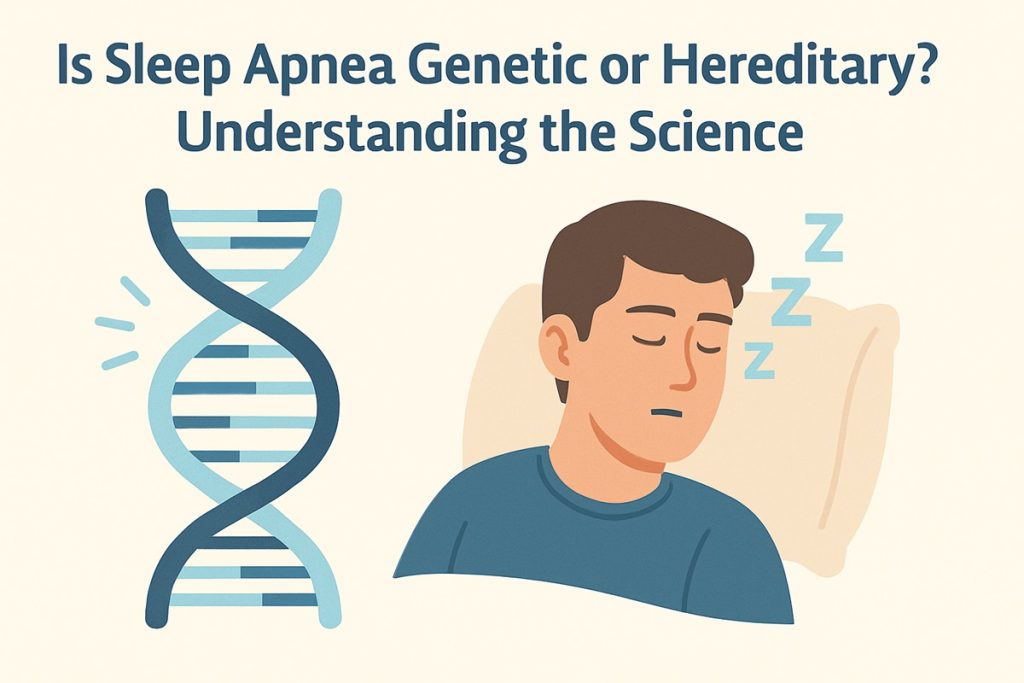
Sleep should be a time of restoration and peace. But for many individuals and their families, breathing interruptions during rest bring stress, worry, and exhaustion. If you’ve found yourself asking, Is sleep apnea genetic, you’re not alone. Concern often grows when someone close, perhaps a parent, sibling, or child, shows similar signs. At Surprise Dental, our team often hears from patients worried about whether sleep apnea runs in their family.
Sleep disorders affect health in ways that reach far beyond just feeling tired. From interrupted rest to serious long-term risks, the effects ripple into daily life. Learning about the connection between sleep apnea and genetics provides not only clarity but a sense of direction. Whether you’re facing your own diagnosis or worried about loved ones, understanding the roots of the issue is the first step to regaining confidence and control.
Is Sleep Apnea Commonly Inherited?
Sleep apnea is more than just loud snoring. It’s a condition where breathing stops and starts during sleep. This can result from blocked airways (obstructive sleep apnea) or communication issues between the brain and muscles (central sleep apnea).
One question we often receive is, Is sleep apnea genetic or hereditary? The answer involves a mix of genetic influence, environmental conditions, and physical structure. People who have family members with sleep apnea face a higher chance of developing it themselves. At our clinic, we specialize in diagnosing and treating Sleep Apnea in Surprise, AZ, helping patients understand their risks and find effective solutions.
This connection can be traced to shared traits that influence airway anatomy, such as:
- Narrow jaws or recessed chins
- Enlarged tonsils or adenoids
- Deviated septum or chronic nasal congestion
- Body composition and fat distribution
If a close family member has been diagnosed, there’s a strong reason to be proactive, especially for children or siblings showing early warning signs.
The Genetic Link: How Family History Can Shape Breathing Patterns
Genetics don’t always dictate your future, but they do set a foundation. Research shows that the risk of developing obstructive sleep apnea increases when a parent or sibling has the condition. That’s because traits influencing upper airway muscle tone, craniofacial structure, and even hormonal regulation can be inherited.
Here are a few traits with close connections:
- Neck circumference and airway flexibility
- Tongue positioning
- Jaw alignment and mouth structure
These genetic features increase the chance of airway collapse during sleep. If multiple relatives snore or struggle with sleepiness during the day, it may not be a coincidence.
But it’s not only about inherited shape or build. Conditions like obesity, insulin resistance, and thyroid dysfunction, which can also have familial tendencies, may make someone more vulnerable. These traits have high cosine similarity with sleep apnea due to their combined impact on breathing rhythm and oxygen levels.
Concerns About Daily Life: How Genetic Risk Feels Real
If you’re worried about your child struggling in school, a partner gasping during sleep, or feeling exhausted even after eight hours of rest, the concern is very real. Fatigue affects everything from job performance to mood and relationships.
Many patients tell us they feel helpless, especially when someone they love is affected. It’s not just about snoring. The risk of high blood pressure, type 2 diabetes, heart disease, and even stroke increases with untreated sleep apnea.
That’s why knowing if sleep apnea is genetic matters. It helps you take steps earlier, not later. Prevention is easier than repair, especially when it comes to oxygen intake and neurological function.
What Can Be Done? How Our Dentist Can Help You Breathe Easier
At our Surprise Dental location, we see many families seeking clarity about hereditary sleep apnea. For patients with genetic risk, the focus shifts to early detection, monitoring symptoms, and preventing complications. As a trusted Surprise Dentist, we’re committed to helping patients understand the connection between family history and sleep apnea, offering personalized care to manage and reduce risks early.
We often begin with these steps:
- Detailed family history screening
- Assessment of breathing during sleep
- Oral and airway evaluations to check for structural traits
- Non-invasive imaging for jaw and sinus health
- Discussion of lifestyle habits that may worsen symptoms
If needed, we provide custom oral appliances that reposition the jaw to maintain airflow, a popular choice for those wanting to avoid bulky machines. For some, CPAP therapy or further testing with sleep specialists may be advised.
Practical Tips to Reduce Risk, Even With Family History
Even when sleep apnea runs in families, action can lower the odds or ease the severity. Lifestyle plays a big part in this. Here’s how you can take control:
Maintain a Healthy Weight
Fat accumulation around the neck and chin increases airway pressure. A balanced diet and regular movement reduce that strain.
Sleep on Your Side
Back sleeping often leads to tongue and soft tissue collapse. Side sleeping helps keep airways open naturally.
Avoid Alcohol Before Bed
Alcohol relaxes throat muscles, making it more likely for airways to close. Limiting intake, especially in the evening, keeps breathing more stable.
Keep Nasal Passages Clear
Using a saline rinse or allergy treatment can improve airflow if nasal congestion is a problem.
Monitor Sleep Symptoms in Children
Look for signs like mouth breathing, nighttime restlessness, daytime fatigue, or behavioral issues. Early evaluation can prevent long-term struggles.
When to Seek Help for Sleep Apnea in Your Family
Recognizing the signs early helps protect long-term health. If you’re experiencing symptoms like choking or gasping during sleep, morning headaches, or constant tiredness, don’t wait to bring it up. And if your child snores regularly or struggles with attention during the day, that’s reason enough to check.
Knowing that sleep apnea can be hereditary allows you to make smart choices sooner. The condition may run in families, but how it’s managed depends on taking the right steps with the right support.
You Don’t Have to Face Sleep Apnea Alone
Sleep apnea doesn’t need to define your nights or your days. Whether you’re looking into your own symptoms or worried about a loved one, help is here. At Surprise Dental, our caring team works with you to find answers, offer gentle guidance, and provide effective care options.
Let’s take the guesswork out of sleep and replace it with confidence. Book a consultation today and discover how to sleep better, breathe easier, and protect your family’s health for years to come. We’re here, ready to help.