
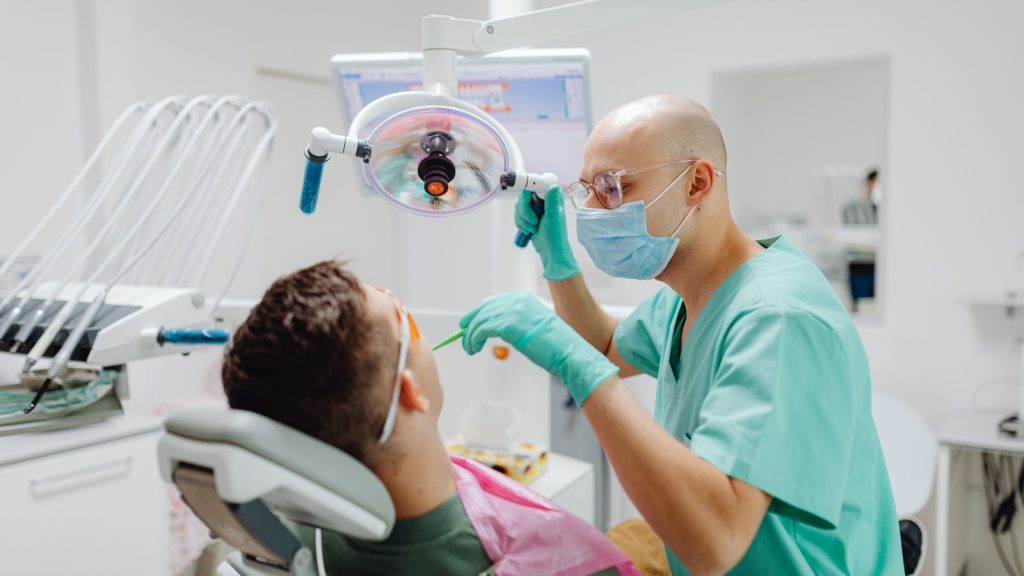
Understanding Dental Anxiety and Sedation Options
Feeling nervous about dental treatment? You’re not alone. Many people avoid essential care due to fear or discomfort. Fortunately, sedation techniques can help create a more relaxed experience. Whether you need a simple cleaning or a complex procedure, there’s a solution to fit your needs.
Our team understands the importance of comfort and safety, offering options that make visits easier. If you’re searching for a Dentist Surprise, rest assured that sedation can help you receive the care you need without stress.
What Is Dental Sedation?
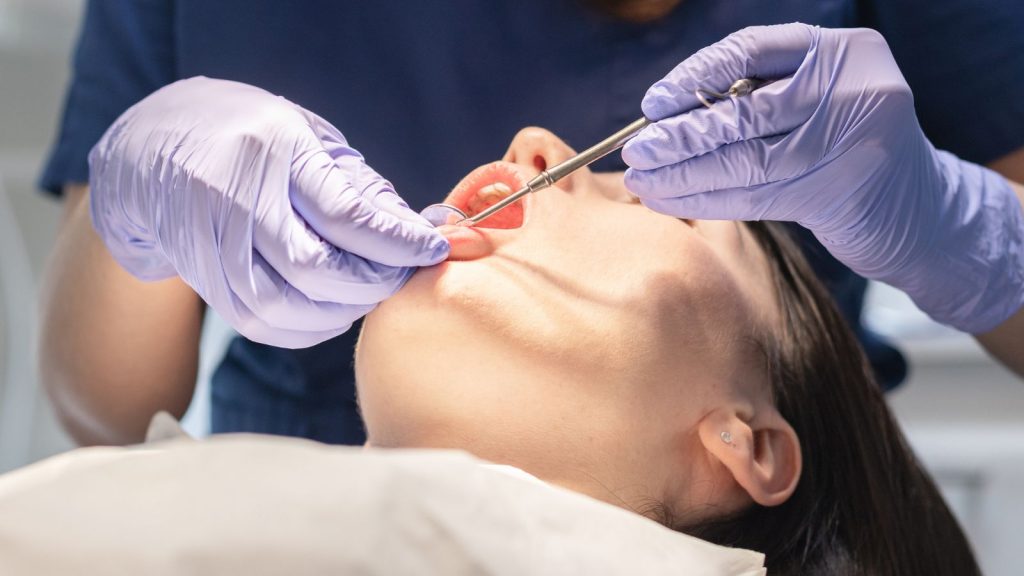
Dental sedation helps patients feel calm and comfortable during procedures. It can range from mild relaxation to deeper sedation, depending on individual needs. These methods are safe when administered by trained professionals and are commonly used for:
- Patients with dental anxiety or fear
- Individuals with a strong gag reflex
- Those undergoing lengthy procedures
- Patients with difficulty sitting still for extended periods
Understanding the different types of dental sedation can help you decide which option is best for your needs.
Types of Dental Sedation
There are multiple ways to help patients feel comfortable during treatment. The right option depends on factors like anxiety levels, medical history, and the type of procedure being performed.
1. Nitrous Oxide (Laughing Gas)
- A mild sedative inhaled through a mask
- Creates a relaxed, light sensation
- Effects wear off quickly after treatment
- Suitable for mild anxiety and routine procedures
2. Oral Sedation (Pill or Liquid Form)
- Taken before the appointment to induce relaxation
- Creates drowsiness but allows patients to remain responsive
- Can range from mild to moderate sedation
- Effects may last for a few hours, requiring transportation assistance
3. IV Sedation
- Administered directly into the bloodstream for deeper relaxation
- Works quickly and allows for precise dosage control
- Patients may feel drowsy and remember little from the procedure
- Ideal for moderate to severe anxiety or complex treatments
4. General Anesthesia
- Induces complete unconsciousness for major procedures
- Used for patients with severe dental fear or those undergoing extensive surgery
- Requires careful monitoring by a trained professional
For those interested in professional care, Sedation Dentistry in Surprise, AZ offers a variety of options to ensure a comfortable experience.
Addressing Common Concerns
Many patients worry about the safety and effects of sedation. Here are some common concerns and how they are managed:
1. Is Dental Sedation Safe?
Yes, when administered by trained professionals, dental sedation is safe. The type and dosage are carefully selected based on individual health conditions and medical history.
2. Will I Feel Any Pain?
Most sedation methods help minimize discomfort. Local anesthesia is often combined with sedation to ensure a pain-free experience.
3. How Long Do the Effects Last?
The duration depends on the type of sedation used. Nitrous oxide wears off quickly, while oral and IV sedation can take a few hours to fully leave the system.
4. Do I Need Someone to Drive Me Home?
For oral, IV, or general anesthesia, transportation assistance is required. Nitrous oxide allows patients to resume normal activities soon after treatment.
Choosing the Right Sedation for You
Selecting the best sedation method depends on:
- The level of anxiety experienced before treatment
- The complexity and duration of the procedure
- Any pre-existing medical conditions
- Personal preferences regarding awareness and recovery time
A consultation with a dental professional can help determine the most suitable option for a comfortable experience.
Preparing for a Sedation Dentistry Visit
To make the most of your visit, follow these preparation tips:
- Discuss Medical History: Provide details about any medications or health conditions.
- Follow Fasting Guidelines: Some forms of sedation require fasting before the appointment.
- Arrange Transportation: Plan for a responsible adult to assist if needed.
- Wear Comfortable Clothing: Loose clothing makes monitoring vital signs easier.
- Plan Rest Time: Some sedatives may cause drowsiness, so take it easy for the rest of the day.
Maintaining Good Oral Health After Sedation Dentistry
Sedation can make treatments easier, but long-term oral health relies on consistent care. Keep your teeth and gums healthy with these simple steps:
- Brush and floss daily to prevent cavities and gum disease.
- Stay hydrated to support overall oral health.
- Schedule regular dental visits to catch potential issues early.
- Follow any aftercare instructions provided by your dentist.
Take the First Step Toward Stress-Free Dental Care
Dental visits don’t have to be stressful. With sedation options available, there’s no need to let fear prevent you from getting the care you deserve. Whether you need a routine cleaning or a complex procedure, a comfortable and relaxed experience is possible.
If you’re ready to explore sedation options and enjoy worry-free dental care, schedule a consultation today. A professional team is here to guide you through the process and help you achieve a healthy, confident smile.