
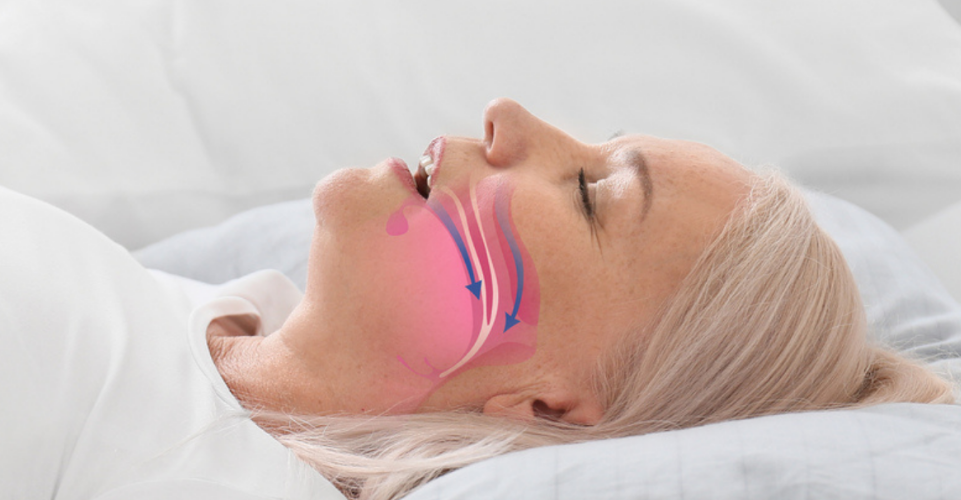
Sleep apnea is a condition that could pose a serious threat to health, affecting millions of people across the beautiful world. It happens when breathing repeatedly stops and starts during sleep. Obstructive sleep apnea is the most prevalent type. In most cases, patients with sleep apnea have no idea that they are sick, given that its symptoms are mostly mild or ignored as signs of other health issues. Sleep apnea disorders can become detrimental if left untreated, and the health implications could lead to serious complications like heart disease, hypertension, and daytime fatigue. If you are experiencing loud snoring, disrupted sleep, or excessive alertness during the day, a professional examination is vital to confirm a diagnosis and initiate possible treatment avenues. A Dentist Surprise AZ will offer great guidance toward the effective management of your condition.
Common Indicators and Symptoms of Sleep Apnea
Identifying sleep apnea presents the biggest challenge in having its symptoms classified. Symptoms are mostly present during sleep, making the affected individual oblivious of their occurrence. However, should you or a loved one experience any of the following, sleep apnea could be suspected:
1. Loud Snoring
Loud and chronic snoring is one of the most frequently reported symptoms of sleep apnea. It must be noted that simply snoring does not mean you have sleep apnea. The problem arises when the loud snores are accompanied, or followed by, choking or gasping sounds while asleep.
2. Stops Breathing During Sleep
This is a classic sign of sleep apnea seen in other people person can be observed during sleep to have stopped breathing for a brief period. These interruptions, called apnea, last anywhere from a few seconds to over a minute before normal breathing resumes again.
3. Gasping or Choking During Sleep
If you wake up abruptly while choking for air, it could be a sign of sleep apnea. Such episodes occur when an airway is partially or completely blocked, causing a drop in oxygen saturation.
4. Excessive Daytime Sleepiness
Excessive daytime sleepiness despite good sleep at night might be a wake-up call that something is wrong. Sleep is often fragmented, failing to offer the body with restoration it needs.
5. Concentration Issues and Memory Problems
Sleep deprivation due to sleep apnea can inherently impair memory and cognitive function. Memory lapses, inability to concentrate, and delayed reflexes may result.
6. Morning Headaches
Frequent morning headaches are another rather typical symptom of sleep apnea. These headaches are caused by low oxygen levels and broken sleep patterns.
7. Dry Mouth and Sore Throat
A lot of sleep apnea sufferers during sleep keep their mouth open and breathe, leading to dry mouth and sore throats in the morning.
8. Irritability and Changes in Mood
Sleep apnea affects emotional well-being. Because of bad sleep, people feel irritated, anxious, or depressed.
9. Elevated Blood Pressure
Hypertension is associated with untreated sleep apnea. These continual interruptions of breathing may put undue stress on the cardiovascular system and create increases in blood pressure.
10. Insomnia or Restless Sleep
Some sleep apnea patients suffer from insomnia characterized by difficulty falling asleep or staying asleep. Common are the problems of continual awakenings, tossing and turning, or waking up unrefreshed.
Sleep Apnea in Surprise, AZ: When to Seek Help
If you think you might have sleep apnea, seeking medical assistance is crucial. People who are seeking medical assistance and living with Sleep Apnea in Surprise, AZ can consult a sleep specialist for sleep medicine to explore treatment options. A proper examination may include a sleep study, where oxygen levels, breathing patterns, and other sleep-related data are monitored.
Diagnosing and Treating Sleep Apnea
Diagnosis of sleep apnea involves the following by a healthcare professional.
- Polysomnography (Sleep Study): An overnight sleep test in a sleep clinic to monitor brain wave activity, breathing, and oxygen level functioning.
- Home Sleep Apnea Test: A portable device that records abnormalities in the way you breathe while sleeping at home.
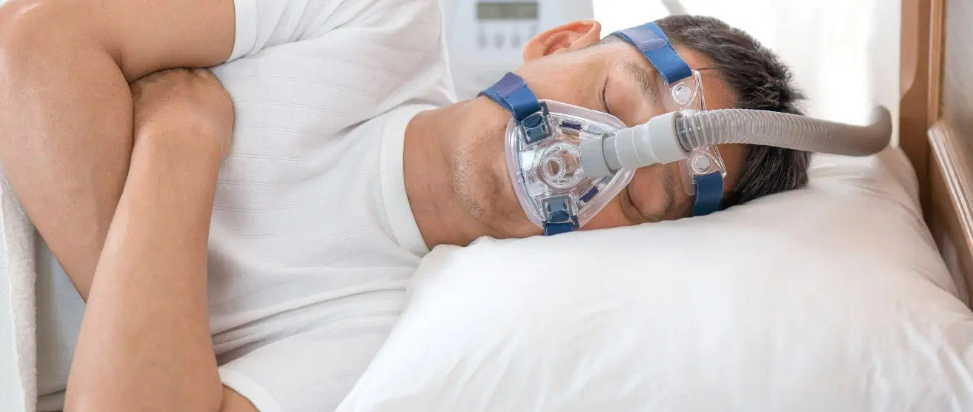
- Continuous Positive Airway Pressure (CPAP): The machine delivers air by pressure through a mask, to keep airways open when sleeping.
- Oral Appliances: Custom-fitted devices that keep the airway open and are mostly given by dentists.
- Lifestyle Change: Weight management, stopping smoking, and avoiding alcohol reduce some of the symptoms of sleep apnea.
- Surgical Methods: Surgery may be necessary in severe cases to remove obstructions or reposition the jaw.
Conclusion
Early recognition of the signs of sleep apnea can avert serious health complications. If you notice loud snoring, breathing pauses with sleep, excessive daytime drowsiness, or other warning signs, see a healthcare professional for an accurate diagnosis and treatment. Taking action may lead to better sleep and health quality and thus lead to a better and energized life.