
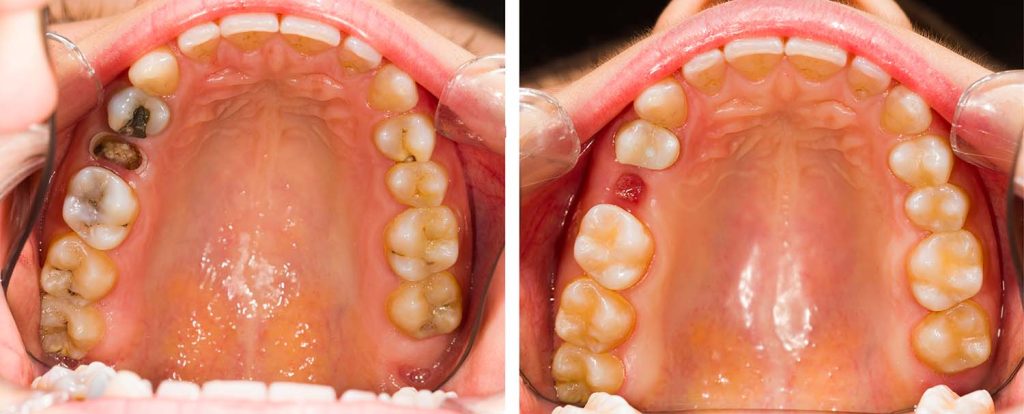
Recovery from a tooth extraction can be a crucial moment in your oral health journey that entails significant changes. If you have an acute dental injury or you need your wisdom teeth removed, the first question you’ll probably ask yourself is how long it will take for your gums to fully get back to normal and when you will be able to resume your daily activities. It’s understandable that after a tooth extraction you will want to know whether you can go to the bar tonight or if you can even eat the same foods as usual. If you have visited a Surprise Dentist, for a tooth extraction procedure, or you have had professional dental advice, you may already know that proper aftercare is the key to quick healing and maximal comfort during the first couple of days.
The healing process of patients is characterized by various phases and milestones, although the duration of each stage considerably differs from a person to another based on factors such as the extraction time and difficulty and the overall health of the patient. In this blog post, we will review the various aspects of the gum healing process, its anticipated duration, and how to use the mouthwash in a way that helps you clean your mouth properly and be healthy during the recuperation process.
A tooth extraction usually involves removing teeth that are too severely damaged for rehabilitation, those that are impacted, or teeth that would endanger your overall oral well-being if they are not treated. The operation may appear intimidating but in general, the methods used today minimize the unpleasantness and promote rapid healing times. Nonetheless, the rate of restoration depends solely on the carefulness with which you observe the doctor’s recommendations, the replacement power of your body, and the current state of your gums. Healing becomes faster and more efficient with the expectations already in place and thorough knowledge of the requirements on your part.
Being patient with the healing process is paramount. The formation of an initial blood clot in the socket is the body’s method of providing protection and regenerating soft tissue thereby. The extraction’s completion usually occurs at this stage of the healing process. During recovery, the use of some specific foodstuffs and oral hygiene techniques may not be permitted for a limited period of time and thus to ensure the protective clot remains intact dentists can give information or guidance. Not being able to protect the clot can lengthen the course of healing and, in certain instances, can also lead to problems such as the dry socket that can take considerable time and cost additional dental aid to alleviate discomfort with it.
By gradually bringing back the normal oral habits of brushing and flossing around the extraction site, you will be able to assist the body in its process of healing. Furthermore, one must be able to understand that activities such as smoking cigarettes and drinking from a straw can also affect the recovery process in the mouth. The following section will discuss the various stages of the healing process and what to expect during each of them.
How Long Does it Take for your Gums to Heal After a Tooth Extraction
Through gradual reintroduction of brushing and flossing around the extraction site, you can speed up the healing process. Other activities such as smoking before drinking through a straw should be avoided since they are also known to impede the healing process. First off, we will examine the various phases of recovery along with the factors affecting each time frame.
In the standard range, after-treatments are quite simple cases that include simple removal of the teeth, and most people see that healing is quick. Within the first 24 hours, the body naturally acts to close off the empty tooth socket by forming a blood clot. This blood clot serves a protective purpose for the underlying bone and nerve endings which is the foundation for the new tissue and bone formation.
After a couple of days, the swelling of the gums that may occur usually gets better on its own. Of course, there are measures that you can take to lessen discomfort, including taking the prescribed pain medication (if needed), using ice packs to reduce swelling, and following any rinsing or cleaning instructions provided by your dentist, such as herbal rinses and medicated rinses. A layer of soft tissue will usually start forming in the extraction site by the end of the first week. This soft tissue will help the gums look and feel healthier as each day passes.
Chewing normally, fully returned to normal chewing on that side of the mouth can take some time which can be around two weeks but many people can feel very much like they were before the accident even earlier so it is a good idea to follow the prescribed instructions. Do remember that there are times when your dentist will recommend a follow-up visit to check that everything is going along according to plan. During that visit, the dentist will check the mentality of the socket, look for any signs of infection or any other problems, and will give you the approval to go back to your normal oral care habits.
How Long Does it Take for your Gums to Heal After Tooth Extraction
In some cases, the healing process can vary based on considerations like how many teeth are removed or the extent of existing gum disease. If you had many teeth removed at the same time, it may take longer for healing to be complete. Also, those who have pre-existing periodontal conditions or those with a lowered immune system could take a longer time to have their gums heal.
Usually, the timeline for critical healing events such as clot formation and the initial stages of tissue repair is pretty much the same: Within hours, a clot is formed, within a few days the swelling goes down, and within the first one or two weeks, the gum closes very clearly. However, less obvious healing, especially if the extraction site requires added bone or tissue to regenerate, can continue for several weeks or even months below the gum surface. You may not see these deeper changes, but as your body is working hard to restore it, they are in fact taking place.
It is very important to keep a general oral health regimen in place that has elements like gentle teeth cleaning to guarantee the healthiest and most immediate gum repair. Use a toothbrush that has soft bristles to clean the teeth neighboring the extraction site carefully without harming the healing area. If your dentist advises lukewarm salt water rinses opt for them as this will help you keep the area clean with no agitation. Keep your mind alert about your food and avoid all the hard, crunchy, or sticky foods which can lead to annoyance of the extraction site or dislodging the healing clot.
How Long Does it Take for Gums to Heal After Wisdom Tooth Extraction
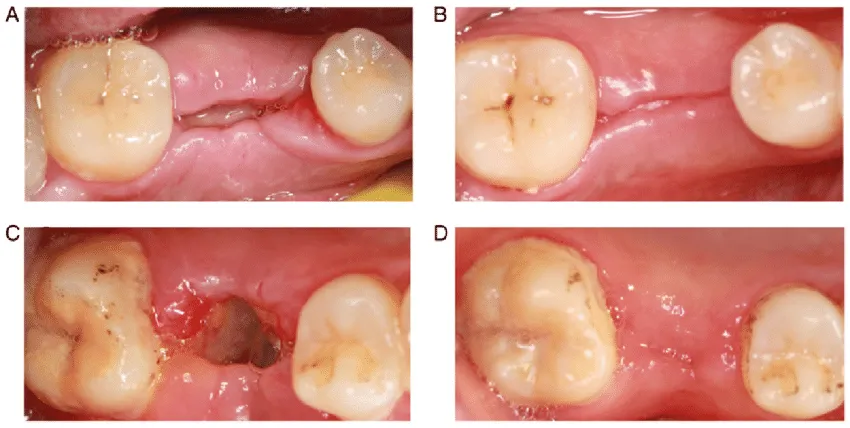
Extraction of wisdom teeth necessitates elaborate procedures, especially if the teeth are not correctly positioned, or surrounding bone structures must be altered or extracted. This addition of complexity can lead to a lengthened healing period. You may undergo the same initiatory phases of blood clot formation, lowering inflammation level, and gradual tissue growth but these stages may simply prolong completing them than in an uncomplicated extraction case.
Jaw swelling as well as cheek swelling are the common effects of wisdom tooth extraction surgery in the first 2-3 days. The application of ice packs in the first day or two can reduce edema and discomfort. At the same time, prescribed medications or over-the-counter pain relievers, alongside specific rinsing instructions, help you manage discomfort and prevent infection.
The removal of wisdom teeth may involve a sewing process whereby your dentist or oral surgeon may arrange for the surgical cut to be closed or the healing progress to be checked if the dissolvable stitches were used. The initial healing stage which lasts about 1-2 weeks may take some people longer before they feel normal again. After the initial few weeks, the body follows the healing process by continuing to repair beneath the skin. A complete restoration of the bone and gums in the area where extraction was performed may take several months even though you usually do not feel measurable pain after the first couple of weeks.
Conclusion
Gum healing is a procedure which is different from person to person. Age, health, and how complex the extraction surgery were, all influence the time period and how easily the gums heal. Notably, you can shorten this period and make a distinguishing difference by adhering strictly to the instructions of your dentist, beginning with thorough cleaning of the area up to the abstaining from certain habits that might disturb the healing clot, and everything in between. A soft diet on the first several days as well as a gentle return to more solid foods are also ways of avoiding tension on the extraction site.
First and foremost, proper sleep, hydration, & even any follow-up visits recommended by specialists are all part of a patient’s complete rehabilitation process. If you are witnessing long-term pains or bleeding, or there is a visible infection, contact your dental doctor without delay. The speedy solution may spare you any complications and consequently will keep your healing process going as planned. If you take a step forward and follow the best practices, the result will definitely be that your gums will recover well enough, which in turn, will enhance your confidence to smile and live healthily very soon.