
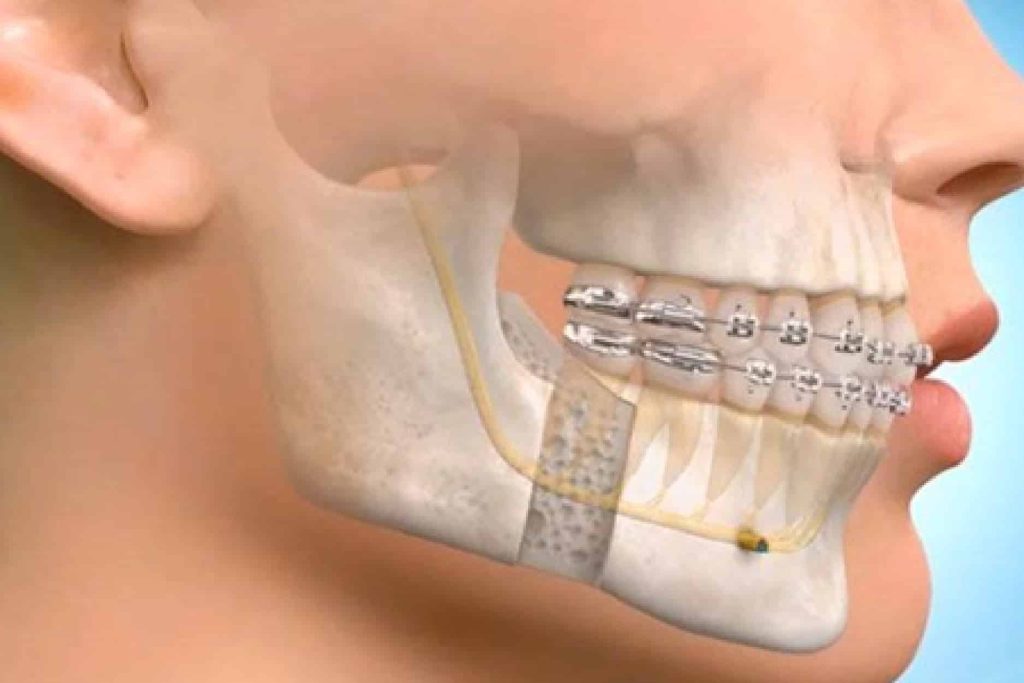
When dental issues necessitate more than basic cleanings and fillings, sophisticated treatments become imperative. Oral and maxillofacial surgery is a dental specialty that is concerned with the evaluation and management of intricate diseases of the mouth, jaws, and face. From wisdom teeth removal to reconstructive jaw surgery, this area encompasses a wide range of procedures that are critical for the restoration of function and aesthetics. Whether you are suffering from a facial injury or trying to fix an irregular jaw, you might be uncertain about where to begin. The first step is to learn about the several different types of oral and maxillofacial procedures, the extent of their application, and what your recuperating period is likely to be. For some urgent cases, you might need immediate professional assistance, and in this case, Dentistry in Surprise AZ could be your first point of contact.
What is Oral Surgery
Oral surgery is a specialized area of dentistry that is involved in the surgery of the mouth and surrounding structures. The extraction of wisdom teeth is a frequent procedure in oral surgery, which is often suggested in case the wisdom teeth become stuck or create a crowding situation. On the other hand, oral surgery is not limited to extractions only. It may involve cyst or tumor removal, infection treatment, as well as tasks surrounding placing dental implants.
The use of local anesthesia or sedation during oral surgery maximizes patient comfort. An oral surgeon who has undergone specialized training after general dentistry possesses the expertise required to perform such advanced procedures safely and effectively. Significant attention is given to not only current issues but also possible complications in the future. For example, if an impacted tooth was allowed to go untreated it could result in infections, misalignment, and possibly even much worse problems that could go beyond the oral part of the body.
Patients frequently express concerns regarding pain, swelling, and bleeding following oral surgery. Although these are common side effects, they generally resolve within a few days with appropriate care. Following the post-surgery instructions carefully like using ice packs, taking the medication which is prescribed, and adhering to dietary instructions helps to guarantee the smooth healing process. As you heal, keep in mind that each oral surgery is different, which is why you must follow closely the advice of the surgeon, which is given based on your needs.
What is Maxillofacial Surgery
The field of maxillofacial surgery specifically targets the jaw, bones of the face, as well as muscles and tendons, which are soft tissues. It is concerned with conditions that go outside the oral cavity and concentrates on facial structures and their alignment. The repair of facial trauma such as jaw fractures and facial fractures belongs to this category, as do jaw corrective surgeries that are designed to treat problems such as malocclusion or congenital facial malformations
A maxillofacial surgeon undergoes an extensive training program to manage complex facial reconstructions, which often involves both medical and dental training. The maxillofacial surgical process not only improves aesthetics but also the functionality of the jaw and surrounding structures. Chronic jaw pain patients might have to do corrective jaw surgery after which they should feel less pain and improve jaw functioning, so they might also breathe easier.
It is crucial to know that maxillofacial surgery is often more invasive than routine oral procedures. Hence, the recovery process may take longer and require a greater effort. Initially, the face might be swollen and numb, and talking and eating might be much harder than usual. Your surgeon may prescribe a strict regimen that consists of, among other things, a rest period, a soft or liquid diet, and gentle oral hygiene practices. The specialized care school of thought asserts that an unorganized way of taking care of the tissues could have a detrimental effect on healing in the future, causing complications such as the need for corrective surgery later on, to be possible.
What is Oral & Maxillofacial Surgery
Although “oral surgery” and “maxillofacial surgery” can sound similar, the term “oral & maxillofacial surgery” combines both areas into one comprehensive specialty. Practitioners in this field are adept at treating a wide array of issues from extracting impacted teeth to rebuilding facial structures damaged by trauma or disease. When a single professional is qualified to handle problems that lie in both the mouth and the face, it streamlines the treatment process. You benefit from a cohesive care plan because you’re not bouncing between different specialists.
Oral & maxillofacial surgeons are thus highly skilled in performing everything from routine procedures, such as tooth extractions and dental implant placements, to more involved treatments like facial reconstruction or cleft palate repairs. Their understanding of both hard (bones) and soft (muscles and tissues) structures allows them to offer comprehensive care under one umbrella. This dual expertise is essential when a dental or facial condition spans different regions of the facial anatomy.
In most cases of treatment, the provision of healthcare is provided by various healthcare providers like orthodontists, general dentists, and even plastic surgeons especially when the problems range from temporomandibular joint (TMJ) problems to complex craniofacial anomalies. Many benefits can be reaped, such as treatment time and minimization of potential adverse events. Finally, oral and maxillofacial surgery seeks to restore health, function, and aesthetic look together with a good patient’s quality of life quality.
What to Eat After Oral Surgery
A proper diet is undoubtedly one of the critical factors in a patient’s recovery after any oral intervention. At the beginning of the healing process, be sure to consume foods that are soft or liquid and will not disturb the stitches or sore areas. It’s preferable to consume smooth or liquid foods such as soups, smoothies, yogurt, applesauce, mashed potatoes, and scrambled eggs. They are some examples of the soft foods that are easy to swallow and have a gentle impact on the surgical sites.
Nutrition is essential, even if your mouth cannot handle hard or chunky meals. For instance, smoothies made from fruits and vegetables can provide the vitamins, minerals, and protein required for tissue repair. For starters, avoid hot, spicy, or overly acidic foods for a few days as they might be a source of irritation and recovery may be slower. Also, do not use straws, as the combined sucking and the newly formed blood clots can be disrupted, hence delaying healing.
Hydration is vital, but make sure to avoid carbonated drinks and alcohol because they can cause irritation to the healing site after surgery. Rinse your mouth gently if it hurts or if you have stitches using saltwater that is warm, this is to maintain cleanliness in the area of the surgery. This will help check the bacteria as well as make the healing process quicker. Gradually, you can begin to reintroduce solid foods into your diet, according to your comfort level and the guidance of your surgeon.
What to Eat After Maxillofacial Surgery
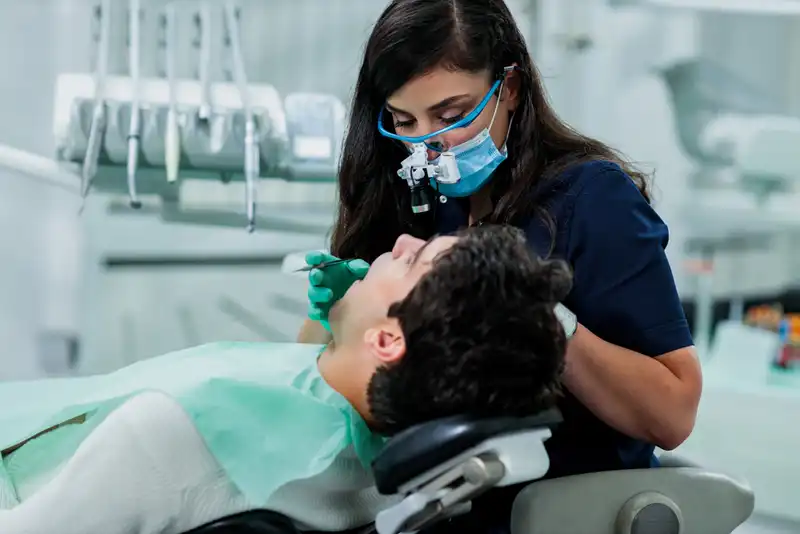
Maxillofacial surgery recovery often requires a more gradual dietary modification that involves serious attention compared to simple oral operations. Chewing can be hard, if not impossible, in the early stages of recovery due to the jaw restructuring or realignment that takes place in maxillofacial operations. As a result, your jaw could be immobilized or partially restricted in some cases, and in that case, a liquid or pureed diet would be essential longer than one would think.
Nevertheless, a balanced approach in the nutritional field is the way to go. Smooth, blended meals consisting of lean protein, vegetables, and healthy fats will supply the essential building blocks that your body needs for self-repair. If on the one hand you are experiencing weight loss or diet deficiency, protein shakes rich in extra calories can be a beneficial addition you can consider. Follow any specific instructions from your surgeon, with special attention to food hardness or texture, you can safely accept at any time.
Since the jaw region might be tender or swollen, you might also add foods rich in vitamins A and C to your diet, which facilitate tissue repair. Also, the inclusion of calcium and vitamin D is valuable as it enhances bone healing. Before we go on to make the changes one must consult with a healthcare professional, to make appropriate meal plans related to the surgery in question and one’s personal dietary needs.
Conclusion
Recovery from any oral or maxillofacial procedure is not only about physical healing; mental readiness and a social support network are necessary for it as well. Usage of pain relief medications, follow-up visits with the doctor to track progress, and adherence to the post-operative instructions are the key factors for a successful result. While these surgeries can be intimidating procedures they also provide a host of life-changing benefits from pain relief to improved oral function, facial symmetry, and self-esteem.
The fundamental distinction between oral and maxillofacial surgery is vital for making informed decisions about your dental health. Making an appointment with a reliable professional who is able to assist you in all phases of your treatment, such as precise examination, diagnosis, and eventual restoration, is of great value. Through the right way of assistance, such activities result in the attainment of prompt relief or the achievement of benefits that can be maintained over time. In this way, you will speak, chew, and smile without discomfort for a period of time.