
When people think of sleep-related problems, they often picture occasional snoring or insomnia. However, there is a much more serious disorder known as sleep apnea that can drastically affect one’s quality of life. You might not directly relate a sleep condition to a dental care professional, but so many healthcare providers including a Dentist Surprise AZ can be part of a wider medical team for helping in dealing with various aspects of sleep apnea care. It is important to realize that this condition can cause chronic exhaustion, high blood pressure, and heart issues, so it’s necessary to comprehend both what causes sleep apnea and how it can be treated.
Sleep apnea is marked by the obstruction of the airwave during sleep. Pauses in breathing may extend from a few seconds to more than a minute, possibly occurring from dozens to hundreds of times a night. Every interruption allows oxygen into the body to be minimized and therefore a disturbance of natural sleep patterns takes place. Consequently, excessive sleepiness during the day, headaches in the morning, and poor concentration are common complaints of sleep apnea patients. Notably, there are many people who are not diagnosed even if they have some of these problems because they usually do not know that they have stopped breathing in their sleep. In some cases, heavy snoring or choking sounds have been noticed by a partner or spouse leading them to explore further. By learning about the various types of sleep apnea and how they affect the body, you can determine whether or not you or someone you love may be in danger.
What is Sleep Apnea?
Sleep apnea is a sleep disorder in which a person stops breathing repeatedly during the night. The pauses in breathing are called “apnea”. During apnea, the body can wake up but even just enough time to start breathing normally again is very short. In fact, these interruptions in your sleep cycle can be so minor that you do not wake up or even remember them. Yet, the overall impact of these disorders can be severely negative resulting in poor quality of sleep, lesser energy, and serious health problems related to chronic exposure to these conditions in the long run.
Sleep apnea is a much more widespread condition than most people think, especially in the case of adults who are overweight or those with specific physical features like a recessed chin or larger tonsils. The likelihood of men developing this condition, especially older, is greater than that of women, although it can occur in all ages, genders, and body types. If you think you suffer from sleep apnea, you can confirm the diagnosis with a sleep test done in a specialized clinic or in the comfort of your own home. These studies focus on breathing, brain activity, heart rate, and oxygen levels, checking if they change throughout sleep.
What is Central Sleep Apnea?
Obstructive sleep apnea is not the only, but the most common type; central sleep apnea is another. Central sleep apnea is caused by the brain’s inability to send the appropriate signals to the muscles that control breathing. The issue lies in the communication between the brain and the body rather than a blockage in the airway. This causes periods in which there is no breathing effort.
Central sleep apnea often complicates medical conditions, such as heart failure or stroke, and can also be a side effect of some medications, particularly opioids. Individuals experiencing this type of apnea may have symptoms that are similar to those of obstructive sleep apnea, for example, excessive daytime drowsiness or interrupted sleep at night, but the causal relationship is neurological not anatomical. Treatment for central sleep apnea is often focused on those medical conditions that can trigger it, positive airway pressure machines, or adaptive servo-ventilation machines that can specifically help with the changing breathing patterns.
What is Obstructive Sleep Apnea ?
There is no doubt that obstructive sleep apnea (OSA) is a more common sleep disorder than insomnia. Obstructive sleep apnea (OSA) occurs when the airflow through the body gets blocked during sleep due to the soft tissues in the throat collapsing and blocking airways or the tongue falling back and blocking the airway. This airway blockage can happen multiple times through the night. Each time the airway is cut off, the levels of oxygen in the body fall until the body’s survival mechanism wakes the person up briefly, leading him/her to gasp or snore loudly while the airflow resumes.
Multiple factors enhance the probabilities of developing obstructive sleep apnea. Being overweight is the most significant risk factor, storing fatty tissues around the neck area can constrict the airway passages. Other risk factors entail the naturally skinny throat, bulky tonsils, the chronic nasal congestion, smoking, and sleeping on one’s back. The initial approach to treatment is about changing lifestyles, such as dietary modification or positional therapy, and there is also the option to use the Continuous Positive Airway Pressure (CPAP) machine or undergo oral appliances or surgery.
What is Sleep Apnea Caused By?
Sleep apnea can occur as a result of a mix of anatomical, neurological, and lifestyle factors depending on the type that occurs. Obstructive sleep apnea typically occurs due to conditions in the mouth or throat like a large tongue or tonsils or a small airway. Being overweight particularly around the neck can block the airway. Furthermore, lying on your back with your tongue or soft tissues blocking the throat can aggravate this problem. Also, genetics and family history play a substantial role.
Moreover, central sleep apnea is primarily related to the signaling systems in the body. The brainstem is the section of the brain that signals the brain to breathe. An injury to the brain stem or a disturbance in the message delivery could harm the ability of the respiratory system to receive these signals. Besides heart and kidney failures, a prvenu impairment of the normal sleep breathing patterns can also occur in some medical conditions such as rennet. Consequently, certain pain medications or sedatives can lead to central sleep apnea by inhibiting the respiratory drive of the brain.
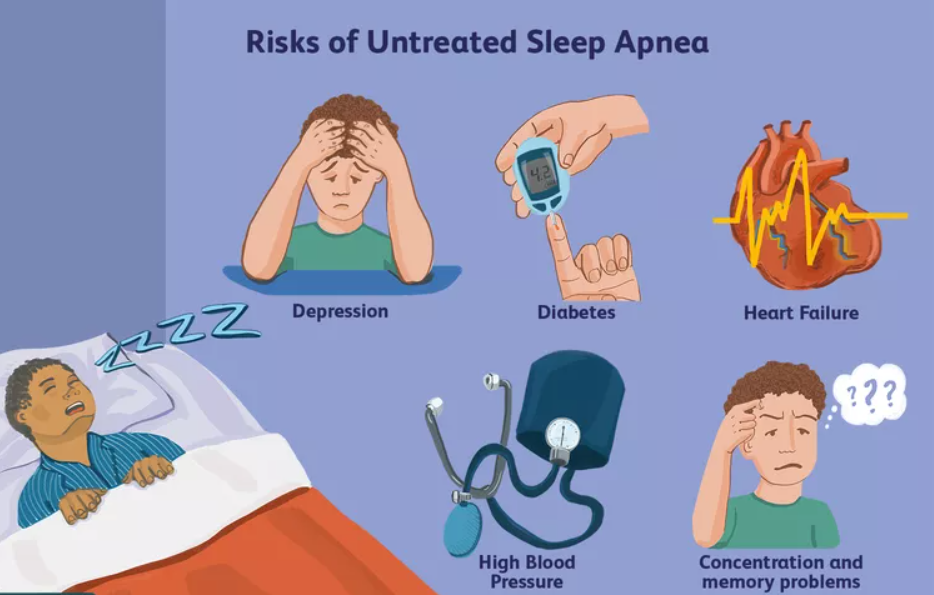
The effects of sleep apnea that has not been treated can be serious no matter the cause: tiredness, ire fluctuation, low efficiency and high chest pain danger. Sleep apnea patients may also bottle nutritional changes which could cause them to have problems with the control of blood sugar and blood pressure levels when time passes.
Treatment for Sleep Apnea
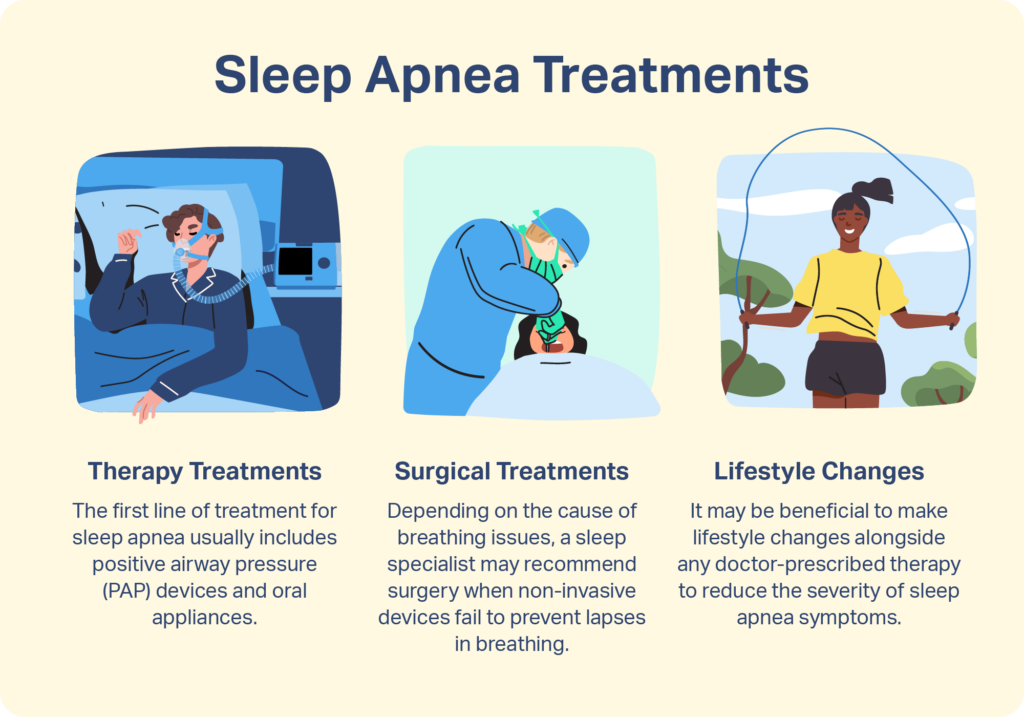
In treating sleep apnea, it is essential to treat both the causes and the symptoms of the disorder. Weight management and exercise, lifestyle modifications, can significantly ease the severity of obstructive sleep apnea. Also, since alcohol and tobacco use aggravate the inflammatory process and cause the relaxation of throat muscles that cause airway obstructions, the reduction or elimination of these substances should be a beneficial step. For instance, side-sleeping instead of lying on your back can help you keep the airways open.
One of the common treatment methods for moderate to severe obstructive sleep apnea is the Continuous Positive Airway Pressure (CPAP) machine. The machine is used with a mask covering the nose and mouth and provides a constant flow of air. The air pressure keeps the airways open, resulting in a significant reduction of breathing interruptions. Some have challenges of using a CPAP machine, but the effort is usually worthwhile because it can improve the quality of sleep and lessen the daytime fatigue.
For treatment of central sleep apnea, the treatment often involves primarily addressing the underlying medical conditions which may trigger the symptoms, or drugs may be changed that may be contributing to patterns of irregular breathing. For a device like Adaptive Servo-Ventilation (ASV), automatic adjustment of airflow pressure is possible to fix the breathing patterns in real-time. As a full means of treatment, medication alterations or supportive oxygen can also be implemented.
Conclusion
Regardless of the manifestations of sleep apnea, regular follow-up is key. Patients should monitor their symptoms, obtain consultations from professionals which may include cardiologists, neurologists, and ENT experts if necessary, and go through the required repeat sleep studies. This helps to make sure that the treatment stays effective and that the changes are applied as per the requirements.
If you think you have sleep apnea, don’t allow the symptoms to take a back seat. Symptoms such as persistent weariness, loud snoring, and disturbance at night could be your body’s way of signaling that something is just not right. Through a complete assessment, it is possible to find out the type of sleep apnea and the causes and therefore get the appropriate treatment that will ensure sound, restorative sleep. When you are actively seeking help, you are not only increasing your own energy for the day but also reducing the chances of having health problems in the future.