
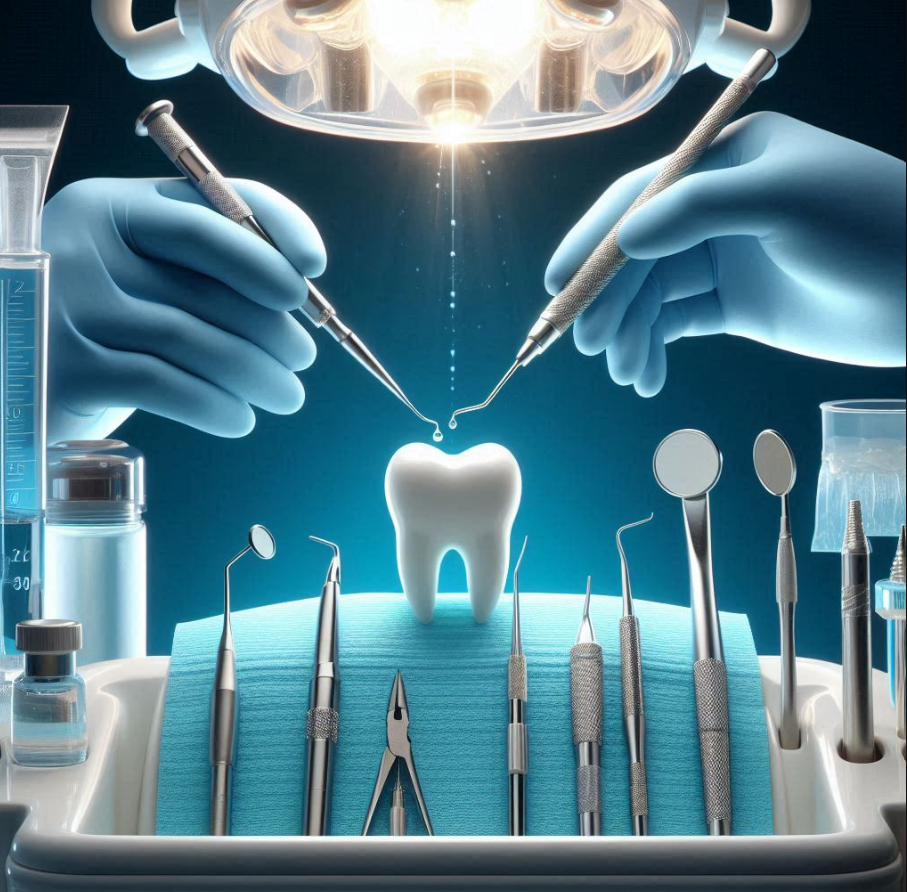
Sedation dentistry has revolutionized the way patients experience dental care. The thought of sitting in a dental chair, hearing the whirr of tools, and anticipating discomfort has long been a source of anxiety for many. However, advancements in sedation techniques have made it possible for individuals to undergo procedures with minimal stress and maximum comfort. Sedation dentistry is designed to ensure that patients not only remain calm but are also able to receive the care they need without fear or tension.
Whether it is for routine cleaning or extensive dental surgery, sedation dentistry plays a pivotal role in modern dental practice. With various levels of sedation available, dentists can tailor the sedation to meet the individual needs of each patient. This personalized approach enhances both the experience and the outcome of dental treatments, making it a cornerstone of compassionate dental care.
Nitrous Oxide Sedation (Laughing Gas)
Nitrous oxide, commonly known as laughing gas, is one of the most frequently used methods of sedation in dentistry. It is mild, fast-acting, and leaves patients feeling relaxed within moments of inhalation. The gas is mixed with oxygen and administered through a mask placed over the nose, allowing the patient to breathe it in and experience a soothing sensation.
Nitrous oxide sedation is ideal for patients with mild dental anxiety. Its effects are relatively mild, allowing patients to remain fully conscious but with a heightened sense of calm. One of the key advantages of laughing gas is its quick recovery time; the effects wear off almost immediately after the procedure is complete, allowing patients to resume their day without the need for extended recovery periods.
Dentists often recommend nitrous oxide sedation for simple procedures, such as fillings or cleanings, especially for patients who are anxious but still want to be aware of what’s happening. It is also a favored option for children, as it helps them remain calm during their dental visits without the need for more invasive methods. The versatility and safety of nitrous oxide make it an invaluable tool in alleviating anxiety in dental environments.
Oral Sedation
Oral sedation, as the name suggests, involves the administration of sedative medication in pill form. Taken prior to a procedure, this sedative induces a deeper level of relaxation than nitrous oxide. The effects of oral sedation are stronger, and patients may feel drowsy or even fall into a light sleep during the procedure.
This form of sedation is particularly beneficial for patients who experience moderate levels of anxiety or have a sensitive gag reflex that makes dental procedures uncomfortable. It is also useful for longer procedures where maintaining a state of calm for an extended period is necessary.
Oral sedation has a lasting effect, meaning patients may need some time to recover after the procedure. A significant benefit of this method is its convenience, patients take a pill prior to the appointment, allowing the medication to take effect by the time they sit in the dental chair. Dentists often suggest oral sedation for more intricate treatments, such as root canals or crown placements, where it is essential for the patient to remain relaxed but conscious throughout the procedure.
IV Sedation
Intravenous (IV) sedation offers a deeper level of sedation compared to both nitrous oxide and oral sedatives. Administered directly into the bloodstream through an IV line, this type of sedation allows the dentist to carefully control the level of sedation throughout the procedure, ensuring that the patient remains in a deeply relaxed state.
IV sedation is particularly suited for patients with severe dental fear or those undergoing more complex treatments that may involve significant discomfort or take a longer time to complete. Patients under IV sedation often have little to no memory of the procedure, which can be beneficial for those who are extremely nervous about dental work.
A major advantage of IV sedation is its immediate effect. Since the sedative is delivered directly into the bloodstream, patients feel the calming effects within moments. IV sedation is a versatile tool that can be adjusted during the procedure, providing dentists with control over the patient’s comfort level. It is often used in procedures like wisdom tooth extractions or dental implant placements, where deeper sedation is required for patient comfort and the smooth execution of the treatment.
General Anesthesia
General anesthesia represents the deepest level of sedation and is typically reserved for extensive dental procedures or patients who are unable to tolerate other forms of sedation. Unlike the other methods, general anesthesia renders the patient completely unconscious, making it suitable for oral surgeries that involve significant pain or complexity.
This form of sedation is most commonly used in cases such as major oral surgeries, extensive restorative work, or for patients with severe phobias who cannot cope with being awake during dental procedures. Under general anesthesia, patients are entirely unaware of the procedure and will not regain consciousness until the effects have worn off, ensuring a completely pain-free experience.
Given its intensity, general anesthesia is typically administered by a trained anesthesiologist in a hospital setting or a dental clinic equipped with the necessary monitoring systems. The safety protocols for general anesthesia are stringent, ensuring that the patient’s vital signs are continuously monitored throughout the procedure. This form of sedation is indispensable when dealing with complex dental surgeries that require the patient to remain immobile and pain-free for an extended period.
In conclusion, sedation dentistry offers a range of options tailored to individual patient needs, ensuring that even those with significant anxiety can undergo necessary dental treatments with minimal stress. Whether it’s the light relaxation provided by nitrous oxide or the deep unconsciousness of general anesthesia, each method has a specific role in making dental care accessible and comfortable for everyone. With the option to use techniques like IV sedation or oral sedatives, patients in Dentist Surprise locations and beyond can approach their dental appointments without fear.