
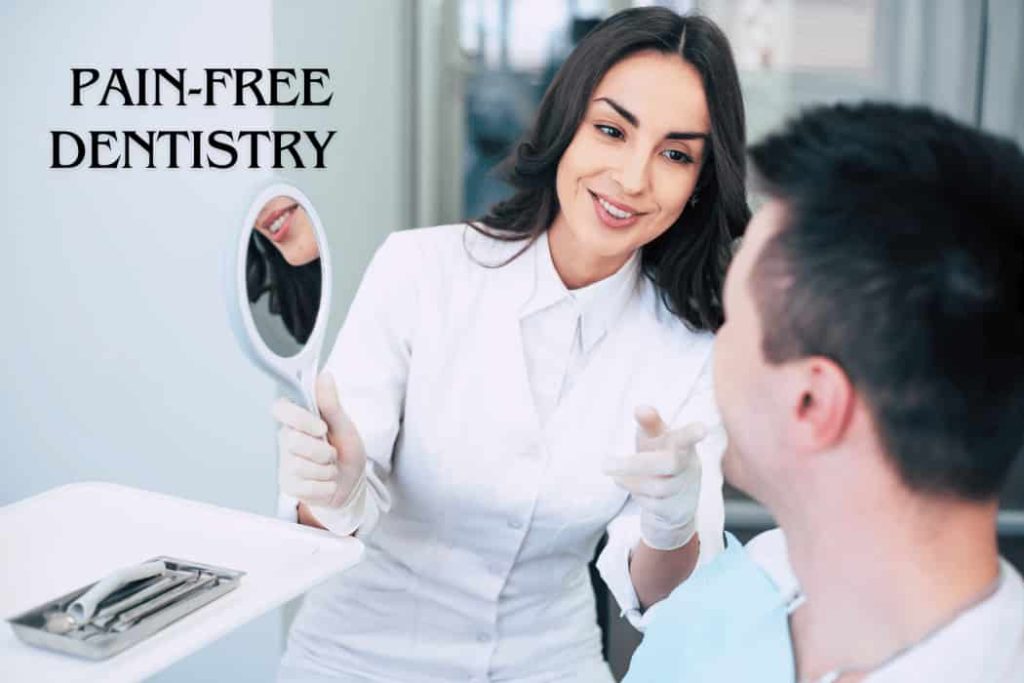
Dental anxiety is a common concern for many individuals, often stemming from the fear of pain during dental procedures. Thankfully, modern dentistry has made significant strides in developing pain-free techniques to ensure patient comfort. If you’re looking for a Surprise Dentist who utilizes the latest innovations in pain-free dentistry, you’re in the right place. This article explores various cutting-edge methods designed to make dental visits a more pleasant experience.
Understanding Pain-Free Dentistry
Pain-free dentistry, also known as sedation dentistry or comfort dentistry, encompasses a range of practices and technologies aimed at minimizing discomfort and anxiety during dental treatments. These advancements not only help alleviate fear but also encourage regular dental visits, which are crucial for maintaining oral health.
Innovative Techniques in Pain-Free Dentistry
Sedation Dentistry
Sedation dentistry involves the use of medication to help patients relax during dental procedures. There are different levels of sedation, including:
- Minimal Sedation: The patient remains awake but relaxed.
- Moderate Sedation: The patient may slur their words and not remember much of the procedure.
- Deep Sedation: The patient is on the edge of consciousness but can still be awakened.
- General Anesthesia: The patient is completely unconscious.
Sedation can be administered in several ways:
- Inhaled Minimal Sedation: Nitrous oxide (laughing gas) is inhaled through a mask. It wears off quickly, allowing patients to drive home after the procedure.
- Oral Sedation: Pills are taken about an hour before the procedure. The dosage varies from minimal to moderate sedation.
- IV Moderate Sedation: The sedative is administered through a vein, allowing the dentist to adjust the level of sedation.
- Deep Sedation and General Anesthesia: Medications are delivered to make the patient almost or completely unconscious.
Laser Dentistry
Laser dentistry is a minimally invasive option for various dental procedures, offering a more comfortable experience for patients. Lasers can be used for:
- Cavity Detection: Low-intensity lasers detect cavities at an early stage.
- Tooth Preparation and Filling: Lasers can remove decay and prepare the surrounding enamel for filling.
- Gum Disease Treatment: Lasers remove bacteria and infected tissue during periodontal treatments.
- Teeth Whitening: Lasers speed up the bleaching process during in-office whitening treatments.
Benefits of Laser Dentistry:
- Reduced need for anesthesia
- Minimized bleeding and swelling
- Faster healing times
- Reduced risk of bacterial infections
Air Abrasion
Air abrasion is a technique used to remove tooth decay and prepare teeth for restorations without the need for a drill. This method involves a stream of tiny particles that blast away decayed material. It is particularly useful for:
- Treating small cavities
- Preparing teeth for sealants or bonding
- Removing old composite restorations
Benefits of Air Abrasion:
- Less need for anesthesia
- No heat, sound, or pressure like traditional drills
- Preserves more healthy tooth structure
Computer-Assisted Anesthesia
Computer-assisted anesthesia delivery systems, such as The Wand, provide precise and controlled delivery of anesthesia, reducing discomfort. This technology uses a small, pen-like device to deliver anesthetic slowly and steadily, targeting specific areas.
Benefits of Computer-Assisted Anesthesia:
- Less pain and anxiety associated with injections
- Numbness is limited to the targeted area
- Faster recovery time
Topical Anesthetics and Numbing Gels
Topical anesthetics and numbing gels are applied to the gums or other soft tissues to numb the area before injections or minor procedures. These products are particularly useful for:
- Reducing pain from needle injections
- Alleviating discomfort during minor dental treatments
Benefits of Topical Anesthetics:
- Immediate pain relief
- Easy application
- No needles required
Advances in Patient Comfort and Care
Noise-Canceling Headphones and Entertainment
Many dental offices now offer noise-canceling headphones and personal entertainment systems to help distract patients and create a more relaxing environment. Watching a favorite TV show or listening to music can significantly reduce anxiety and make the dental experience more enjoyable.
Comfortable Office Environment
Creating a welcoming and comfortable office environment is another aspect of pain-free dentistry. This includes:
- Warm blankets and neck pillows
- Soothing decor and lighting
- Aromatherapy
Clear Communication and Patient Education
Clear communication between the dentist and the patient is essential for alleviating anxiety. Dentists should:
- Explain procedures in detail
- Answer any questions or concerns
- Provide information on what to expect during and after treatment
Post-operative care and Follow-Up
Proper post-operative care and follow-up are crucial for ensuring a pain-free recovery. Dentists should provide:
- Clear instructions for aftercare
- Pain management options
- Regular follow-up appointments to monitor healing
The Importance of Regular Dental Visits
Regular dental visits are essential for maintaining oral health and preventing issues before they become serious. Pain-free dentistry innovations make it easier for patients to prioritize their dental care without fear or anxiety.
Benefits of Regular Dental Visits:
- Early detection and treatment of dental issues
- Professional cleaning and maintenance
- Personalized advice on oral hygiene practices
Choosing the Right Dentist
Selecting a dentist who prioritizes pain-free dentistry is crucial for a positive dental experience. Look for a Surprise Dentist who:
- Offers a range of sedation options
- Utilizes advanced technologies like lasers and air abrasion
- Provides a comfortable and welcoming office environment
- Communicates clearly and effectively
Conclusion
Innovative approaches to pain-free dentistry have revolutionized the way dental care is delivered, making it more accessible and comfortable for patients. Techniques like sedation dentistry, laser treatments, air abrasion, and computer-assisted anesthesia have significantly reduced the fear and discomfort associated with dental visits. By choosing a Surprise Dentist who embraces these innovations, you can ensure a more pleasant and pain-free dental experience. Prioritize your oral health today and experience the benefits of modern, pain-free dentistry.